New Mars Forums
You are not logged in.
- Topics: Active | Unanswered
Announcement
#1601 Re: Single Stage To Orbit » SSTO Operating Costs » 2024-05-25 11:22:04


#1602 Re: Single Stage To Orbit » Vertical Launch Assist Technologies for SSTO » 2024-05-25 11:21:06
The shuttles SRB's were considered the 0.5 stage as they did not use the fuel in the external tank. https://en.wikipedia.org/wiki/Space_Shuttle
Stages 1.5[2]: 126, 140
https://www.nasa.gov/gallery/space-shut … -diagrams/
It dropped the ET due to lowering payload to orbit as a result of the dead mass and drag that it would create having it still attached.
Back to the topic in that we would not want to see a runway used for takeoff as it would need to be very long to achieve speed required to make lift plausible for a large craft.
#1603 Re: Meta New Mars » Housekeeping » 2024-05-25 10:46:29
The last attempt I made was creating an engineering category with the project folder with its forum, but I set all of the abilities to only the admin member teir to stop the others from making a post within anything that would be present.
It remains invisible to those that are not logged in.
In the past Josh cryer had set up a mars direct forum and it was set up that required login for the custom topic area. It was hidden from the view of others except the members that were allowed to post with in it after a secondary log into the folder and topic.
#1604 Re: Interplanetary transportation » LEO LMO Circuit - Dedicated topic for orbit to orbit transportation » 2024-05-25 10:40:29
Since the earths radiation belts are hazardous to man, we must make use of a stage to push man away from earth as spiraling out with slow ion propulsion is risky to man's health.
This is an Earth departure stage.
Once on the coasting to transfer to mars we will again need a breaking method to enter a LMO as well. Where we are trying to not use fuel to do rocket breaking but will make use of a heatshield and air braking through cutting into mars atmosphere.
#1605 Re: Single Stage To Orbit » SSTO to mars and back again. » 2024-05-25 10:33:58
Pulsed plasma rocket (PPR): Shielded, fast transits for humans to Mars
The future of a space-faring civilization will depend on the ability to move both cargo and humans efficiently and rapidly. Due to the extremely large distances that are involved in space travel, the spacecraft must reach high velocities for reasonable mission transit times. Thus, a propulsion system that produces a high thrust with a high specific impulse is essential. However, no such technologies are currently available.
Howe Industries is currently developing a propulsion system that may generate up to 100,000 N of thrust with a specific impulse (Isp) of 5,000 seconds. The Pulsed Plasma Rocket (PPR) is originally derived from the Pulsed Fission Fusion concept, but is smaller, simpler, and more affordable.
The exceptional performance of the PPR, combining high Isp and high thrust, holds the potential to revolutionize space exploration. The system's high efficiency allows for manned missions to Mars to be completed within a mere two months.
Alternatively, the PPR enables the transport of much heavier spacecraft that are equipped with shielding against Galactic Cosmic Rays, thereby reducing crew exposure to negligible levels. The system can also be used for other far range missions, such as those to the Asteroid Belt or even to the 550 AU location, where the sun's gravitational lens focuses can be considered. The PPR enables a whole new era in space exploration.
The NIAC Phase I study focused on a large, heavily shielded ship to transport humans and cargo to Mars for the development of a Martian base. The main topics included: assessing the neutronics of the system, designing the spacecraft, power system, and necessary subsystems, analyzing the magnetic nozzle capabilities, and determining trajectories and benefits of the PPR. Phase II will build upon these assessments and further the PPR concept.
In Phase II, we plan to:Optimize the engine design for reduced mass and higher Isp
Perform proof-of-concept experiments of major components
Complete a ship design for shielded human missions to Mars
#1606 Re: Business Proposals » Starting a new Company » 2024-05-22 17:15:53
For RobertDyck re Starting a New Company...
The purpose of this post is to encourage you to continue developing business concepts.
I'd like to see you succeed with at least one of them. I have several failures under my belt, and figure I have several more before success arrives, if it ever does.
Starting a new business is not for the faint of heart, and having the ability to take critical evaluation is vital.
There are two basic elements needed (and there may be more but I'm going to concentrate on two) ....
You need a product and you need a market.
You have demonstrated the ability make a variety of beverages and other food relates items. This appears (to me at least) to be a strength that might be tapped.
The market for beverages and foods is reasonably well established. It ** is ** competitive, without a doubt, but small local brands can grow.
This Universe seems to offer plenty of opportunity.
You have a potential product in Large Ship, and it is understandably on pause because the immensity of the challenge has become apparent.
A less ambitious goal might have a better chance of near term success.
This post is intended to encourage you to continue running ideas up the flagpole, and your ability to take criticism with good grace will be tested.
(th)
I am also going to say that you need to know what that market its willing to pay for a similar or comparable item and have a good idea of the profit margin that it might yield. You must also know how to get the item to the buying market for the least amount of cost as well.
#1607 Re: Human missions » Boeing Starliner OFT-2 » 2024-05-22 17:12:08
Boeing seems to know how to make a screen...
#1608 Re: Business Proposals » Starting a new Company » 2024-05-22 17:11:11
current solar works with layers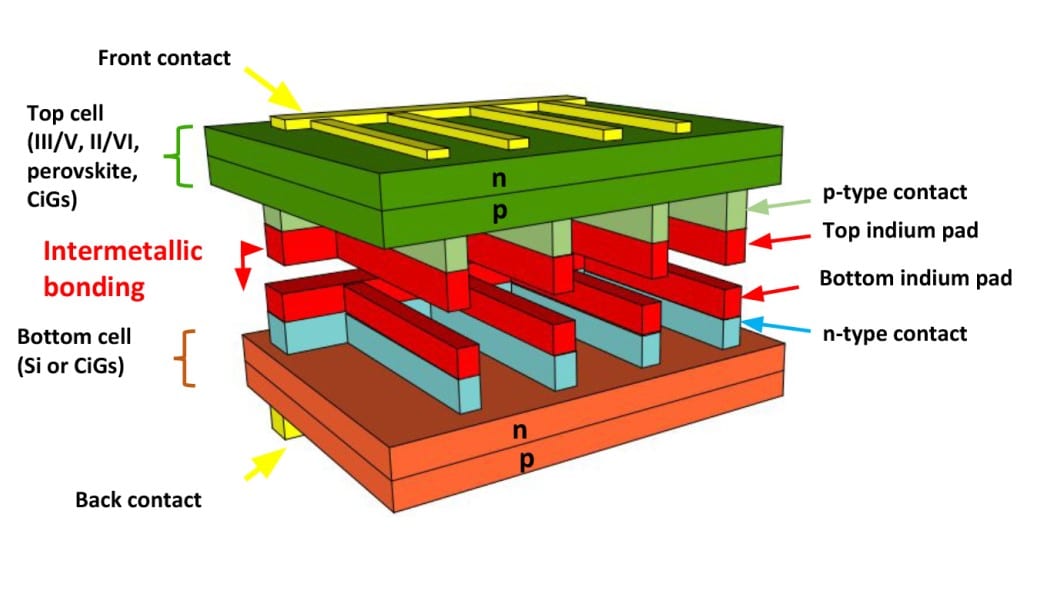
with multi-layer looking more like this
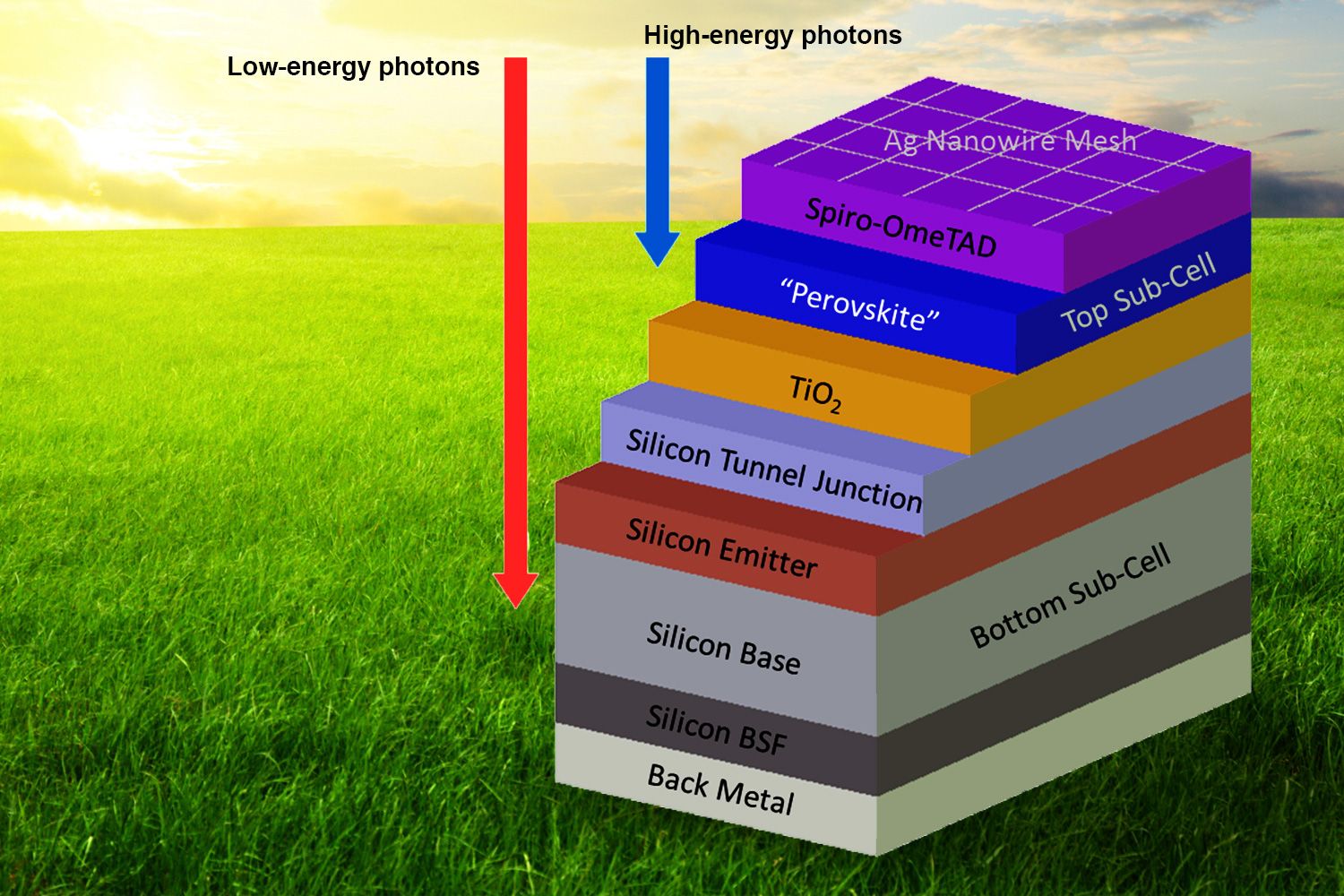
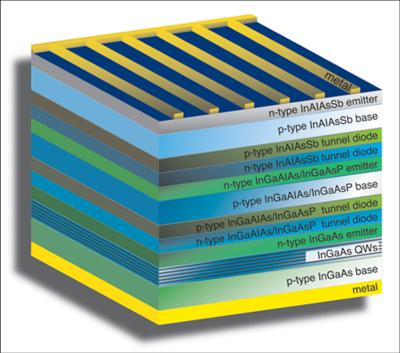
tuned multi-layer to gather more wave lengths
#1609 Re: Human missions » Starship is Go... » 2024-05-22 17:05:49
I agree so long as the engine problem exists over water, but it may not always once it attempts to land it for recovery.
#1610 Re: Single Stage To Orbit » Vertical Launch Assist Technologies for SSTO » 2024-05-22 17:02:11
It was considered a 1.5 stage since the boost was required to get motion started under hard acceleration that 3 shuttle engines could not perform no matter how much fuel it had. The requirement needed way more engines to perform this task.
Shuttle also dropped its tank as it was dead mass once empty.
#1611 Re: Terraformation » Mega Igloo ice cavity in Korolev Crater » 2024-05-21 18:10:30
Thanks, PhotonBytes for the participants charts but I have other resources to bring to the plate.
One must remember that the ballon is coming from Earth so it's going to be deflated and brought to the surface to bring into being.
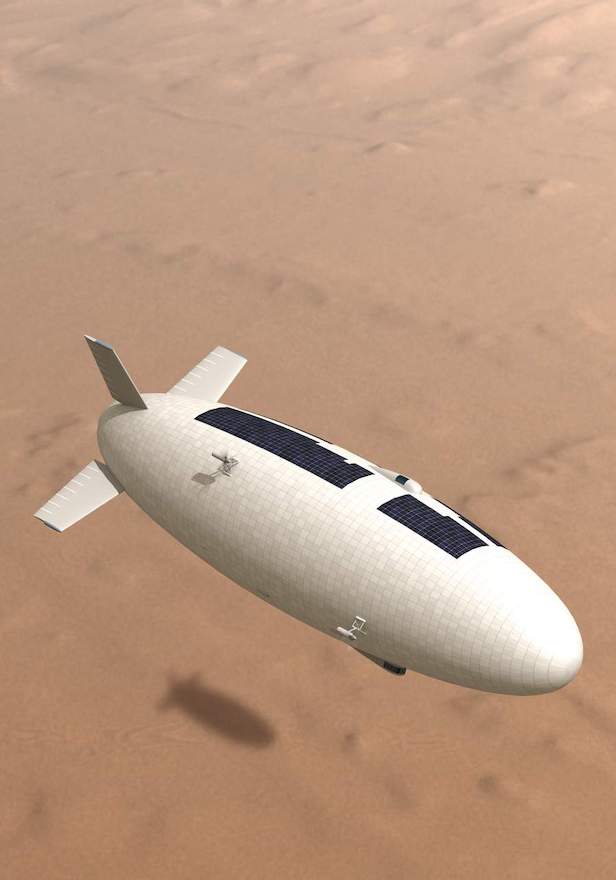
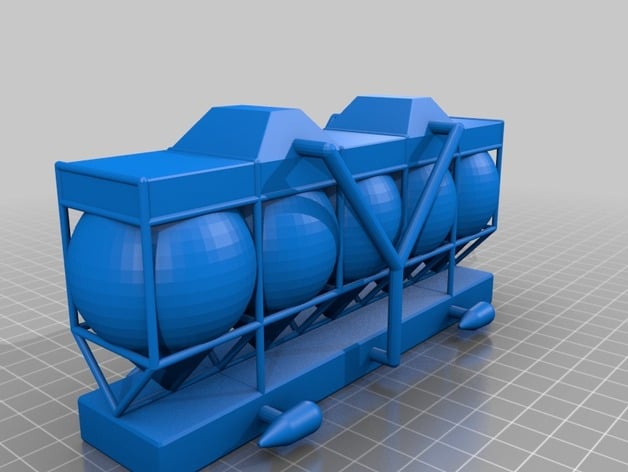
something like this ve3nus transport.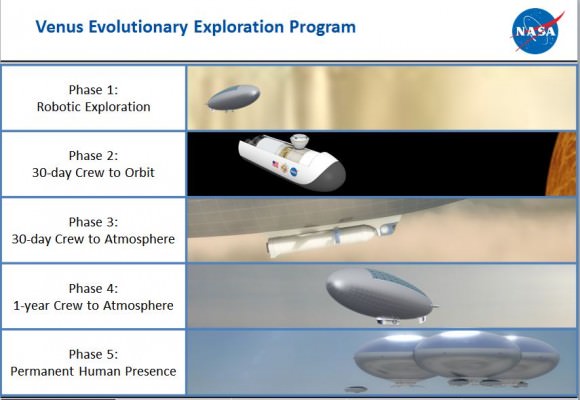
No need to be higher than what a parachute can inflate at for the EDL approach for how high the balloon needs to be at for most of the planet. Dust storms will also mean that there is a need for a covering that can take the sand blasting that it will receive.
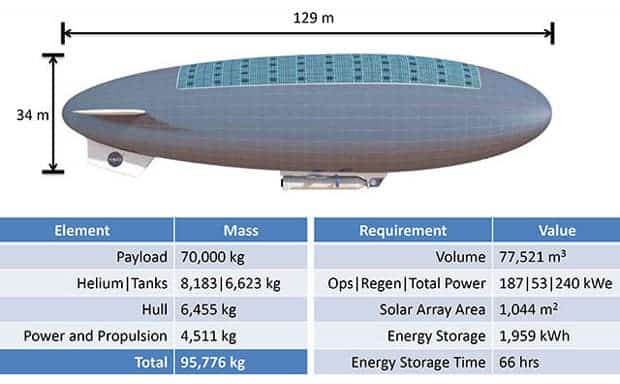
Of course, on earth we heat the air to provide lift and vent it as well as drop sandbags to bring it stability. One might be able to use bags of dry ice and heat to add or vent it much in the same manner.
Hot Air Lifting Force
The lifting force from a hot air balloon depends on the density difference between balloon air and surrounding air, and the balloon volume. The lifting force can be calculated as
https://www.engineeringtoolbox.com/hot- … d_562.html
Fl = V (ρc - ρh) ag
where
Fl = lifting force (N, lbf)
V = balloon volume (m3, ft3)
ρc = density cold surrounding air (kg/m3, slugs/ft3)
ρh = density hot balloon air (kg/m3, slugs/ft3)
ag = acceleration of gravity (9.81 m/s2, 32.174 ft/s2)
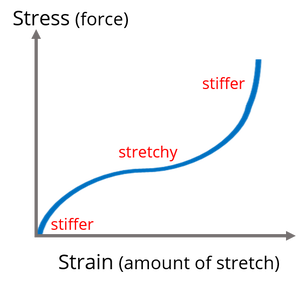
another balloon type Vacuum balloons
https://en.wikipedia.org/wiki/Superpressure_balloon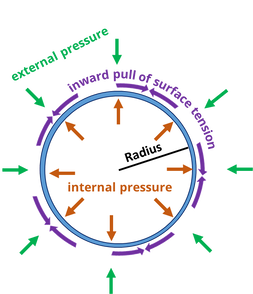
#1612 Re: Science, Technology, and Astronomy » Balloon (balloons) on Mars - Facts vs Fantastic vision » 2024-05-21 17:30:41
Rounding errors as the H atom measures 1.0008 and it requires 2 such that each molecule is H2 plus you then have a ration of isotopes that are also present. Same thing happens with all measurements as we see for the most part that they are close enough.
update:
Also notice the volume is different as well.
#1613 Re: Meta New Mars » Housekeeping » 2024-05-20 18:55:00
Condescending much...
The demonstrated ability to make a project category on the clone but if KBD512 or RobertDyck wants to do so that can be done as well good luck.
#1614 Re: Meta New Mars » Housekeeping » 2024-05-20 17:20:53
The phpbb3 education section looks really good but how many topics might expect to see under each section. What type of topics would be desired?
#1615 Re: Terraformation » Mega Igloo ice cavity in Korolev Crater » 2024-05-20 16:51:41
Since we have high air balloons on Earth then the ability of Mars lift effectiveness of balloon is more than 100 times less on mars.

A mars balloon might appear like this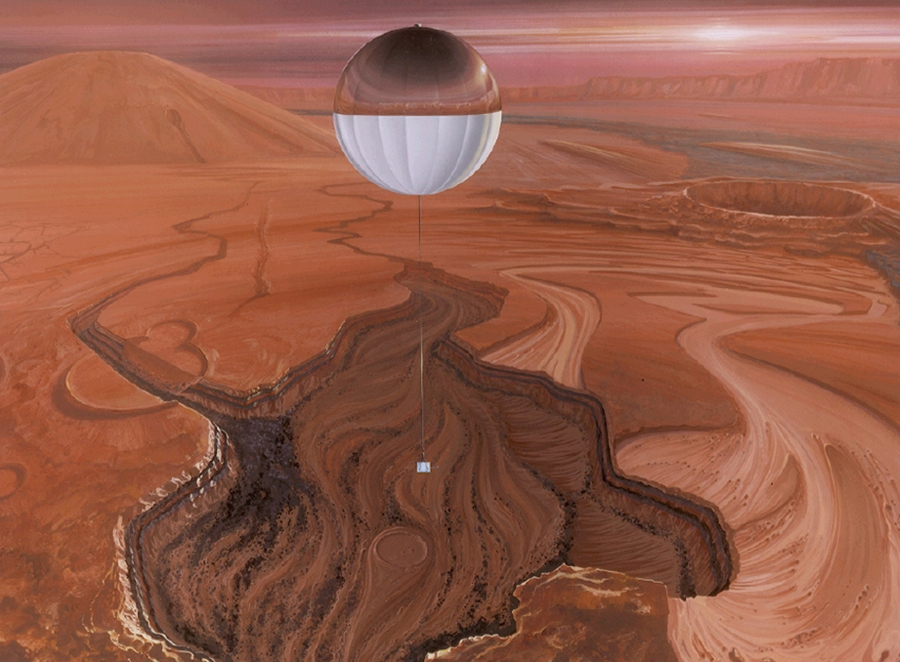
#1616 Re: Science, Technology, and Astronomy » Balloon (balloons) on Mars - Facts vs Fantastic vision » 2024-05-20 16:51:18
Since we have high air balloons on Earth then the ability of Mars lift effectiveness of balloon is more than 100 times less on mars.
A mars balloon might appear like this
#1617 Re: Science, Technology, and Astronomy » Balloon (balloons) on Mars - Facts vs Fantastic vision » 2024-05-20 16:32:46
For GW Johnson re reconciliation of two different computations....
Here is a sequence that I found for computation of a volume: =4*$K$5*B11^3/3
Here is another sequence prepared by ChatGPT4o for a Python computation:
5. Volume of a Sphere
The volume of a sphere is calculated using the formula:
Sphere Volume Formula: [ V_s = \frac{4}{3} \pi r^3 ]
V_s: Volume of the sphere (m³)
r: Radius of the sphere (m)
π (pi): Constant value (approximately 3.14)
We now know the volume (V) from the ideal gas law (approximately 3.72 m³). We can use this value to find the radius (r) of the sphere.
Finding the Radius: Set the volume obtained from the ideal gas law equal to the volume of the sphere and solve for the radius: [ V = V_s ] [ 3.72 , \text{m}^3 = \frac{4}{3} \pi r^3 ]Isolate r by dividing both sides by (4/3)π and then taking the cube root: [ r^3 = \frac{3.72 , \text{m}^3} {\frac{4}{3} \pi} ] [ r = \sqrt[3]{ \frac{3.72 , \text{m}^3} {\frac{4}{3} \pi}} \approx 1.53 , \text{m} ]
6. Conclusion
The volume of a sphere required to hold 1 mole of hydrogen gas at the mean surface pressure (610 Pa) and temperature (0°C) on Mars is approximately 3.72 cubic meters. The corresponding radius of the sphere is approximately 1.53 meters.What I'm hoping is that my spreadsheet attempt will deliver the same result as the Python attempt.
For a balloon of diameter 1.53*2 (3.06) meters, the volume should be 3.72 cubic meters.
I'd be interested in seeing results that our members might contribute, using a hand calculator or even pencil and paper.
(th)
#1618 Re: Science, Technology, and Astronomy » Balloon (balloons) on Mars - Facts vs Fantastic vision » 2024-05-20 14:08:46
Good question China weather balloon or spy craft but we are not mars for what PhotonBytes is looking to do.
Balloon Tourist Flights on Earth by tahanson43206
Balloon or dirigible for Mars "hot air" or gas filled by tahanson43206
Automotive industry, Martian Balloons, automobile manufacture on Mars. by Mars_B4_Moon
Balloon Landing System for Mars: Phobos Station by tahanson43206
I know that we have others.
topic that wants to land Mega Igloo ice cavity in Korolev Crater by PhotonBytes
#1619 Re: Home improvements » Solar power address indicator » 2024-05-20 13:47:33
I am surprised that I could not at the time go forward with building these.
#1620 Home improvements » Solar power address indicator » 2024-05-20 13:44:59
- SpaceNut
- Replies: 1
This was one of my own projects way back when I was unemployed.
Here is the content of where I was way back when
Subject: LED Home and Mailbox address number
Date: Saturday, December 23, 2006 10:00 PMThe design is based on the directional mirror stick on led arrows.
The arrow is made up of low intensity SMT leds under a red bazel lense.
I think that making the numbers or letters in a simular manner can lead to a product that can be solar powered for night time identification.
The letters or numbers are individually made so that you can purchase just what you need to make up the address that you need.
The controller battery solar unit allows for multiple numbers or letters to be connected to it.
Typical mailbox or home address is usually 1 to 4 digits in length. With a mailbox choice may be to display them on both sides to allow from either direction to allow for viewing.
My origin version thought of when designing glow stick was to light a piece of lexan from the edges and to place numbers as a blocking of the light onto the surface of the glass. But this style is available at wal Mart for roughly 25 dollars.
Here is an article that reminded me of the possibilities...
How to Make Solar-Powered House Numbers Story by Joe Cruz
Project notes:
Time:A half day
Complexity:Intermediate
Cost:$20-50
Cut Sides and Back
Cut two sides at 3-3/4- x 25-1/2-inches.
Cut one back at 3-7/8- x 25-1/2-inches.
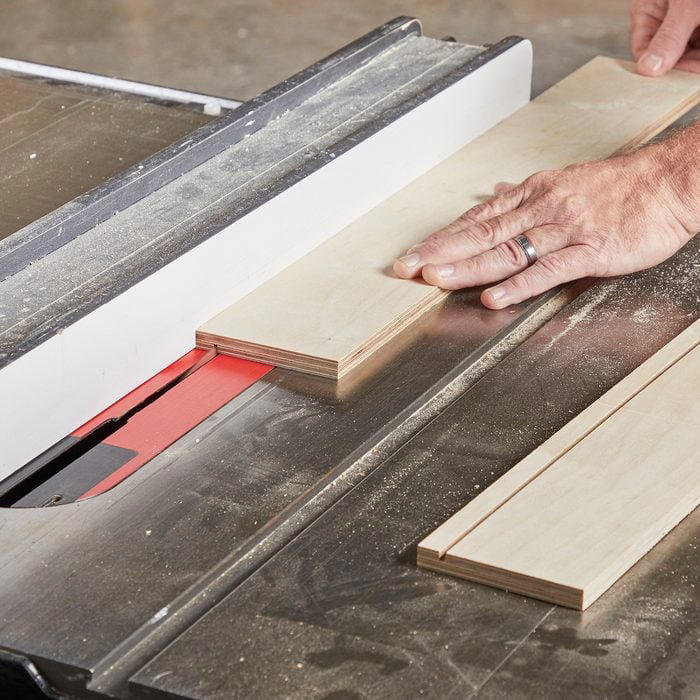
Make a 1/8-inch wide x 1/4-inch deep groove 1/2-inch from the edge on both sides. (See photo.)
Cut Blocks and Fronts
Cut two bottom blocks at 2-3/4- x 3-7/8-inches.
Cut two glass stop blocks at 2-5/8- x 3-7/8-inches.
Cut two fronts at 1-1/2- x 3-7/8-inches.Assemble Bottom Blocks
Secure the two bottom blocks together using wood glue and 3/4-inch nails, keeping them flush on four sides.
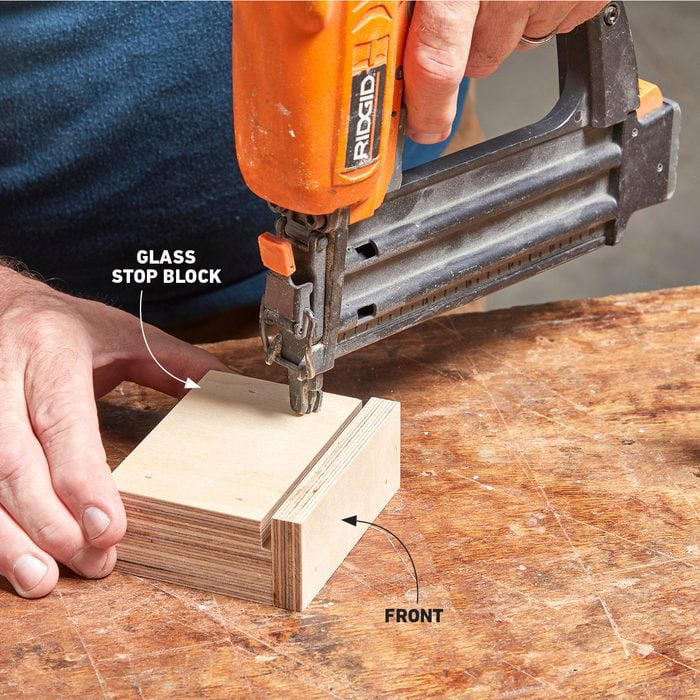
Next, attach one of two glass stop blocks to the bottom blocks, keeping it flush on three sides using wood glue and 3/4-inch nails.
Attach a front to the bottom blocks leaving a 1/8-inch the gap between the front and the glass stop. (See photo.)
Attach the Sides
Draw a line on the inside of both of the sides, one inch from the top.
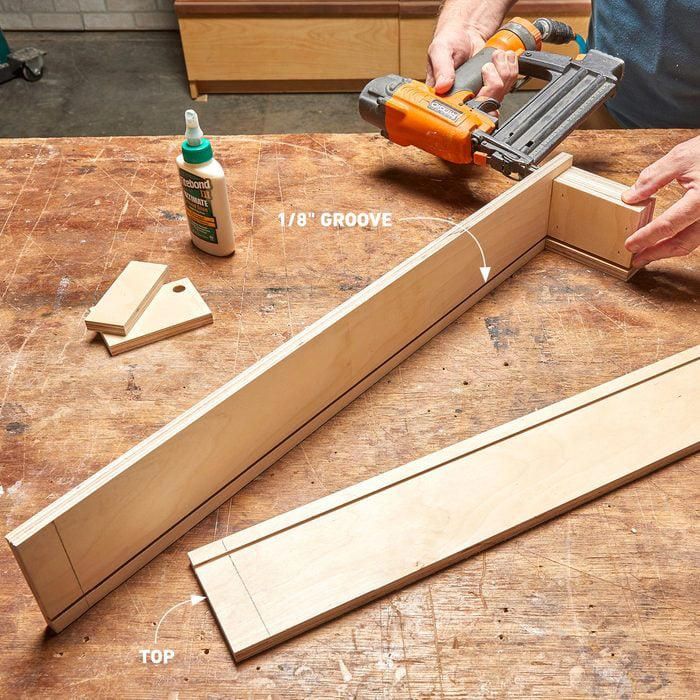
Apply wood glue to the left side of the bottom block assembly and position it with the front-facing down.
Attach the left side to the bottom block assembly using wood glue and 1-1/4-inch nails. Be sure the left side is flush at the front and bottom of the bottom blocks, and the 1/8-inch slots on each piece align.
Attach the right side in the same manner.
Attach Glass Stop
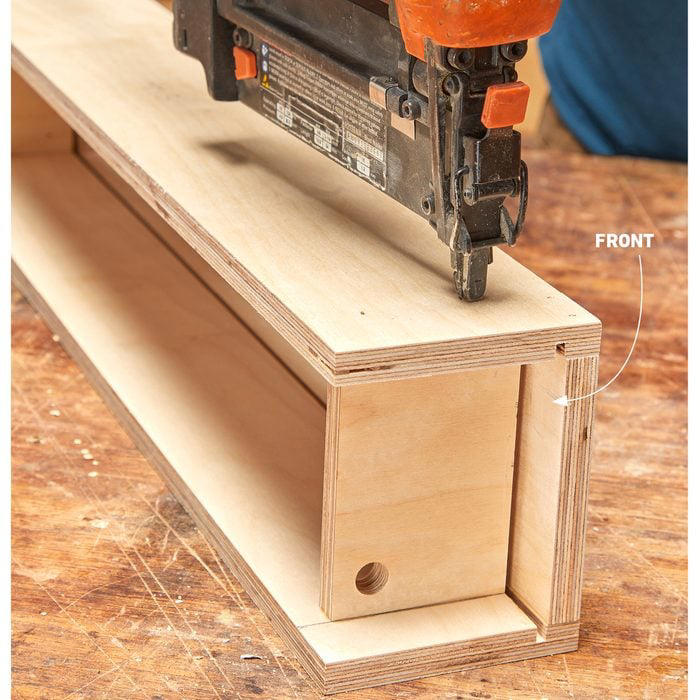
Attach the second glass stop block to each of the sides, just below the one-inch line, and behind the 1/8-inch slot using wood glue and 1-1/4-inch nails.
Attach a front to both sides leaving a 1/8-inch gap between the inside of the front and the glass stop block. The front should be flush with the front edge of both sides. (See photo.)
Fullscreen button
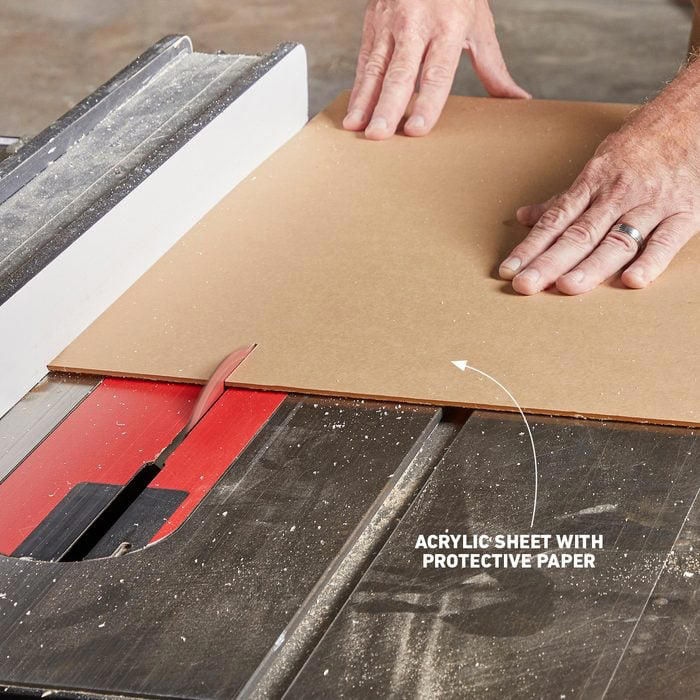
Cut Acrylic Sheet
Cut a piece of 1/8-in. acrylic sheet at 4-5/16- x 23-1/2-inches.
Slide the acrylic sheet into the 1/8-inch slot at the top of the box. The sheet should slide all the way to the bottom blocks.
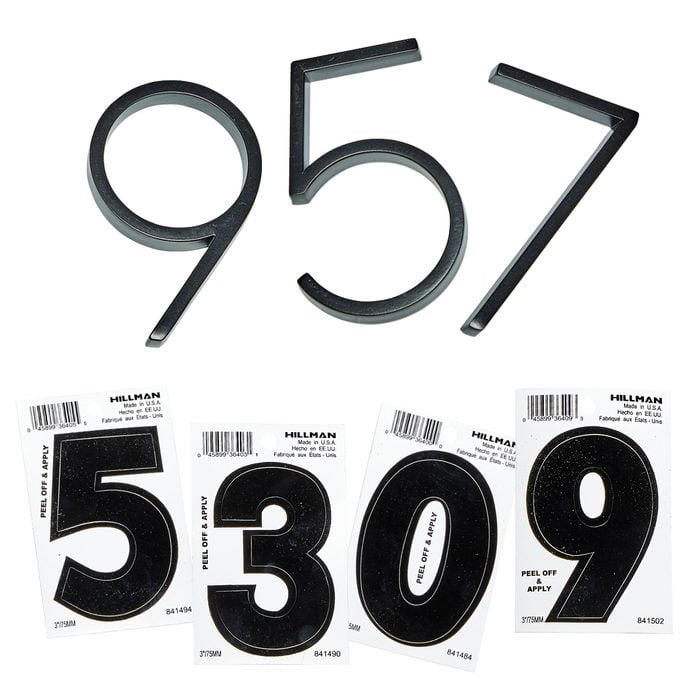
Numbers
You can choose to affix peel and stick decals or flush mount numbers to the acrylic sheet. You can also paint numbers freehand on the acrylic sheet, or spray paint using stencils.
For flush mount numbers, position the numbers in the center of the acrylic sheet so there are equal gaps between each number and from each side. (Some numbers come with templates.)
Mark all the holes for the numbers and drill 3/16-inch holes at each mark.
Slide the acrylic sheet out of the box and set it off to the side.
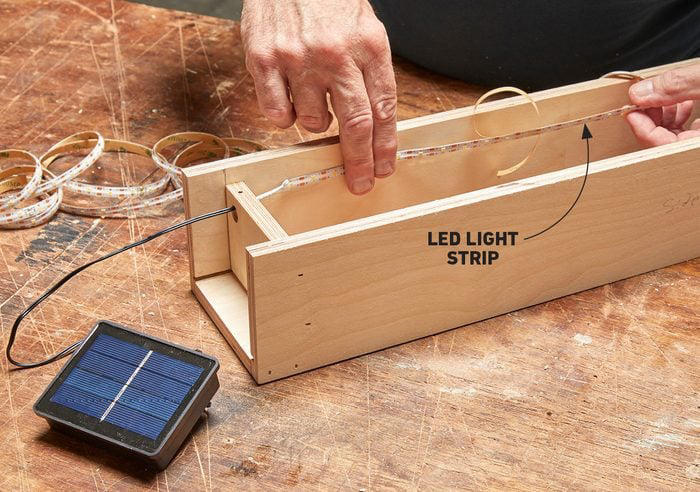
Install LED Light Strips
Drill a 1/2-inch hole in the upper glass stop block.
Feed the solar LED strip lights into the 1/2-inch hole until all the lights and the lead wire from the solar panel are on the inside of the box.
Peel back a few inches of the protective tape from the back of the LED strip. Stick the strips of LED lights to the inside of the box starting at the top, working your way around to one side, then the bottom, and finally up the other side. Peel the protective tape as you go.
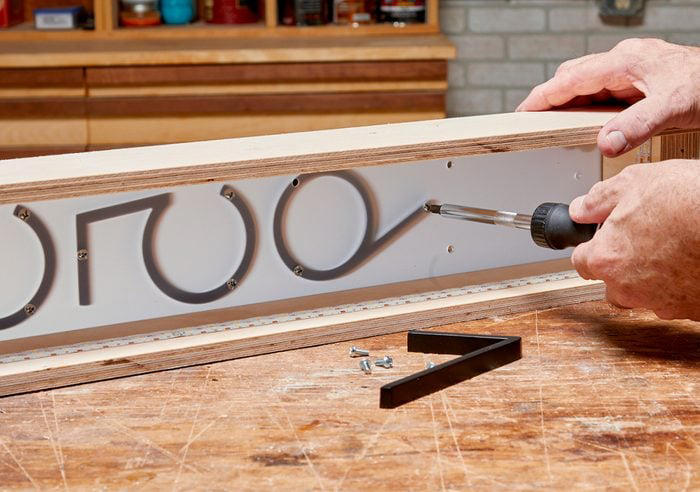
Install the Numbers
Peel the protective paper from both sides of the acrylic sheet and slide the acrylic sheet into the box.
Proceed to attach your numbers to the acrylic sheet. (If you are attaching raised numbers with screws, do not over tighten the screws — you may crack the acrylic sheet.)
Install the Back
Position the box so the front is facing down on the table. Slide the back between the two sides, keeping it flush with the top and bottom of the sides. (If the back is too tight, trim a little bit off one side.)Drill two 3/16-inch holes through the back into the bottom blocks. Drill two more 3/16-inch holes through the back into the glass stop block 1-1/4-inch in from the edge of both sides. Drill two 3/16-inch holes through the middle of each side into the back, 1/4-inch from the back edge.
Secure the back to the box by driving 1-1/4-inch screws into your six pre-drilled holes.
Fit the Solar Panel
Since each solar panel is a little different, you may have to custom fit yours into the box. You could add spacers to the inside of the solar panel compartment or perhaps notch out the back, depending on the size of your solar panel.
If you use these solar LED strip lights, cut two 1/4-inch spacers at 1-inch x 2-5/8 inches. Be sure the solar panel fits snug before gluing the two spacers to each of the sides in the solar panel compartment.
Loop any excess wire and store it under the solar panel. (Zip ties come in handy for wire management.)
Be sure to press the ON button before fitting the solar panel into the box.
Finishing Touches
Finish off the box by filling all the holes with plastic wood filler. Sand all the surfaces with 150-grit sandpaper. Seal the box with spar urethane or paint it to match your exterior trim's paint.Center the pipe flange on the bottom blocks and attach it with four 1-1/4-inch screws. Thread the pipe into the flange and tighten.
Box Placement
Place your new solar-powered house number box in an area of your front yard landscaping where it can get at least four hours of direct sunlight.
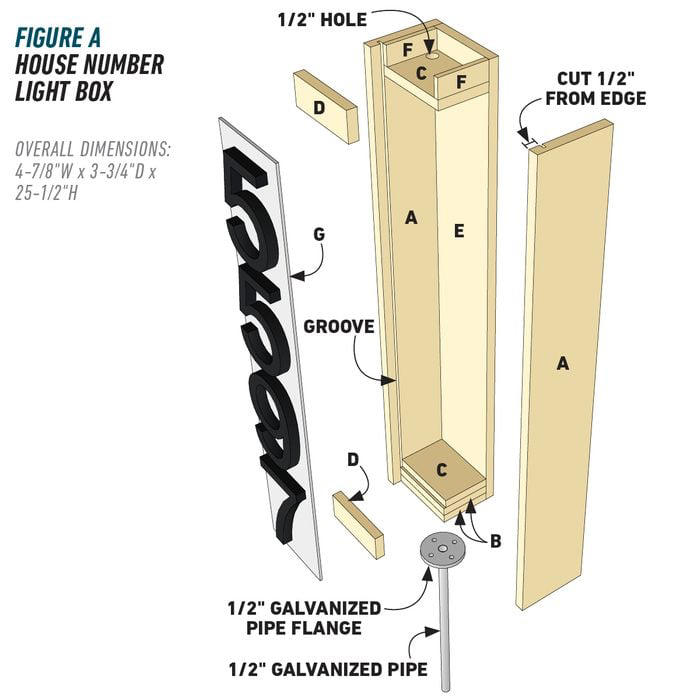
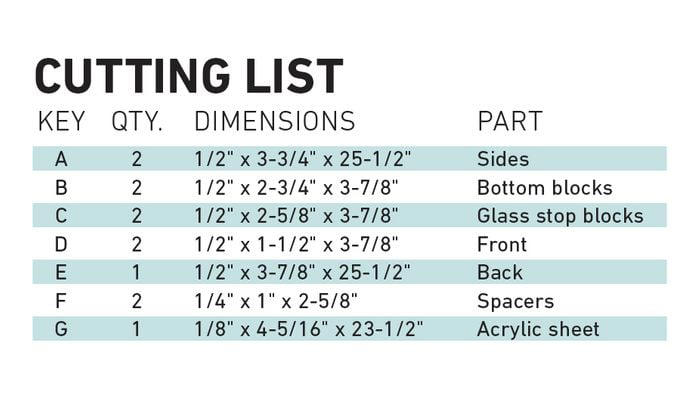
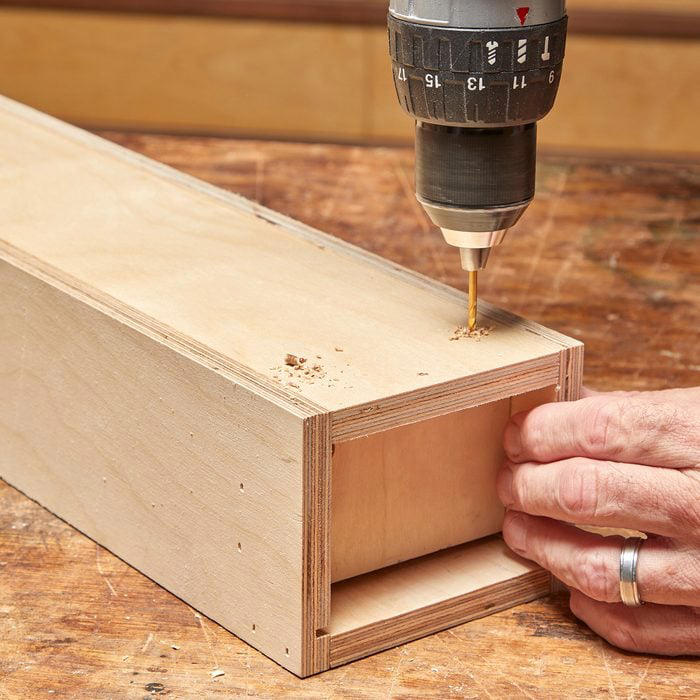
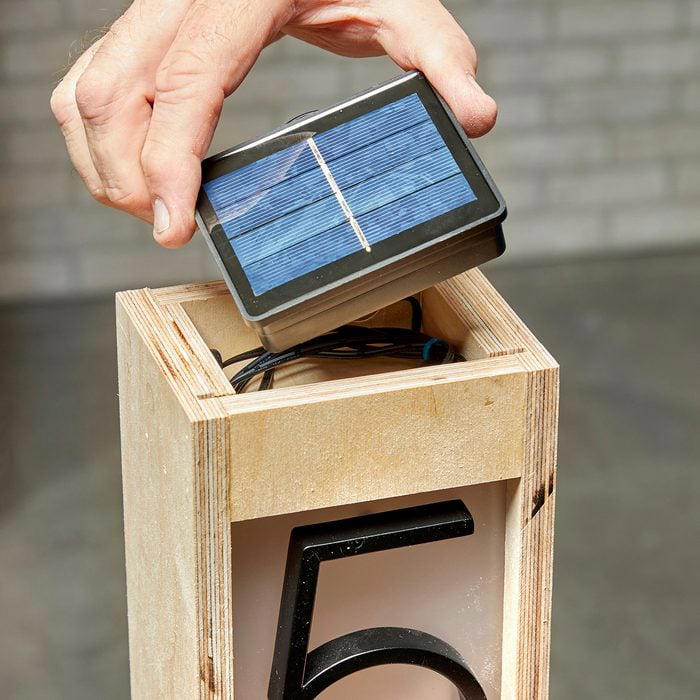
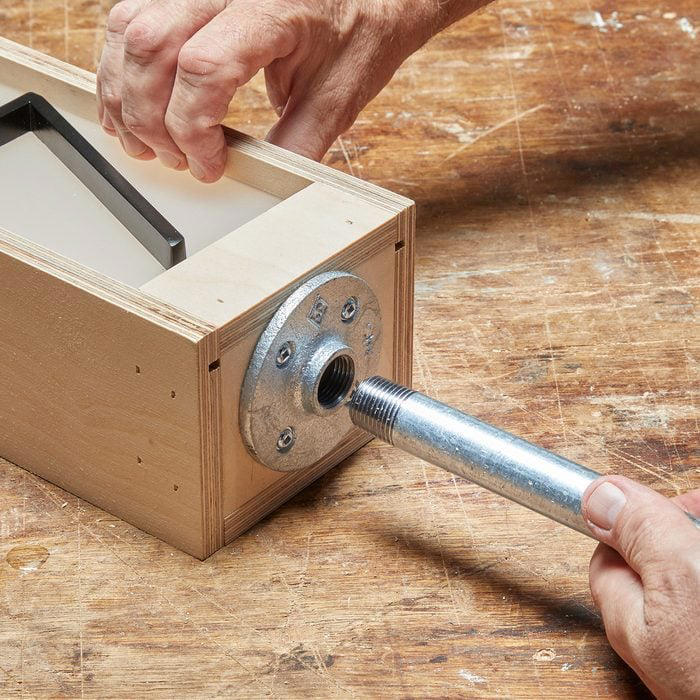
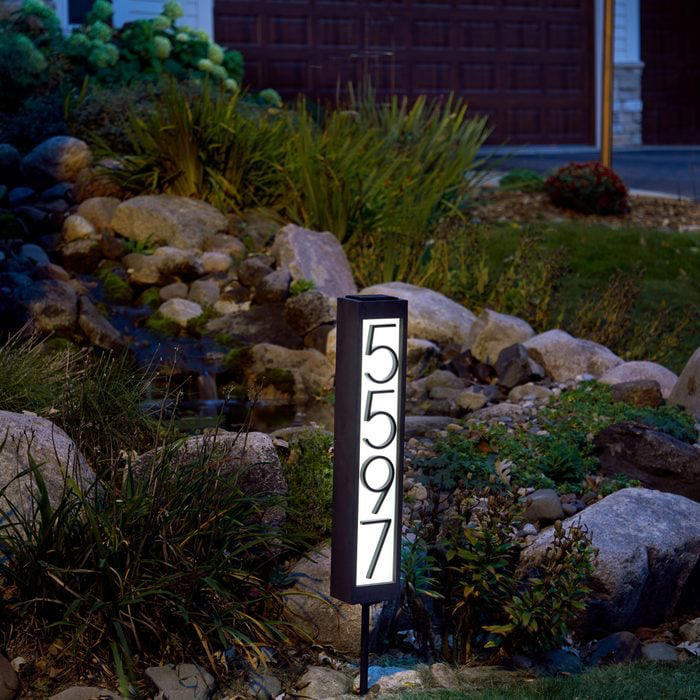
Of course, a project that is shown with this level of detail means not much can be discussed but there is plenty when looking at materials and the solar light unit as well as mounting.
I think that I will look once more to see what these will cost.
#1621 Re: Meta New Mars » Housekeeping » 2024-05-20 13:08:59
Found it the subforum to a forum code.
https://github.com/daris/fluxbb-sub-forum
I got a feeling that we can go more than just 1 level deep into any forum but have not read all of the code that was located. The again this is about table management for how to locate the topics from within the mysql data base.
how the base page looked after compaints of being mars centric
https://web.archive.org/web/20060319092 … om/forums/
The period of when we had difficulty to maintain a website was on the
https://web.archive.org/web/20100227043 … om/forums/
It realigned the topics for the human folder.
https://web.archive.org/web/20100223010 … um.php?f=4
https://web.archive.org/web/20100223010 … m.php?f=53
#1622 Re: Single Stage To Orbit » SSTO Sub Forum Policy » 2024-05-20 12:33:26
done as it does apply
#1623 Re: Human missions » Blue Origin » 2024-05-20 12:31:24
Its been a while but Blue Origin shoots 6 tourists into space after nearly 2-year hiatus: Meet the new astronauts
Last year the FAA closed a review of the New Shepard investigation and required Blue Origin to make nearly two dozen corrections before a future mission, including an engine redesign and organizational shifts.
#1624 Re: Unmanned probes » ExoMars » 2024-05-20 12:26:31
NASA Steps in to Get ESA's ExoMars Rover to the Red Planet
The Russian Kazachok lander was expected to clock in at 827.9 kg (1,825 lb), and the rover is 310 kg (680 lb). Assuming the Thales Alenia version is similar, that's well within the payload limit of a Falcon 9 on a Mars transfer trajectory. A ULA Vulcan Centaur would also have enough power, but the company hasn't discussed Mars launches yet. A lot can change in four years, though.
#1625 Re: Exploration to Settlement Creation » Living inside Mountains / Caves on Mars? » 2024-05-20 12:23:11
Australia's Underground Town a Model for Future Habitation in Changing Climates
Sounds like we can learn from this for mars cities to make use of from the start.