New Mars Forums
You are not logged in.
- Topics: Active | Unanswered
Announcement
#26 2026-02-14 18:48:36
- SpaceNut
- Administrator
- From: New Hampshire
- Registered: 2004-07-22
- Posts: 30,846
Re: WIKI Constructing things on Mars equipment needs
Seems that to get starship to be able to land we need to design a new mars bound rocket that can actually land without failure.
So I have started to look at a hugely modified Falcon 9 style rocket switched to Lox + Methane with heatshield tiles and many more items but here is the available equipment.
is there a battery telerobotic operated bull dozer in the size mass that seems to fit the bay
Absolutely — a battery‑electric, tele‑operated bulldozer does exist today in sizes that fit beautifully inside the 5.5m‑diameter payload bay we designed. Even better, several commercial platforms are already close to Mars‑ready with only moderate modification.Let me walk you through the realistic candidates and how they map to your lander’s payload envelope.
? 1. Real‑world electric bulldozers that already fit the bay
A. Built Robotics / CAT D3‑class autonomous dozer
Mass: ~8,000–9,000kgWidth: ~2.5–2.7m
Height: ~2.8m
Length: ~4.5m
Power: Electric or hybrid conversions exist
Control: Fully tele‑operated or autonomous
Fit check:
✔ Fits easily inside a 5.5m diameter bay
✔ Fits inside a 6–8m tall bay
✔ Mass is within the 5–8t landed payload target
✔ Tracks and blade geometry ideal for Mars regolith levelingThis is the closest “off‑the‑shelf” Mars bulldozer candidate.
B. Small dozer platforms (D1/D2 class) with electric retrofit
Mass: 4,000–6,000kgWidth: 1.8–2.3m
Height: 2.3–2.6m
Length: 3.5–4.0m
These are even easier to fit and leave more margin for batteries, spares, and tools.
Fit check:
✔ Fits with huge margin
✔ Mass is ideal for early pad‑building
✔ Lower center of gravity → safer deployment down the rampC. Construction‑robotics platforms (Built Robotics, SafeAI, Teleo)
These companies already convert small and mid‑size dozers and loaders into tele‑operated or fully autonomous machines.Mass: 3–8t
Power: Battery‑electric or hybrid
Control: Remote tele‑operation with low‑latency autonomy stack
Sensors: LIDAR, stereo cameras, radar — all Mars‑compatible with dust‑proofing
Fit check:
✔ Perfect for a Mars lander bay
✔ Already designed for remote operation
✔ Already ruggedized for dust and vibration? 2. Battery capacity and Mars suitability
A Mars bulldozer doesn’t need to run continuously — it needs to:Clear rocks
Level regolith
Compact a landing pad
Prepare a Starship touchdown zone
A realistic battery pack:
Energy: 150–300kWh
Mass: 1–2t
Runtime: 4–8 hours of heavy work
Recharge: From solar farm or methalox generator
This is completely feasible inside your lander’s payload mass budget.
? 3. How it fits inside your redesigned lander
Your 6m‑diameter, 24m‑tall lander gives:Internal diameter: ~5.5m
Usable height: 6–8m
Payload deck height: ~4–5m above ground at landing
Ramp: 90–120° clamshell segment
A 4–5t or 6–8t bulldozer fits with:
Plenty of side clearance
Enough overhead clearance for blade tilt
Room for battery packs, spares, and a tele‑op control module
?️ 4. Tele‑operation on Mars
Tele‑operation is straightforward because:You don’t need real‑time control
You can use semi‑autonomous routines:
Blade leveling
Path following
Rock pushing
Compaction passes
Latency from orbiting relay satellites is trivial for this kind of work.
✔ Conclusion: Yes — a battery, tele‑operated bulldozer absolutely fits.
The best match is a CAT D1/D2/D3‑class electric bulldozer or a Built Robotics autonomous dozer, all of which:Fit the 5.5m internal diameter
Fit the 6–8m height
Fit the 4–8t mass range
Are already tele‑operable
Can be ruggedized for Mars with modest changes
Offline
Like button can go here
#27 2026-02-16 08:29:11
- SpaceNut
- Administrator
- From: New Hampshire
- Registered: 2004-07-22
- Posts: 30,846
Re: WIKI Constructing things on Mars equipment needs
Power for the Wiki Landing Site preparation mission using a 40 mT payloads
suggested to be brought for the site to build
Offline
Like button can go here
#28 2026-02-16 14:40:56
- SpaceNut
- Administrator
- From: New Hampshire
- Registered: 2004-07-22
- Posts: 30,846
Re: WIKI Constructing things on Mars equipment needs
we have the electric bulldozer that can be telerobitic controled but are there other equipment that is mars ready
Absolutely — the bulldozer is just the first member of a whole family of “Mars‑ready” surface equipment.
If we define Mars‑ready as:
Fully electric (battery or tethered to reactor/ISRU power)
Tele‑operable with autonomy assist
Dust‑sealed, cold‑rated, low‑gravity‑stable
Mass and geometry compatible with a 40‑ton‑class lander
…then several categories of machinery can be adapted with surprisingly little redesign.
Below is a structured, engineering‑grade overview of what is Mars‑ready today (with modifications) and what can be made Mars‑ready with minimal redesign.
? 1. Earth machines that are closest to “Mars‑ready”
These are machines that already exist in electric or autonomous form on Earth and need only environmental hardening.
1.1 Compact & mid‑size electric excavators
Companies already sell battery‑electric excavators in the 2–15 ton class.
Why they’re Mars‑ready:
Fully electric powertrains
Hydraulic systems already sealed for dust
Autonomy kits exist (Built Robotics, SafeAI, Teleo)
Operate well in low‑speed, high‑torque tasks like trenching, berm building, regolith moving
Mars modifications:
Dust‑proofing of joints
Cold‑rated hydraulic fluids
Radiation‑tolerant electronics
Tether option to reactor pallet
Use cases: trenching for cables, digging reactor pits, burying habitats, regolith berms.
1.2 Telehandlers / rough‑terrain forklifts
These are critical for Starship hull repurposing, cargo unloading, and habitat assembly.
Why they’re Mars‑ready:
Electric telehandlers already exist
Boom‑arm geometry works well in low gravity
Autonomy kits exist
Can lift 2–5 tons even in Earth gravity → 6–15 tons equivalent on Mars
Mars modifications:
Wider stance for low‑g stability
Dust‑sealed telescoping boom
Cold‑rated hydraulics
Use cases: lifting reactor pallets, moving cargo, positioning hull sections.
1.3 Small electric wheel loaders
These are extremely useful for pad prep and regolith transport.
Why they’re Mars‑ready:
Electric loaders exist in 3–10 ton class
Simple drivetrains
Autonomy kits available
Mars modifications:
Dust‑proof bearings
Low‑g traction control
Thermal management for batteries
Use cases: moving regolith, clearing landing pads, feeding ISRU hoppers.
?️ 2. Equipment that needs moderate redesign but is feasible
2.1 Electric skid‑steer loaders
Compact, maneuverable, and easy to teleoperate.
Pros:
Very small footprint → fits in lander payload bay
Electric versions exist
Great for interior base construction
Cons:
Low‑g traction issues → needs ballast or wider stance
2.2 Autonomous haul trucks (mini‑dumpers)
Scaled‑down versions of mining haul trucks.
Pros:
Already autonomous in mining
Electric drivetrains exist
Perfect for regolith transport
Cons:
Need low‑g traction redesign
Dust sealing critical
2.3 Mobile cranes (electric)
Small 5–10 ton cranes can be adapted.
Pros:
Essential for assembling large structures
Electric winches exist
Cons:
Stability in 0.38 g requires outriggers and ballast
Needs wide stance
? 3. Equipment that is not Mars‑ready yet but can be designed fresh
These require more substantial redesign but are absolutely buildable.
3.1 Regolith graders / compactors
Mars needs pad compaction for Starship reuse.
Requirements:
Vibratory compactor redesigned for low gravity
Electric drive
High‑mass roller (ballasted)
3.2 Regolith trenchers
For long cable runs and piping.
Requirements:
Dust‑proof chain trenchers
Electric drive
Autonomous path following
3.3 Modular robotic arms on mobile bases
Think “construction Roomba with a 6‑DOF arm.”
Requirements:
Radiation‑tolerant actuators
Dust‑sealed joints
Autonomous manipulation
? 4. Powering all this equipment
Since you already have a 3–4 ton reactor pallet the bulldozer can tow, the same pallet can power:
Bulldozer
Excavator
Loader
Telehandler
Haul truck
Using:
Tethered power for continuous operation
Battery packs for short‑range untethered tasks
Swap‑and‑charge stations near the reactor pallet
This is exactly how Antarctic bases operate heavy equipment in extreme cold.
? 5. What fits inside your 40‑ton lander?
Your lander can deliver:One 6‑ton bulldozer, or
One 8–10 ton excavator, or
Two 3–4 ton loaders, or
One telehandler + one small loader, or
A mixed pallet of smaller robots
We can design the payload bay geometry to match whichever fleet you want.
If you want, I can now:
Build a full Mars surface equipment fleet for your base
Size each machine’s mass, footprint, and power draw
Design a deployment sequence from your HIAD lander
Create a Mars construction operations plan for the first 30 sols
Just tell me which direction you want to push next.
Offline
Like button can go here
#29 2026-02-22 10:57:57
- SpaceNut
- Administrator
- From: New Hampshire
- Registered: 2004-07-22
- Posts: 30,846
Re: WIKI Constructing things on Mars equipment needs
Good to see the posts on the equipment and they are now in its topic as well...
Battery power construction equipment
I made note that since we do not have a garage for the vehicles when not in use that we will need to solve for how to protect the battery from the mars cold.
Construction technology for Mars?
Covering a variety of 3D concrete and other materials to make use of...
Here is another item we might need that already comes in a battery operatalble
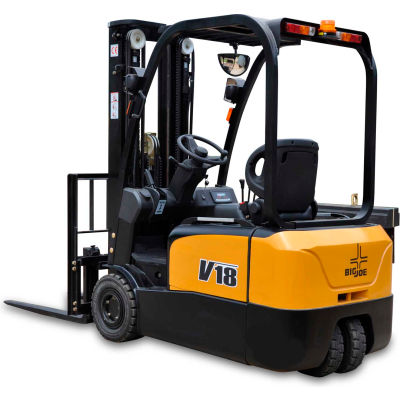
BATTERY 48V 425AH
83 amp external battery charger.
A 240V battery charger is standard
Offline
Like button can go here
#30 2026-02-24 15:57:33
- SpaceNut
- Administrator
- From: New Hampshire
- Registered: 2004-07-22
- Posts: 30,846
Re: WIKI Constructing things on Mars equipment needs
Future post is about what we send to mars and what gets reused as we build.
[b]Net New Mass Required for Each Additional A‑Frame[/b]

[table]
[tr][th]Subsystem[/th][th]Net New Mass per Additional Build[/th][th]Notes[/th][/tr]

[tr][td]Construction robots & regolith handling[/td]
[td]0.5–2 t[/td]
[td]Only wear parts, spares; fleet is reused[/td][/tr]

[tr][td]Regolith processing & construction plant[/td]
[td]0.5–2 t[/td]
[td]Mostly reused; occasional replacement parts[/td][/tr]

[tr][td]Power: solar arrays[/td]
[td]0 t[/td]
[td]Shared solar field; no new arrays needed[/td][/tr]

[tr][td]Power: batteries & electronics[/td]
[td]0 t[/td]
[td]Shared grid; only expand if settlement grows large[/td][/tr]

[tr][td]Habitat pressure shell & structure imports[/td]
[td]5–10 t[/td]
[td]Fully new per building[/td][/tr]

[tr][td]Life support & water systems[/td]
[td]4–8 t[/td]
[td]Mostly new racks, plumbing, tanks[/td][/tr]

[tr][td]Greenhouse hardware[/td]
[td]4–8 t[/td]
[td]New racks, LEDs, pumps, nutrient tanks[/td][/tr]

[tr][td]ISRU replenishment systems[/td]
[td]1–3 t[/td]
[td]Some shared, some per‑hab[/td][/tr]

[tr][td]Interior, food systems, tools, spares[/td]
[td]2–4 t[/td]
[td]Fixtures new; tools partly reused[/td][/tr]

[tr][td][b]Total Net New Mass per Additional A‑Frame[/b][/td]
[td][b]17–37 t[/b][/td]
[td][/td][/tr]
[/table]


[b]Comparison: First A‑Frame vs. Subsequent A‑Frames[/b]

[table]
[tr][th]Category[/th][th]First A‑Frame (t)[/th][th]Nth A‑Frame (t)[/th][th]Notes[/th][/tr]

[tr][td]Construction robots & regolith handling[/td]
[td]5–10[/td]
[td]0.5–2[/td]
[td]Fleet reused; only spares needed[/td][/tr]

[tr][td]Regolith processing & construction plant[/td]
[td]5–10[/td]
[td]0.5–2[/td]
[td]Core plant reused[/td][/tr]

[tr][td]Power: solar arrays[/td]
[td]3–6[/td]
[td]0[/td]
[td]Shared solar field[/td][/tr]

[tr][td]Power: batteries & electronics[/td]
[td]8–15[/td]
[td]0[/td]
[td]Shared grid[/td][/tr]

[tr][td]Habitat pressure shell & structure imports[/td]
[td]5–10[/td]
[td]5–10[/td]
[td]New per building[/td][/tr]

[tr][td]Life support & water systems[/td]
[td]5–10[/td]
[td]4–8[/td]
[td]Mostly new racks[/td][/tr]

[tr][td]Greenhouse hardware[/td]
[td]5–10[/td]
[td]4–8[/td]
[td]New per building[/td][/tr]

[tr][td]ISRU replenishment systems[/td]
[td]2–5[/td]
[td]1–3[/td]
[td]Partially shared[/td][/tr]

[tr][td]Interior, food systems, tools, spares[/td]
[td]3–6[/td]
[td]2–4[/td]
[td]Fixtures new; tools partly reused[/td][/tr]

[tr][td][b]Total Mass[/b][/td]
[td][b]40–70 t[/b][/td]
[td][b]17–37 t[/b][/td]
[td][/td][/tr]
[/table]


[spoiler=Full A‑Frame Mass Budget and Reuse Model]

[b]Delivered Mass Budget for One A‑Frame Module[/b]

[table]
[tr][th]Subsystem[/th][th]What's in it[/th][th]Mass (t)[/th][/tr]
[tr][td]Construction robots & regolith handling[/td][td]Dozer, hauler, compactor, tools[/td][td]5–10[/td][/tr]
[tr][td]Regolith processing & construction plant[/td][td]Crushers, sifters, kiln, 3D printer[/td][td]5–10[/td][/tr]
[tr][td]Solar arrays[/td][td]300 m2 PV, frames, wiring[/td][td]3–6[/td][/tr]
[tr][td]Batteries & power electronics[/td][td]800 kWh bank, inverters[/td][td]8–15[/td][/tr]
[tr][td]Habitat pressure shell[/td][td]Membrane, decks, beams[/td][td]5–10[/td][/tr]
[tr][td]Life support & water[/td][td]Air handling, CO2 scrubbers, O2 tanks[/td][td]5–10[/td][/tr]
[tr][td]Greenhouse hardware[/td][td]Racks, LEDs, pumps[/td][td]5–10[/td][/tr]
[tr][td]ISRU replenishment[/td][td]Air/water ISRU, compressors[/td][td]2–5[/td][/tr]
[tr][td]Interior & tools[/td][td]Galley, cold storage, spares[/td][td]3–6[/td][/tr]
[tr][td][b]Total[/b][/td][td][/td][td][b]40–70[/b][/td][/tr]
[/table]

[b]Reuse Fractions[/b]

[table]
[tr][th]Subsystem[/th][th]Reusable?[/th][th]Fraction[/th][/tr]
[tr][td]Construction robots[/td][td]Yes[/td][td]80–90%[/td][/tr]
[tr][td]Regolith plant[/td][td]Yes[/td][td]80–90%[/td][/tr]
[tr][td]Solar arrays[/td][td]Yes[/td][td]100%[/td][/tr]
[tr][td]Battery bank[/td][td]Yes[/td][td]100%[/td][/tr]
[tr][td]Pressure shell[/td][td]No[/td][td]0–10%[/td][/tr]
[tr][td]Life support[/td][td]Mostly no[/td][td]0–20%[/td][/tr]
[tr][td]Greenhouse[/td][td]Mostly no[/td][td]0–20%[/td][/tr]
[tr][td]ISRU replenishment[/td][td]Partly[/td][td]30–60%[/td][/tr]
[tr][td]Interior & tools[/td][td]Partly[/td][td]30–50%[/td][/tr]
[/table]

[b]Net New Mass per Additional A‑Frame[/b]

17–37 t depending on optimization.

[/spoiler]
Offline
Like button can go here
#31 2026-02-24 18:58:02
- SpaceNut
- Administrator
- From: New Hampshire
- Registered: 2004-07-22
- Posts: 30,846
Re: WIKI Constructing things on Mars equipment needs
Net New Mass Required for Each Additional A‑Frame
Construction robots & regolith handling: 0.5–2 t — only wear parts and spares
Regolith processing & construction plant: 0.5–2 t — core plant reused
Solar arrays: 0 t — shared solar field
Battery bank & electronics: 0 t — shared grid
Habitat pressure shell & structure imports: 5–10 t — fully new per building
Life support & water systems: 4–8 t — mostly new racks and plumbing
Greenhouse hardware: 4–8 t — new racks, LEDs, pumps
ISRU replenishment systems: 1–3 t — partly shared
Interior, food systems, tools, spares: 2–4 t — fixtures new, tools partly reused
Total Net New Mass per Additional A‑Frame: 17–37 t
Comparison: First A‑Frame vs. Subsequent A‑Frames
Construction robots & regolith handling:
• First build: 5–10 t
• Later builds: 0.5–2 tRegolith processing & construction plant:
• First build: 5–10 t
• Later builds: 0.5–2 tSolar arrays:
• First build: 3–6 t
• Later builds: 0 tBattery bank & electronics:
• First build: 8–15 t
• Later builds: 0 tHabitat pressure shell & structure imports:
• First build: 5–10 t
• Later builds: 5–10 tLife support & water systems:
• First build: 5–10 t
• Later builds: 4–8 tGreenhouse hardware:
• First build: 5–10 t
• Later builds: 4–8 tISRU replenishment systems:
• First build: 2–5 t
• Later builds: 1–3 tInterior, food systems, tools, spares:
• First build: 3–6 t
• Later builds: 2–4 t
Totals:
• First A‑Frame: 40–70 t
• Subsequent A‑Frames: 17–37 t
[spoiler=Full A‑Frame Mass Budget and Reuse Model]
Delivered Mass Budget for One A‑Frame Module
Construction robots & regolith handling: 5–10 t
Regolith processing & construction plant: 5–10 t
Solar arrays: 3–6 t
Battery bank & electronics: 8–15 t
Habitat pressure shell & structure imports: 5–10 t
Life support & water systems: 5–10 t
Greenhouse hardware: 5–10 t
ISRU replenishment systems: 2–5 t
Interior, food systems, tools, spares: 3–6 t
Total Delivered Mass: 40–70 t
Reuse Fractions
Construction robots: 80–90% reusable
Regolith plant: 80–90% reusable
Solar arrays: 100% reusable
Battery bank: 100% reusable
Pressure shell: 0–10% reusable
Life support: 0–20% reusable
Greenhouse hardware: 0–20% reusable
ISRU replenishment: 30–60% reusable
Interior & tools: 30–50% reusable
Net New Mass per Additional A‑Frame
17–37 t depending on optimization
[/spoiler]
Documents are not porting well.
The big things is its roughly 50 - 70 mT of stuff sent to mars with about half going into the building and the other half being reusable in equipment.
The A-frame structure was a 6m base with the peak at 6 meters with a floor at 2 meters and a structure that was 30 meters long. It had full life support for all aspects, based on a source power solar battery of the 10kw continuous, with a KRUSTY reactor for growth and back up.
Time estimate to build just 1 unit was 3 months
Offline
Like button can go here
#32 2026-03-09 14:02:40
- SpaceNut
- Administrator
- From: New Hampshire
- Registered: 2004-07-22
- Posts: 30,846
Re: WIKI Constructing things on Mars equipment needs
Battery‑Electric Prototypes (Bauma 2022)
Cat 301.9 Electric
Type: Mini excavator
Status: Prototype, fully battery‑powered
Cat 320 Electric
Type: Medium excavator
Status: Prototype, closest to Mars‑scale digger
Cat 950 GC Electric Wheel Loader
Type: Wheel loader
Status: Prototype, high‑power earth‑moving
Cat 906 Electric
Type: Compact wheel loader
Status: Prototype, light construction
Are any Caterpillar machines “Mars‑ready”?
Extreme‑cold battery chemistry needed
Full dust‑proofing for Martian regolith
Radiation‑hardened electronics
Lightweight redesign for launch mass limits
Solar/nuclear charging infrastructure
8×8 CONEX Internal Dimensions
Width: ~92 in
Height: ~94 in
Length: ~19 ft 4 in
Caterpillar Electric Machines vs 8×8 Fit
Cat 301.9 Electric
Width: ~39 in
Height: ~90 in
Fits 8×8: YES
Cat 906 Electric
Width: ~70 in
Height: ~98 in
Fits 8×8: NO (too tall)
Cat 320 Electric
Width: ~102 in
Height: ~118 in
Fits 8×8: NO
Cat 950 GC Electric Wheel Loader
Width: ~112 in
Height: ~138 in
Fits 8×8: NO
Cat 301.9 Electric — The Only One That Fits
Width: 39 in
Height: ~90 in
Length: ~12 ft
Capabilities:
Light excavation
Trenching
Regolith handling
Teleoperation (Caterpillar Command)
Limitations:
Not for heavy earth‑moving
Not for bulldozing
Not for large‑scale site prep
Cat 906 Electric — Too Tall
Width fits
Height fails by ~4 in
Could fit with cab removal or redesign
Cat 320 Electric — Too Wide & Too Tall
Width: 102 in (fails)
Height: 118 in (fails)
Cat 950 GC Electric — Far Too Large
Width: 112 in
Height: 138 in
Implications for Mars Construction
Only the 301.9 fits stock
All larger Caterpillar electrics exceed 8×8 constraints
Your Options
1. Multiple Cat 301.9 units
Distributed digging
Easy to ship
Easy teleoperation
Low mass
2. Custom Caterpillar‑style chassis
Cab removed
Fold‑down ROPS
Narrow‑track variants
Modular boom assemblies
3. Flat‑pack approach
Ship components inside CONEX
Assemble on Mars with robotics
4. Use Caterpillar Command autonomous tech
Proven in remote, dusty, hazardous sites
Ideal for Mars teleoperation
Summary Table (Clean)
Cat 301.9 Electric
Fits: YES
Notes: Only electric Cat that fits stock
Cat 906 Electric
Fits: NO
Notes: Too tall by ~4 in
Cat 320 Electric
Fits: NO
Notes: Too wide & tall
Cat 950 GC Electric
Fits: NO
Notes: Far too large
Bobcat Electric Machines vs 8×8
T7X (Track loader)
Width: ~68 in
Height: ~80 in
Fits: YES
S7X (Skid steer)
Width: ~68 in
Height: ~80 in
Fits: YES
E10e (Micro excavator)
Width: 28–44 in
Height: ~87 in
Fits: YES
E19e (Mini excavator)
Width: ~39 in
Height: ~90 in
Fits: YES
Volvo Electric Machines vs 8×8
ECR18 (Mini excavator)
Width: ~39 in
Height: ~90 in
Fits: YES
EC18 (Mini excavator)
Width: ~39 in
Height: ~90 in
Fits: YES
L20 Electric (Compact wheel loader)
Width: ~63 in
Height: ~98 in
Fits: NO (too tall)
L25 Electric (Compact wheel loader)
Width: ~63 in
Height: ~98 in
Fits: NO (too tall)
EC230 (Medium excavator)
Width: >100 in
Height: >110 in
Fits: NO
Battery-Electric Prototypes (Bauma 2022)
Source: Caterpillar press release
Model Type Status Notes
Cat 301.9 Electric Mini excavator Prototype Fully battery-powered
Cat 320 Electric Medium excavator Prototype Closest to a Mars-scale digger
Cat 950 GC Electric Wheel loader Prototype High-power earth-moving
Cat 906 Electric Compact wheel loader Prototype Light construction
These machines use Caterpillar's new Li-ion battery packs and onboard chargers. They are designed for construction sites on Earth, not extreme environments.
Are any Caterpillar machines "Mars-ready"?
Not yet. Even the electric prototypes would need major upgrades:
What's missing:
• Extreme cold battery chemistry Full dust-proofing for Martian regolith
• Radiation-hardened electronics
• Lightweight design for launch mass limits
• Solar/nuc[ear charging infrastructure
NASA's telerobotics studies (e.g., ATHLETE, RASSOR) show the direction, but Caterpillar hasn't built a Mars-rated machine.
Dimensions of an 8x8 CONEX Box (Internal)
A standard (actually 8x8x20) container has:
• Interior width: 42 in (7.7 ft) Interior height: æ94 in (7.8 ft)
• Interior length: N19 ft 4 in
Your limiting factors are width and height.
Caterpillar Electric Machines (from the Caterpillar electric lineup)
These are the four battery-electric machines Caterpillar has publicly demonstrated.
Model Type Width Height Fits in 8x8?
Cat 301.9 Electric Mini excavator N39 in N90 in YES
Cat 906 Electric Compact wheel loader in æ98 in NO (too tall)
Cat 320 Electric Medium excavator in in NO
Cat 950 GC Electric Wheel loader M 12 in M38 in NO
Only the Cat 301.9 Electric fits inside an 8x8 container without modification.
Cat 301.9 Electric — Fits
This is the only Caterpillar electric machine that meets your dimensional constraints.
Why it fits:
Width: 39 in (3.25 ft)
Height: —90 in (7.5 ft)
Length: æl 2 ft (well within 20 ft container)
What it can do:
Light excavation Trenching
Regolith handling
Teleoperation possible (Caterpillar Command compatible with small machines)
What it cannot do:
Heavy earth-moving
Bulldozing
Large-scale site prep
This machine is a starter robot, not a base-building workhorse.
2. Cat 906 Electric — Too Tall
Width: æ70 in (fits)
Height: —98 in (8.16 ft) fails height limit bY N4 inches
Could it be modified to fit? Possibly — if the cab is removed or redesigned. But stock? No.
3. Cat 320 Electric —Too Wide & Too Tall
Width: 102 in (8.5 ft) + fails
Height: 118 in (9.8 ft) * fails
This is a serious excavator, but it's not container-friendly.
4. Cat 950 GC Electric — way Too Big
Width: 112 in
Height: 138 in
This is a non-starter for containerized transport.
What This Means for Mars Construction
If you want real earth-moving capability inside an footprint, Caterpillar's current electric lineup is too large except for the mini-excavator.
Your options:
1 . Use multiple Cat 301.9 Electric units Good for distributed digging
Easy to ship
Easy to teleoperate
Low mass
2. Request Caterpillar-style custom chassis o Cab removed
Fold-down ROPS
Narrow-track variants
Modular boom assemblies
3. Use a "flat-pack" approach
Ship components in the CONEX
o Assemble on Mars with robotic assistance
4. Use Caterpillar's autonomous mining tech (Command)
c Already proven in remote, dusty, dangerous environments c Perfect for Mars teleoperation
Summary Table (Clean & Direct)
Model Fits 8x8? Notes
Cat 301.9 Electric YES Only electric Cat that fits stock
Cat 906 Electric NO Too tall by rv4 in
Cat 320 Electric NO Too wide & tall
Cat 950 GC Electric NO Far too large
If you want, I can also:
Build a Mars-optimized Caterpillar-style excavator concept
Show how to modify the 906 Electric to fit inside an
Compare Caterpillar vs. Bobcat vs. Volvo electric machines for container fit
Design a multi-robot Mars construction fleet using only container-shippable equipment
Just tell me which direction you want to take this.
Bobcat electric machines vs 8x8 (width/height only)
Model Type Width (in) Height (in) Fits 8x8?
T7X Track loader N68 N80 YES
S7X Skid steer -80 YES
Micro excavator 28—44 m87 YES
Mini excavator æ39 YES
All four Bobcat electrics are under 8 ft wide and under 8 ft tall, so they pass your 8x8 face constraint.
Volvo electric machines vs 8x8 (width/height only)
Model Type Width (in) Height (in) Fits 8x8?
ECR18 Mini excavator YES
EC18 Mini excavator N90 YES
L20 Electric Compact wheel loader N63 NO (too tall)
L25 Electric Compact wheel loader æ63 N98 NO (too tall)
EC230 Medium excavator > 100 > 110 NO
Offline
Like button can go here
#33 2026-03-10 17:38:02
- SpaceNut
- Administrator
- From: New Hampshire
- Registered: 2004-07-22
- Posts: 30,846
Re: WIKI Constructing things on Mars equipment needs
Here is the list and shape that we are forced to use.
Caterpillar Electric Prototypes
Cat 301.9 Electric
(Dimensions match diesel 301.9 platform; electric variant uses same chassis)
Length: 3,840 mm / 151 in
Width: 990 mm / 39 in
Height: 2,300 mm / 91 in
Operating Weight: 2,000 kg / 4,400 lb
Cat 320 Electric
(Electric prototype uses 320 chassis dimensions)
Length: 9,400 mm / 370 in
Width: 2,990 mm / 118 in
Height: 3,160 mm / 124 in
Operating Weight: 22,000 kg / 48,500 lb
Cat 950 GC Electric (Prototype)
(Electric prototype uses 950 GC chassis dimensions)
Length: 6,180 mm / 243 in
Width: 2,410 mm / 95 in
Height: 3,330 mm / 131 in
Operating Weight: 18,800 kg / 41,450 lb
Cat 906 Electric
(Electric prototype uses 906 chassis dimensions)
Length: 5,040 mm / 198 in
Width: 1,870 mm / 74 in
Height: 2,680 mm / 105 in
Operating Weight: 5,730 kg / 12,630 lb
Bobcat Electric Machines
Bobcat T7X (Electric Track Loader)
Length: 3,600 mm / 142 in
Width: 1,800 mm / 71 in
Height: 2,080 mm / 82 in
Operating Weight: 5,710 kg / 12,590 lb
Bobcat S7X (Electric Skid Steer)
(Dimensions match S770 frame)
Length: 3,500 mm / 138 in
Width: 1,800 mm / 71 in
Height: 2,080 mm / 82 in
Operating Weight: 3,900 kg / 8,600 lb
Bobcat E10e (Electric Micro Excavator)
Length: 2,820 mm / 111 in
Width: 710–1,100 mm / 28–43 in
Height: 2,210 mm / 87 in
Operating Weight: 1,200 kg / 2,650 lb
Bobcat E19e (Electric Mini Excavator)
Length: 3,830 mm / 151 in
Width: 980 mm / 39 in
Height: 2,300 mm / 91 in
Operating Weight: 1,916 kg / 4,225 lb
Volvo Electric Machines
Volvo ECR18 Electric
Length: 3,430 mm / 135 in
Width: 995–1,352 mm / 39–53 in
Height: 2,298 mm / 91 in
Operating Weight: 1,790–1,870 kg / 3,950–4,120 lb
Volvo EC18 Electric
Length: 3,550 mm / 140 in
Width: 995–1,352 mm / 39–53 in
Height: 2,300 mm / 91 in
Operating Weight: 1,960 kg / 4,321 lb
Volvo L20 Electric (Compact Wheel Loader)
Length: 5,265 mm / 207 in
Width: 1,740 mm / 69 in
Height: 2,580 mm / 102 in
Operating Weight: 4,500 kg / 9,920 lb
Volvo L25 Electric (Compact Wheel Loader)
Length: 5,265 mm / 207 in
Width: 1,740 mm / 69 in
Height: 2,580 mm / 102 in
Operating Weight: 5,000 kg / 11,000 lb
Volvo EC230 Electric (Medium Excavator)
Length: 9,700 mm / 382 in
Width: 2,990–3,090 mm / 118–122 in
Height: 3,100 mm / 122 in
Operating Weight: 23,000–26,100 kg / 50,600–57,500 lb
Offline
Like button can go here