You are not logged in.
- Topics: Active | Unanswered
Announcement
#76 Re: Exploration to Settlement Creation » Calliban's Brick Dome on Mars » 2025-11-13 19:11:18
The image below shows how I think we will build brick domes on Mars.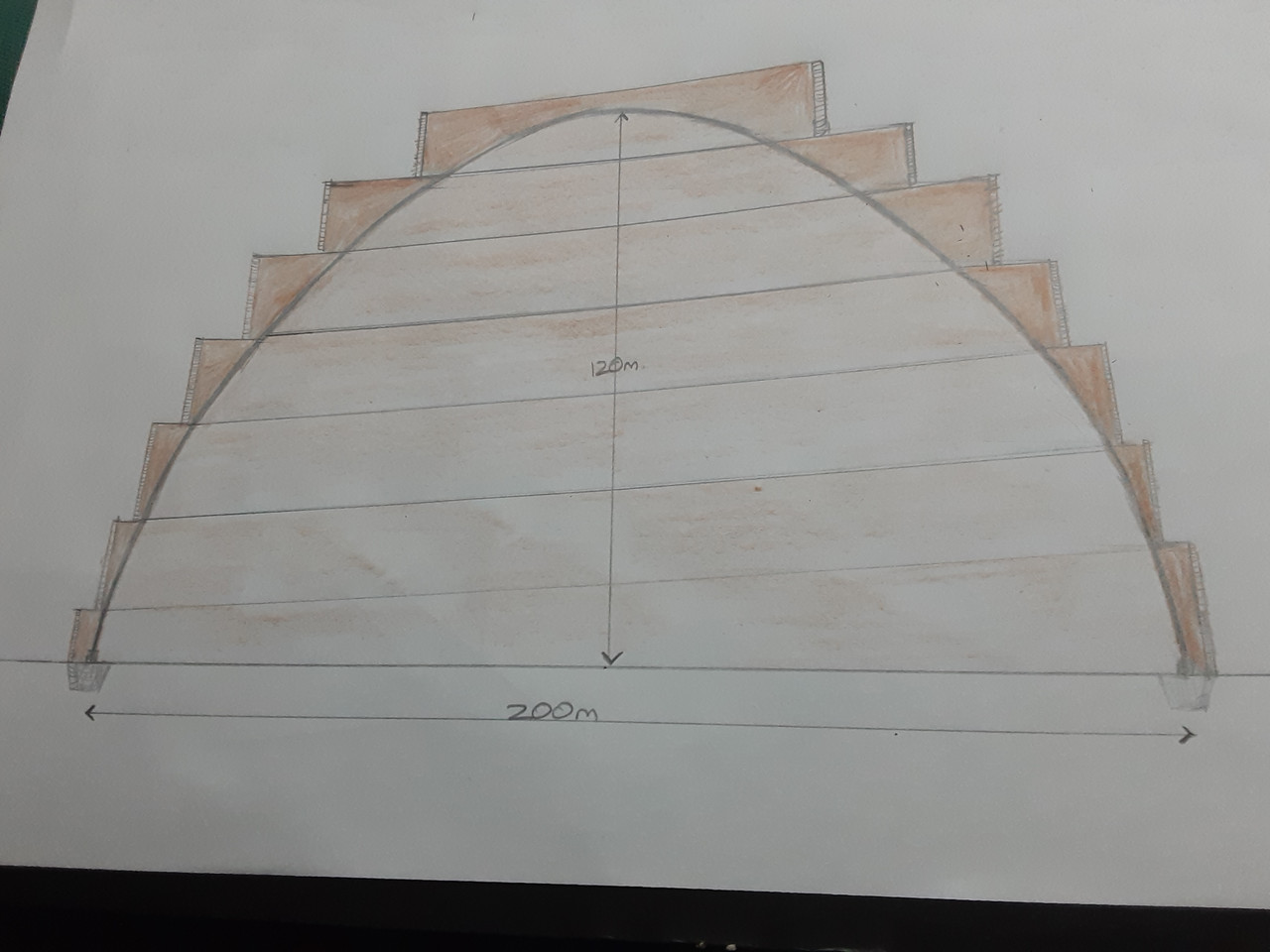
The inner black lining is a parabolic dome that would be constructed from Class A engineering bricks. Regolith covers the dome and forms a spiral Ziggurat. This allows a spiral road to wind around the structure until it reaches the top.
https://en.wikipedia.org/wiki/Ziggurat
The stepped structure shown in my sketch is exagerated. Likely, the retaining wall behind the road will be no more than 1m high, so each spiral layer as shown in the drawing would be 1m high. This avoids any significant load concentrations that could result in buckling instability. The road will wrap around the structure over 100 times before reaching the top. We would build the berm incrementally around the parabolic dome as it is assembled towards its apex. This allows assembly robots easy access to the work surface by running up the spiral road. It also avoids the need for formwork inside the dome, as robots can climb up the regolith berm to get to the work surface. With each new metre added to the dome, regolith would be piled around it and the spiral road will be extended once around the structure. In this way, the only materials needed are brick, stone, graded regolith and a binding cement for the bricks.
The dome shown here has a diameter of 200m (650'). This gives an internal land area of 3.14 hectares. The dome itself can be quite thin, as it is really acting as a retaining wall to prevent compacted regolith from crumbling inward. We would need a minimum of 400,000 tonnes of graded regolith to build the berm. This is the amount needed to balance an internal pressure of 50KPa under Martian gravity over an area of 3.14 hectares. Moving and compacting this much regolith is no small task. If we processed 1100 tonnes per day, it would take about 1 year to build the structure. Assuming a dome thickness of 7.5cm (standard width engineering brick) we would need ~15,000 tonnes of engineering bricks. That is 41 tonnes per day × 1 year. That is about 12 cubic metres of bricks per day. I think we could do that in a modest sized brick oven.
I anticipate that the dome would contain an extremely dense urban district. This will consist of very narrow pedestrian streets lined with terrace houses and shops. Rather like the Fez medina. To get the most use out of our dome, I anticipate that the internal town will be built on three levels. The lowest level will consist of a network of subsurface tunnels and chambers. This would contain functional infrastructure (water delivery, sewage removal and treatment, electric power delivery), as well as small scale industry, inventory storage and any other functions that don't need to take place in the buildings above. Next will be town itself, a dense network of terrace buildings designed to resemble a mediaeval town. These would be limited to 5 floors high, to preserve the human scale of the city. Finally, the top level will be the flat roofs of the buildings, which will be landscaped as a continuoys greenspace, with footbridges running over streets.
How many people would live in the dome?
#77 Re: Terraformation » Solar Reflections from Orbits to a Worlds Dark Spots, Mega Structures » 2025-11-12 17:30:06
It may turn out that substantial water will eventually be found beneath the surface of the moon. Go just 1m down and temperature is a stable -20°C even at the equator. So any water at this depth will not be mobile. Any that migrates through the interlocking maze of mineral grains, will be trapped at this depth. Any small cracks and crevices in the surface may also serve as cold traps.
Regarding the reduction of Mars iron oxide using hydrogen. This would be a good way of producing extremely strong bricks. Graded fine regolith is richer in iron oxide than most Earth soils. Graded fines could be compressed into a mold producing a green brick. The green brick is then baked in an oven at temperatures of 1000°C for a period of several hours in a hydrogen atmosphere. The iron oxide woukd be steadily reduced by the H2. This results in long chain oxide molecules with partial oxidation states. This polymerised iron oxide makes the brick stronger than steel (in compression).
#78 Re: Science, Technology, and Astronomy » Suspension Bridge Martian City Roof Design » 2025-11-12 16:04:52
TH, see images below.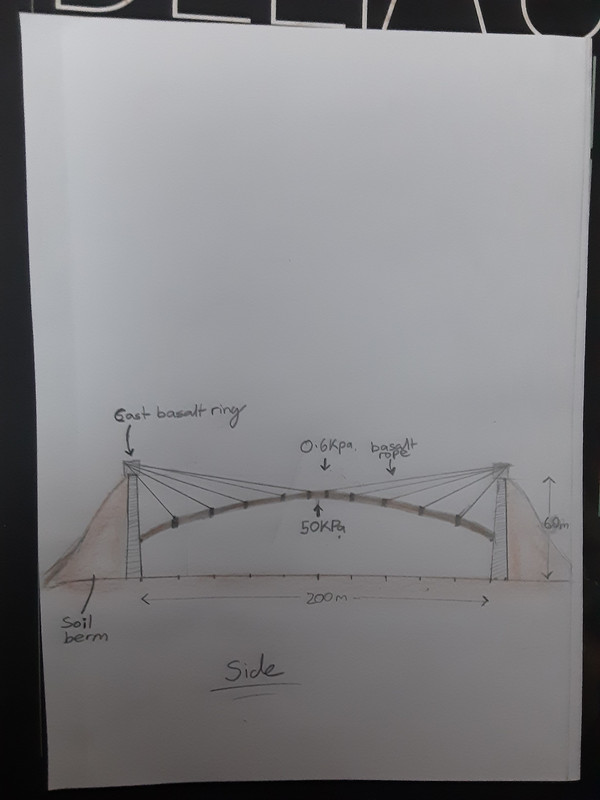
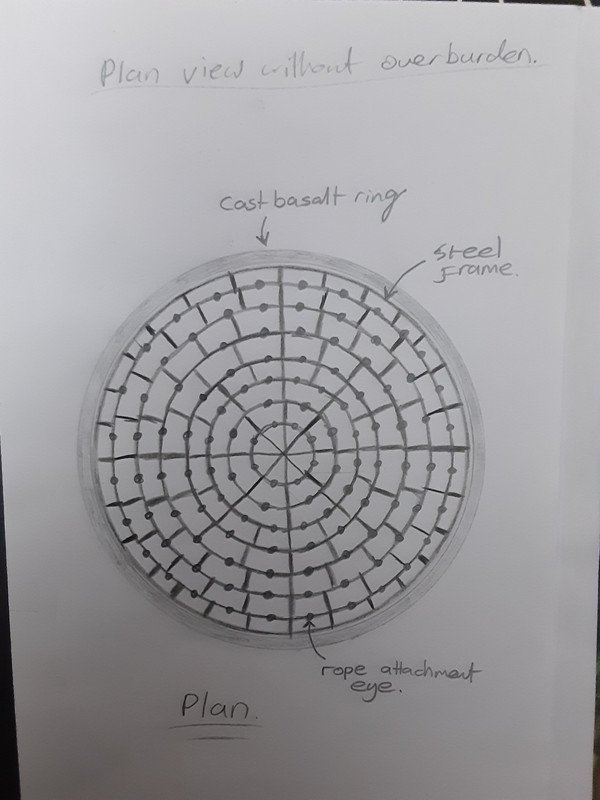
In this example, cables support a steel frame ceiling. The frame is covered first with a layer of coarse rocks and then a layer of compacted regolith fines. Finally, bulk regolith is heaped ontop to a depth of about 5m. The weight of the regolith and frame is transfered to the cables prior to pressurisation. The cables transfer load to the cast basalt ring on top of the stone retaining wall. Circumferential compressive forces balance the tensile forces in thebasalt fibre cables.
Once pressurised, the internal pressure would largely cancel out the downward weight of the frame and regolith overburden. At this point, tensile stresses in the cables and shearing stresses in the frame, are largely cancelled out. This removes any longterm fatigue problems.
The LED screen (or blue transluscent sheet?) would hang from the underside of the steel frame. This would presumably be a lightweight structure.
I'm not quite sure why we would build a roof this way, rather than as an entirely compressive shell structure. Can you think of advantages that a cable supported structure would have over a parabolic compressive shell?
#79 Re: Science, Technology, and Astronomy » Suspension Bridge Martian City Roof Design » 2025-11-11 17:59:45
For Calliban re new Suspended Roof topic...
https://newmars.com/forums/viewtopic.php?id=11235
Of all our members, it seems to me you may be best qualified to add substance to this new topic.
I am hoping your previous work on cast iron would extend to this structure.
It seems likely you would need stronger material for the cables, and that would require energy, but a city like this is going to happen only if there is sufficient energy available to splurge on metalurgy. Assuming you have enough energy, am i correct in thinking a city scape using suspended roofing with regolith cover for pressure balance and radiation protection would make sense?
The alternative is to dig underground, and it seems to me that unless huge natural cavities are found, it would ** always ** take more energy for excavation than would be required for the suspended roof concept.
(th)
One material that we have examined in the past is cast basalt. This has compressive strength of 300-500MPa. This is about the same as the tensile strength of low alloy steel. From the data in the attached article, I estimate that between 1.5-2MJ of heat are needed to transform 1kg basalt from a room temperature solid to a castable liquid. Basalt has density 3t/m3, whereas low alloy steel is 7.8t/m3.
http://www.rmag.soil.msu.ru/articles/478.pdf
Low alloy steel has an energy cost of about 30MJ/kg if produced from ore rather than recycled metal. On Mars, it will all be produced from ore for a long time to come. This means that 1 cubic metre of cast basalt has about 2.5% of the energy cost of the equivelant volume of steel. We also need a lot less equipment to produce cast basalt. An electrically heated furnace and a set of moulds to cast the ceramic members.
Cast basalt tiles could then be glued together using a thin film of epoxy resin to produce a tibrel vaulted roof. If the tiles are polished after casting, then the epoxy film could be as thin as 0.1mm thick. The vault would then be covered in a thick berm of compressed graded regolith.
#80 Re: Meta New Mars » Calliban Postings including links to notable contributions » 2025-11-10 17:48:44
This tool allows individually designed buildings to be uploaded and rendered into an AI generated cityscape. Very impressive.
https://www.d5render.com/
Using tools like this, we could design a Martian city right here on Earth and have all of the design elements worked out.
#81 Re: Exploration to Settlement Creation » Pedestrian Martian Cities » 2025-11-10 16:33:30
Addressing the point made by SpaceNut. Ultimately, it is transportation of people, goods and wastes, that limits the geographical size of a city. I found this article to be enlightening.
https://www.d5render.com/posts/walkable … ples-guide
For an entirely pedestrian city to be practical, it must be possible to walk from any one part to any other part in a reasonable amount of time. This is one of the reasons why preindustrial cities tend to be quite small and compact. Ancient Rome is a notable exception. But in general, inhabitants must be able to access all of the amenities of the city in easy walking distance of where they live. In practice, this tends to result in pedestrian urban areas being very built up, with narrow streets and compact terrace houses. Amsterdam, Venice and the North African medina towns demonstrate this.
The grand medina in Fez, houses some 150,000 people, along with thousands of commercial businesses and small manufacturers, all on just 1 square mile of land. Population density is 550 people per hectare, which amounts to some 18 square metres per person. What makes this even more incredible, is that the mud based buildings are rarely higher than two stories. The arrangement works by making the most efficient use of space. Street space in most cities is actually greater than that devoted to buildings. But pedestrian streets can be as small as 2' wide and it is common for streets not to exceed 3' in width. This is enough for people to pass each other. The houses in Fez are also small, as they were built in more minimalist times. On Mars, we can do better than the medieval builders of Fez. We will be building cities in dry enclosures on a planet with only 2/5 of the gravity. So we can safely build 3-4 storey structures out of rammed soil bricks and mortar bound stone, without needing impractically thick walls of the ground floor. With stronger materials, we can build higher. We can even have streets on multiple levels. That would be impractical with cars, but can work in a pedestrian city. The low gravity of Mars allows us to free up space for street restaurants, cafes and small gardens, whilst maintaining very high population density.
Another option occured to me when walking around the Dutch cities. On Earth, areas with high rainfall need a sloped roof, to prevent the weight of water from overburdening roof supports. On Mars, we will be building our cities under frames covered with rock and soil. Essentially, artificial caves. There will be no precipitation unless we deliberately introduce it. Gravity is only 2/5 that of Earth. It should be possible to build all structures with flat roof space. This roof space can be developed as a greenspace, provided that soil is not too thick and heavy. This would provide an open enironment that is above the cramped streets below. In this way, we can effectively stack a garden on top of our city. A place where people can walk and enjoy greenery. The plants will contribute to cleaning and freshening the air. This would be impractically heavy on Earth. But the lower gravity of Mars could allow it.
#82 Re: Exploration to Settlement Creation » Pedestrian Martian Cities » 2025-11-09 17:49:43
The New Urbanism movement was founded in the United States in the 1990s, by people who had grown tired of the car-centric lifestyle that exists everywhere in America. The arrival of the car utterly ruined American cities. They became places that everyone wanted to get away from. Europe was spared the worst of this vandalism by a mixture of historical asset inertia and lack of space to build very spread out cities.
http://www.newurbanism.org/newurbanism.html
Whoever wrote the New Urbanism website dragged a lot of their personal politics into it, which I think is a shame. None the less, the value of compact, carfree towns and cities, is amply demonstrated by the site.
Another excellent web resource is Carfree Cities by Crawford.
https://www.carfree.com/fes/index.html
Crawford develops a city architecture that achieves pedestrianisation within districts, with rail travel working between districts. In the referenced section, he talks about the grand medina in Fes. This is the largest intact medieval city in North Africa. It is entirely carfree. The streets are too narrow to allow even bycycles. Approximately 150,000 people live in the medina, which has an area of 300 hectares, or only slightly over one square mile in area. That is about 20 square metres land area per inhabitant. This is very dense and is made to feel even more cramped by the low rise buildings of the medina.
#83 Re: Meta New Mars » Calliban Postings including links to notable contributions » 2025-11-09 10:40:10
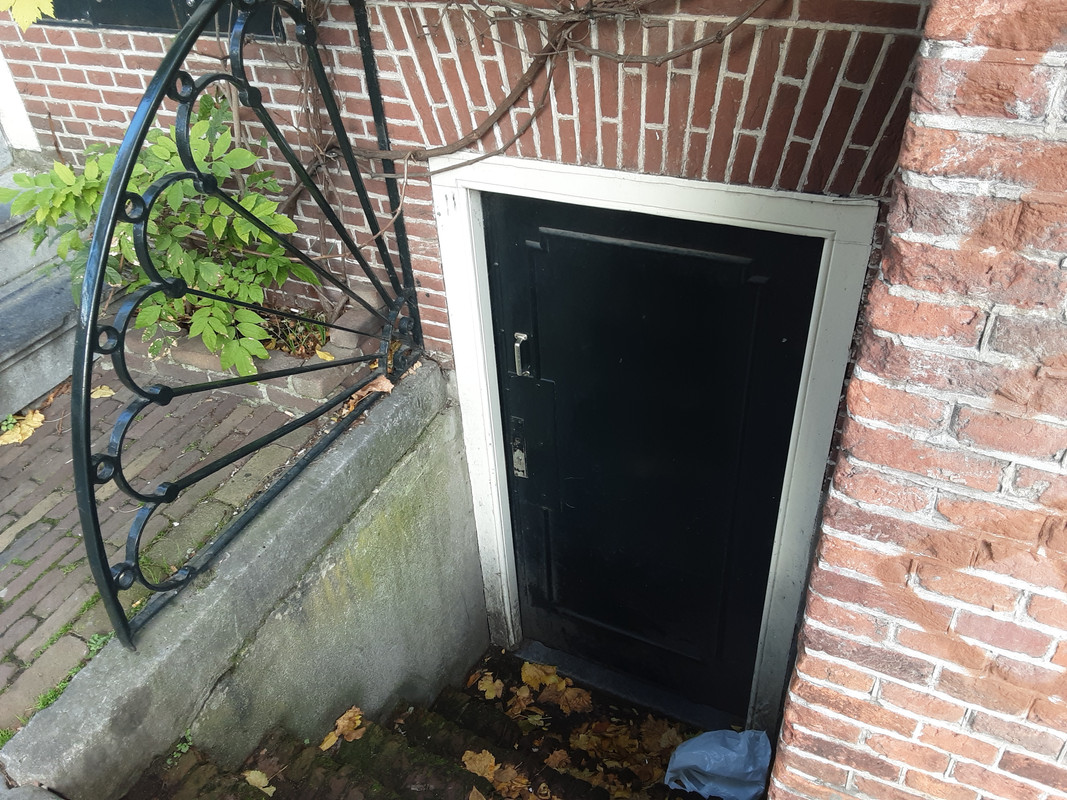
I noticed a lot of houses did have cellars in Amsterdam. Many of these had steps descending into them from street level and most appeared to me to have been converted into flats. They appeared to be beneath the canal water level and presumably beneath the ground water level, which is never far beneath the surface in Holland. When originally built, these cellars would have been used for storage. Being beneath the water table would not necessarily have resulted in frequent catastrophic flooding, provided that evaporation balances the rate of seepage through the walls. But it would have made these cellars rather damp places, vulnerable to fungal infestation. To be habitable or suitable for storage of perishable items, tanking would be required, in addition to forced ventilation. That can get expensive, as even small leaks can result in high humidity that fungus will take advantage of.
My own cellar in the UK has exactly this problem. My house is 200 years old and was once a bakery. Flour was stored in the damp cellar, hanging from iron hooks in the floor joists above. I can only conclude that this arrangement was tolerable because flour was used quickly upon receipt, without giving it chance to rot. I have made some improvements over the years. A concrete floor. I have repointed some of the original lime mortar within the granite walls with less permeable cement. But damp is still a problem.
#84 Re: Not So Free Chat » Zaanse Schaanes Windmill Museum, Holland. » 2025-11-09 08:08:34
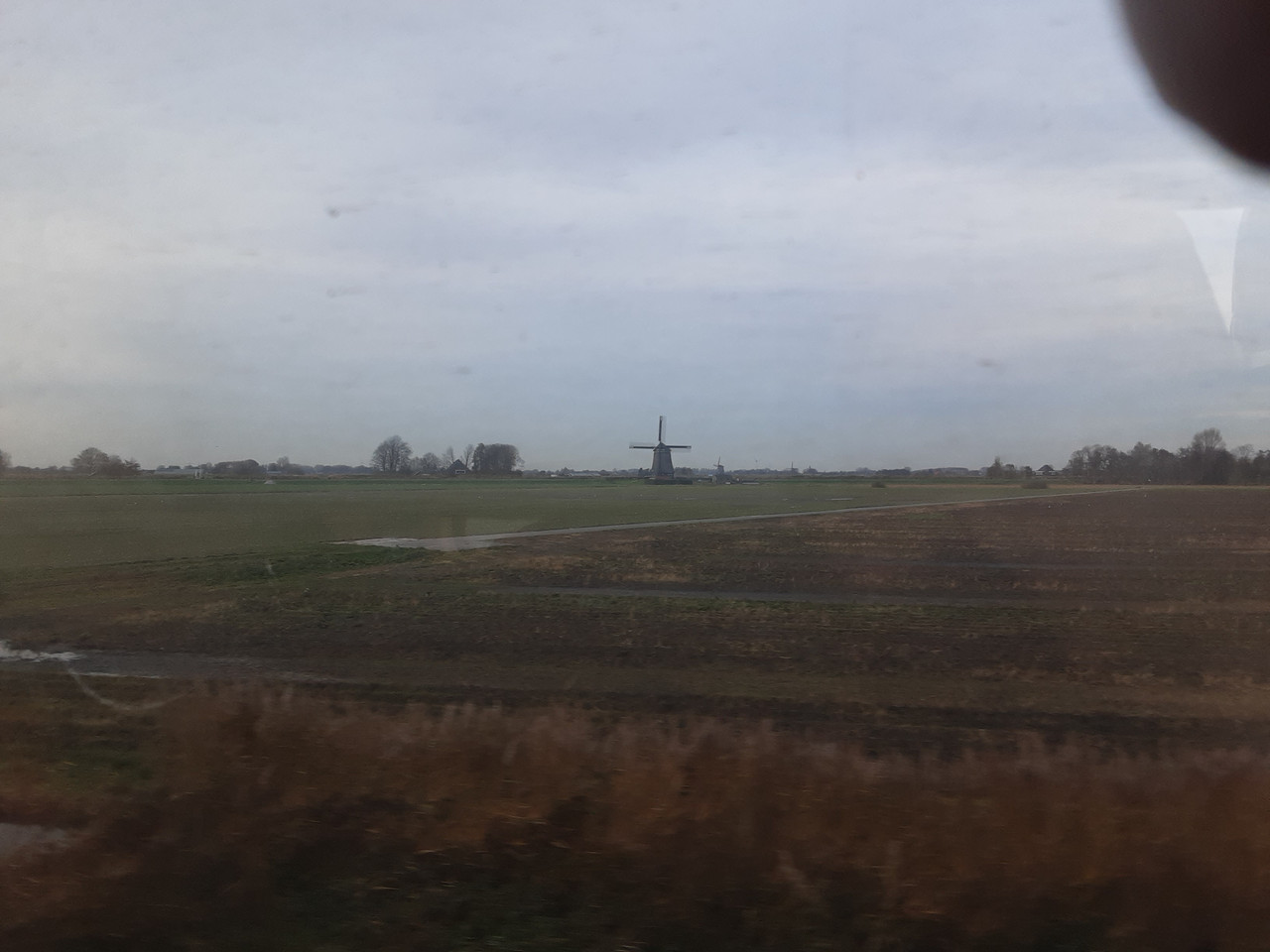
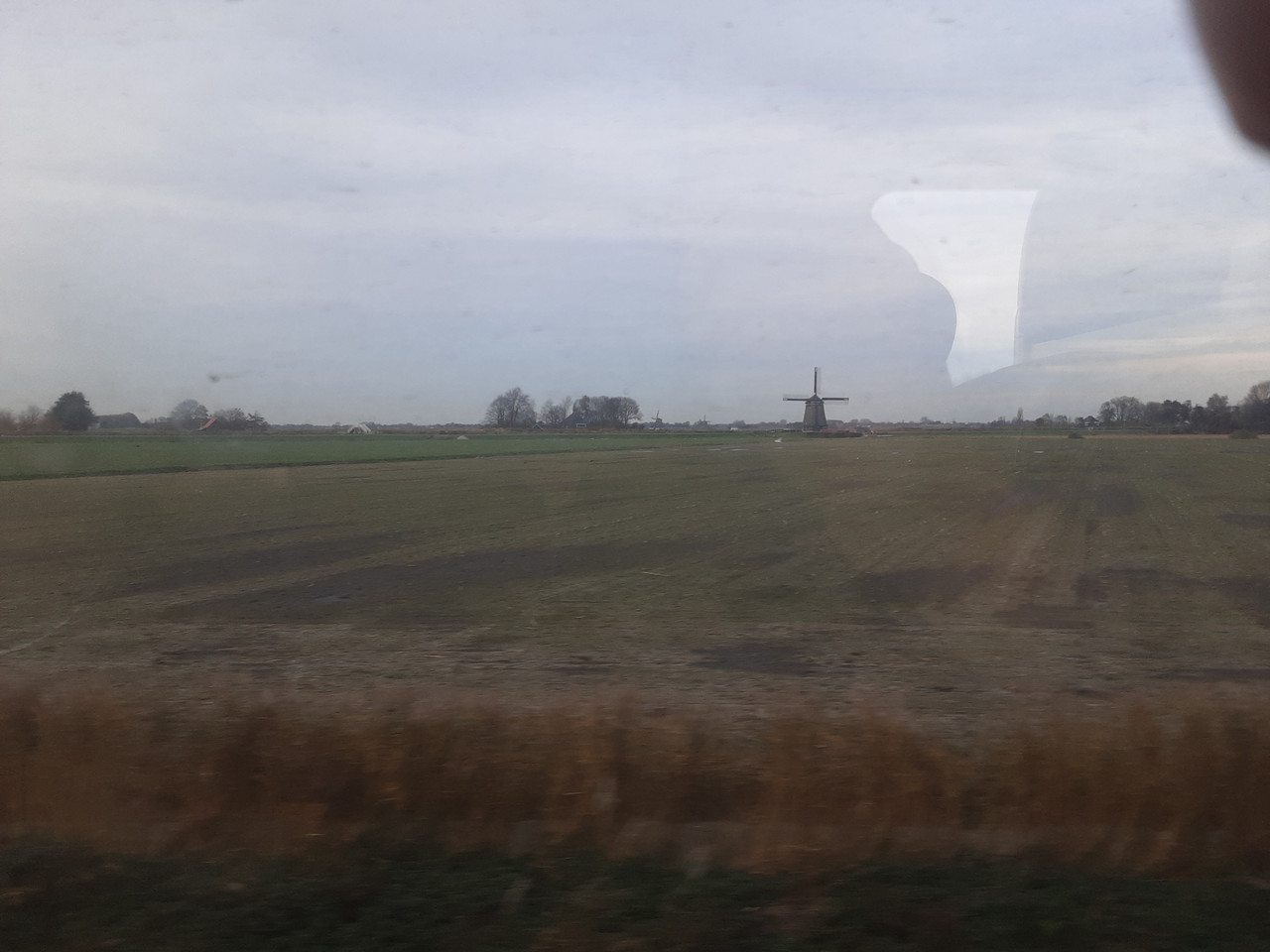
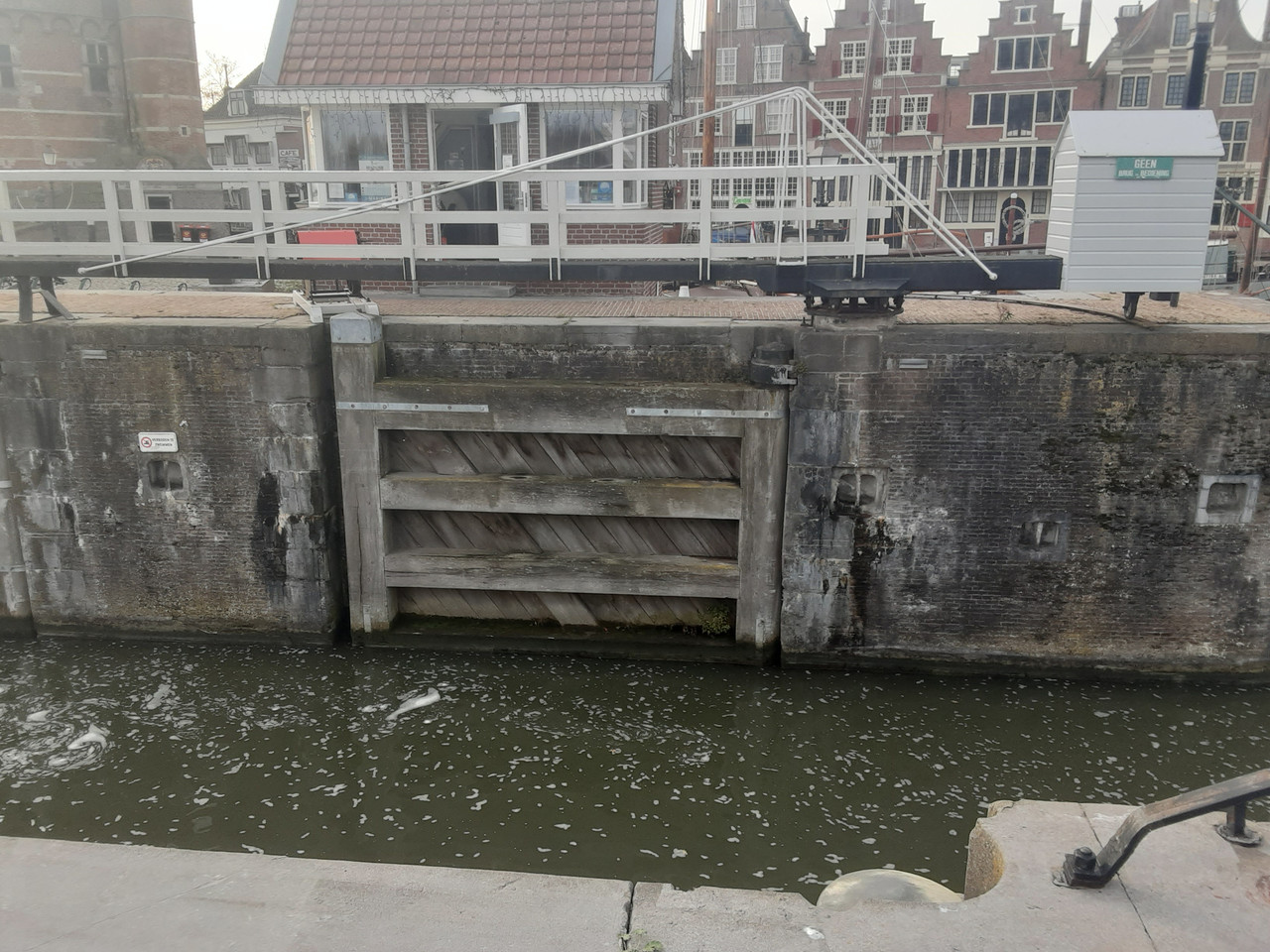
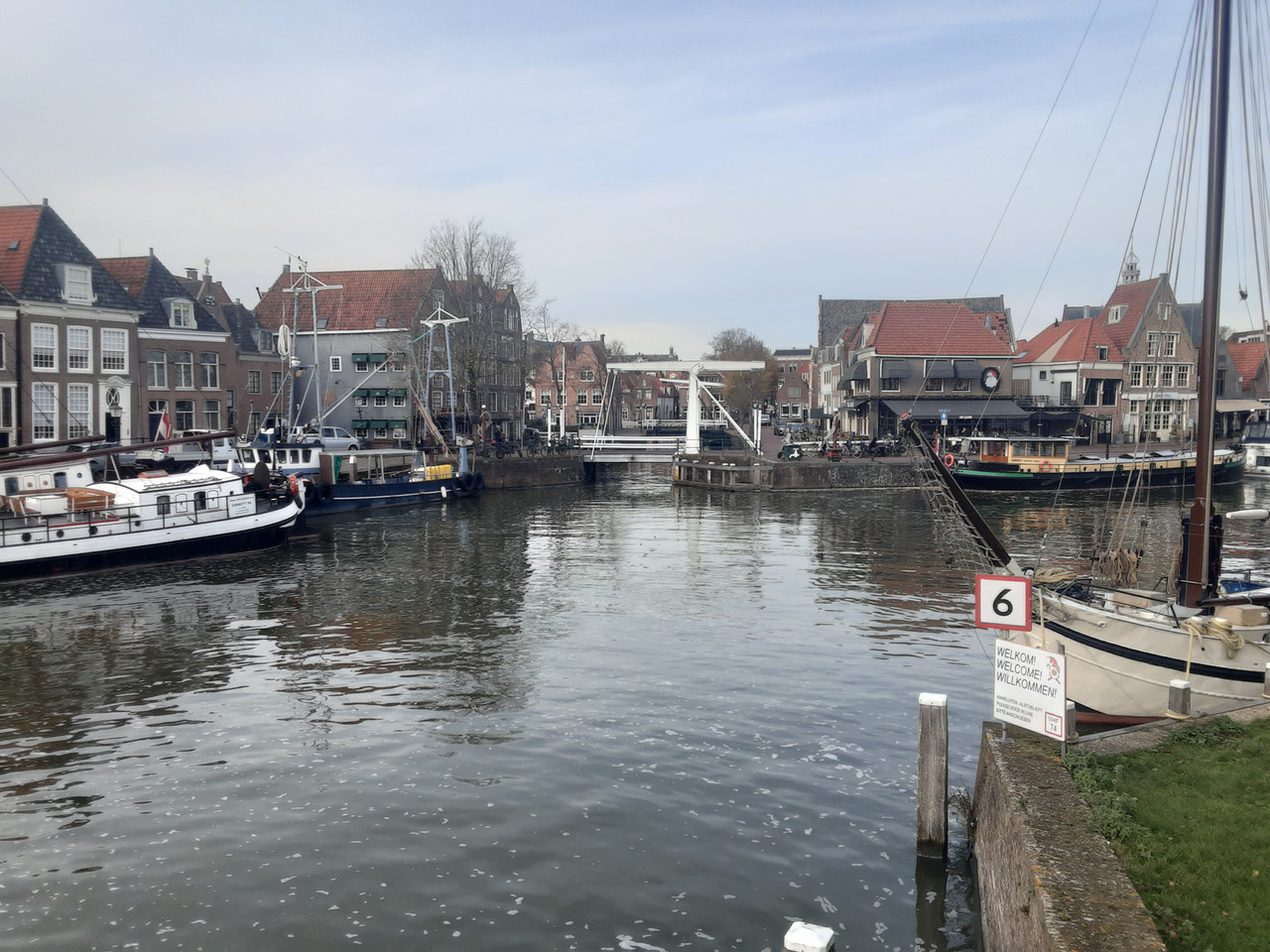
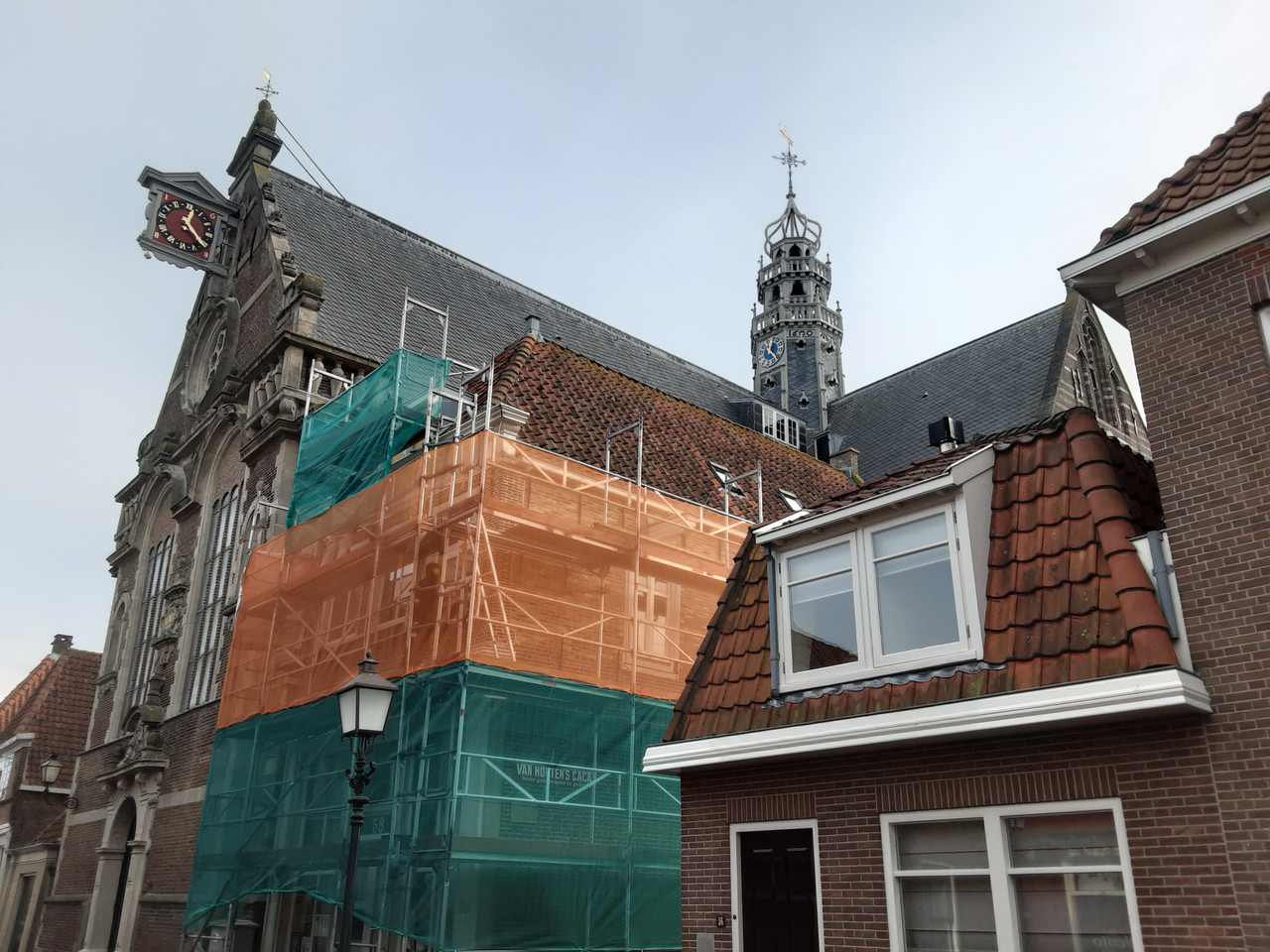
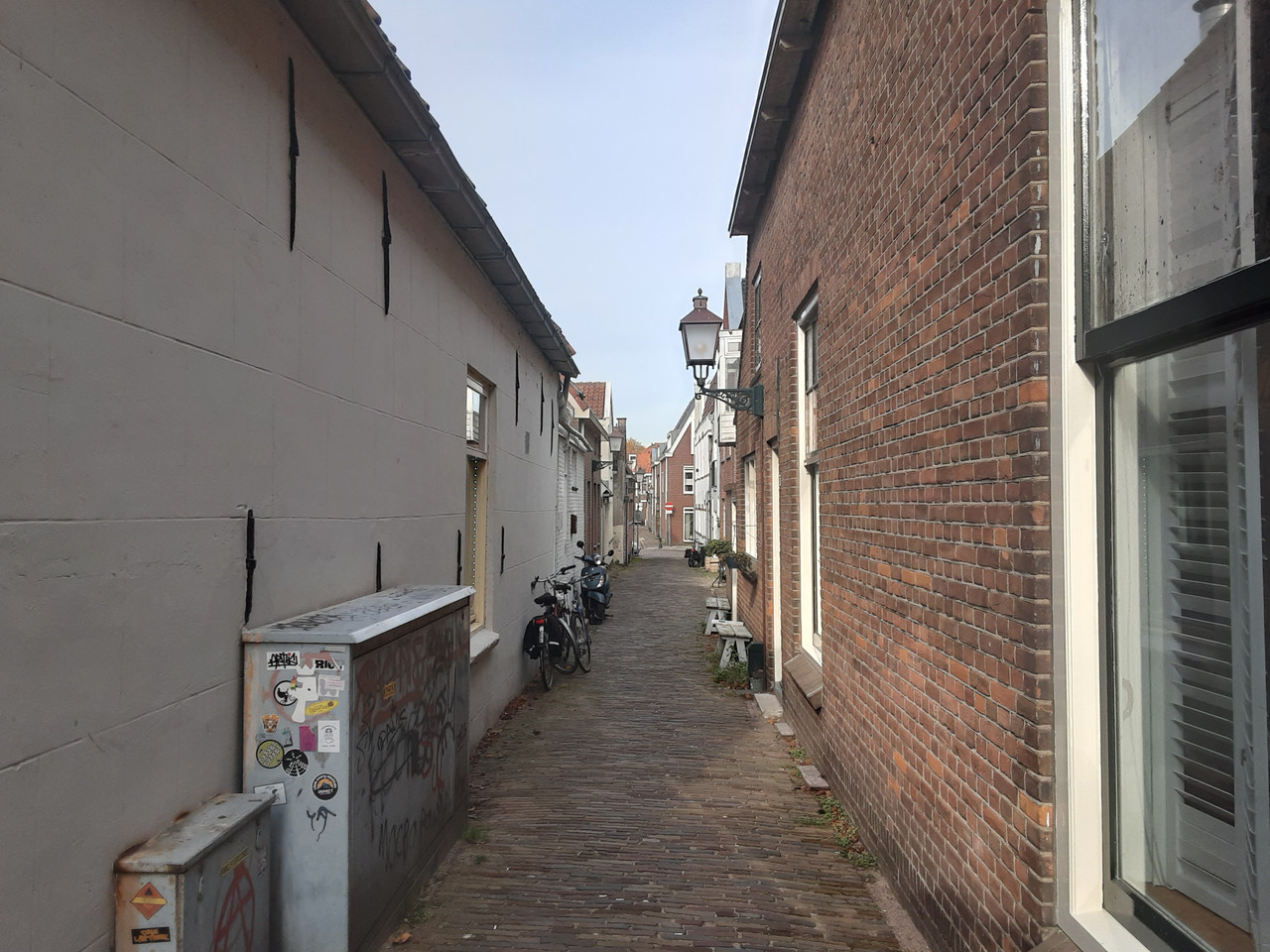
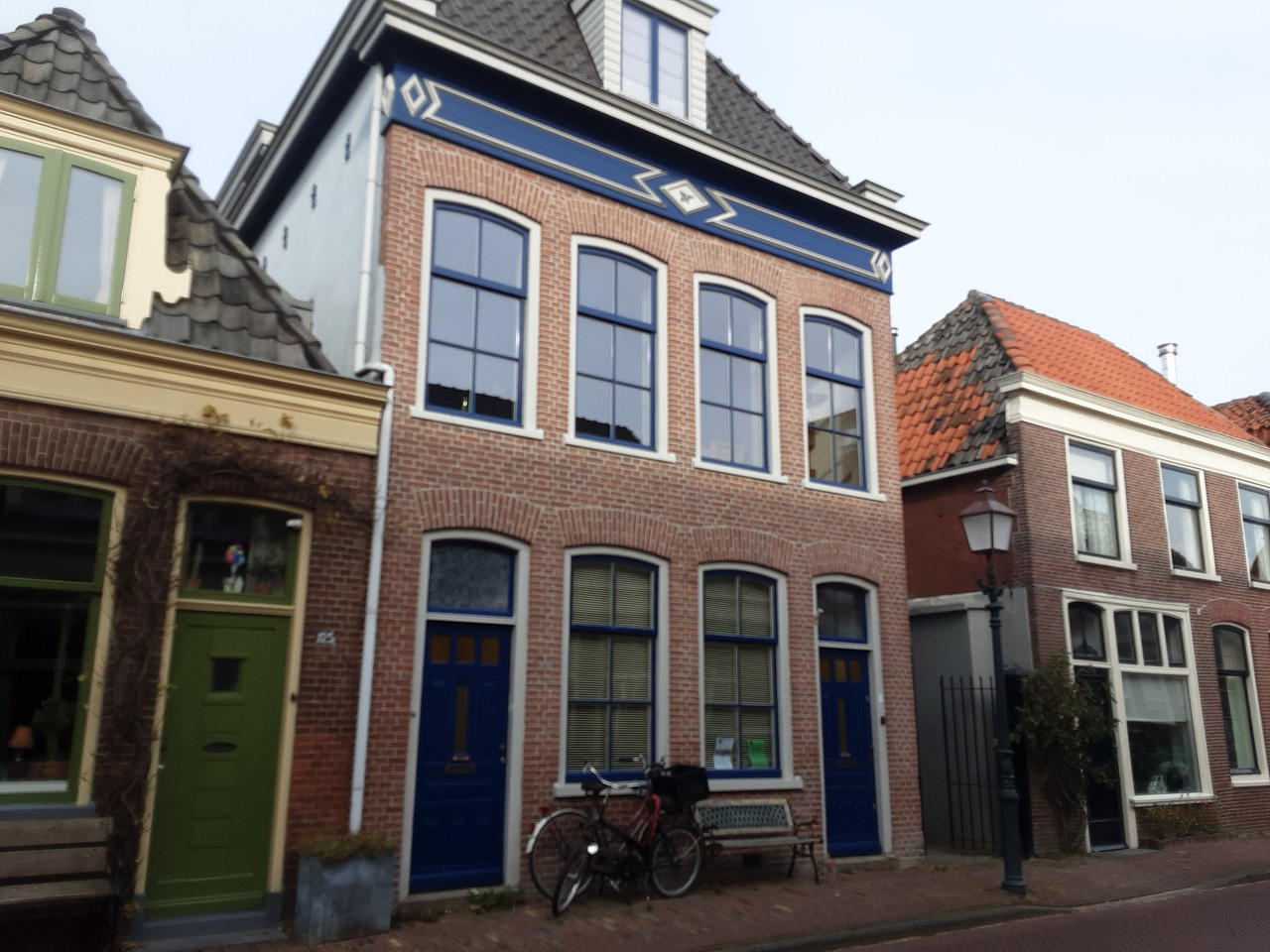
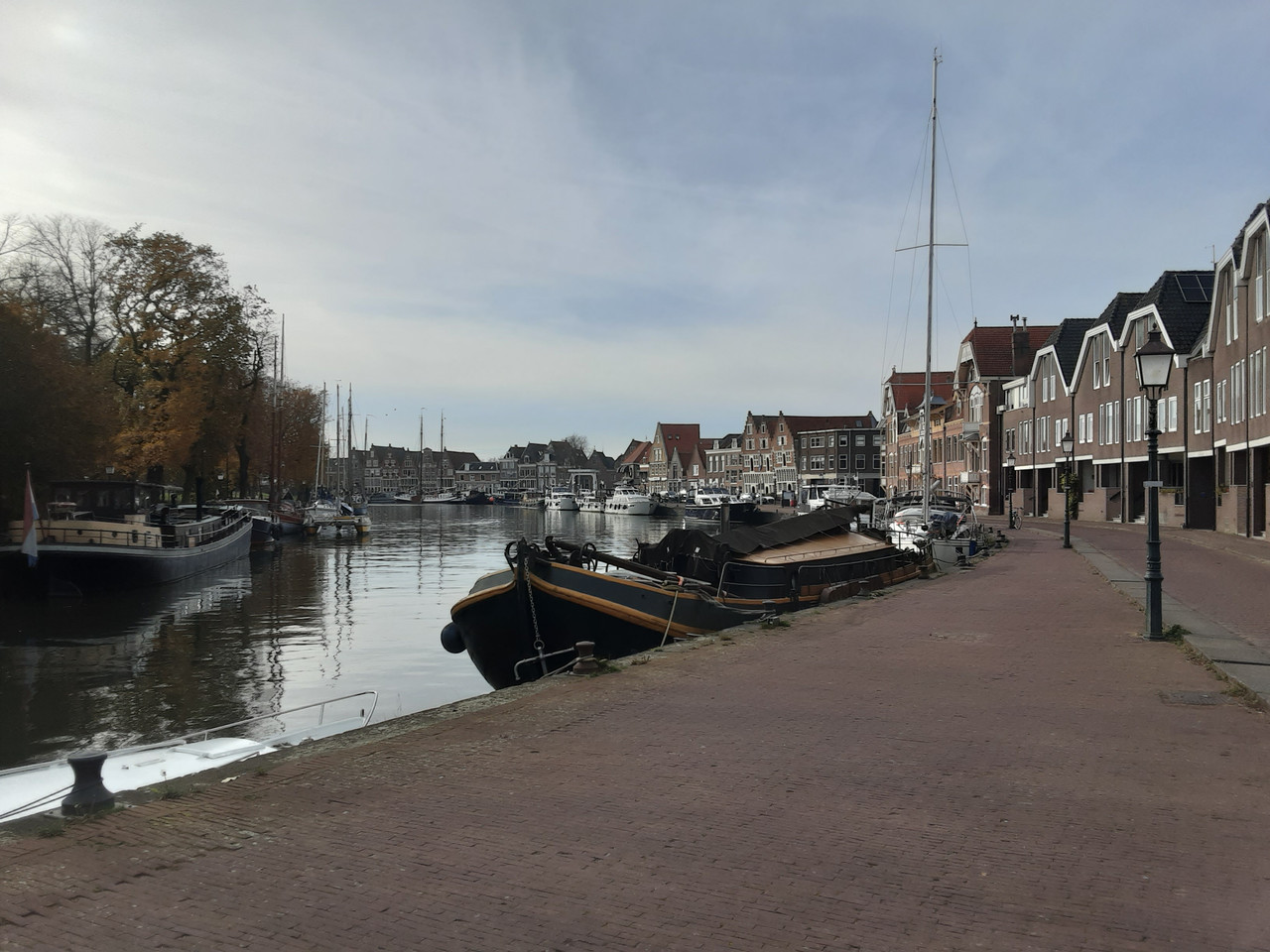
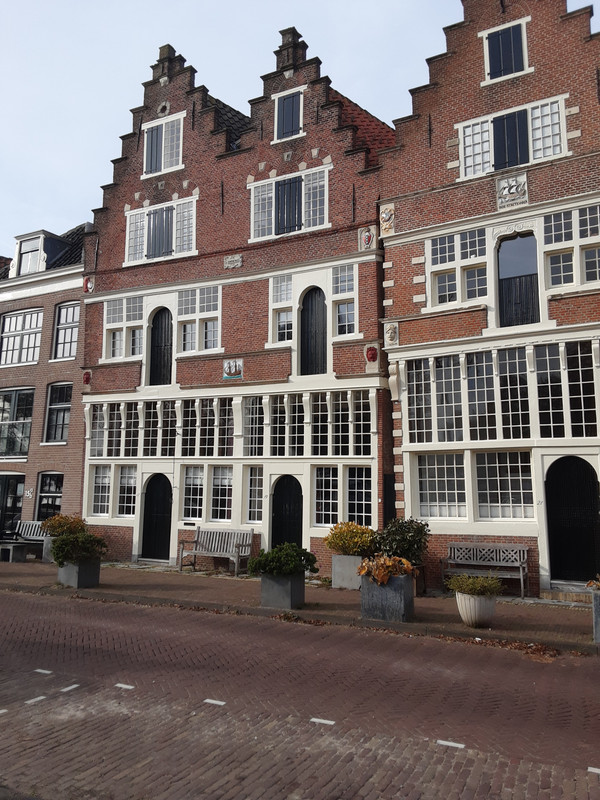
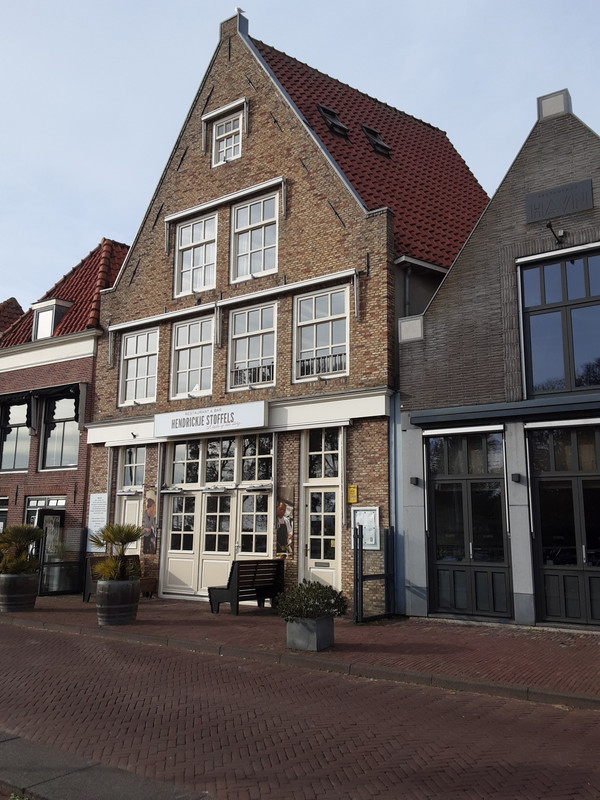
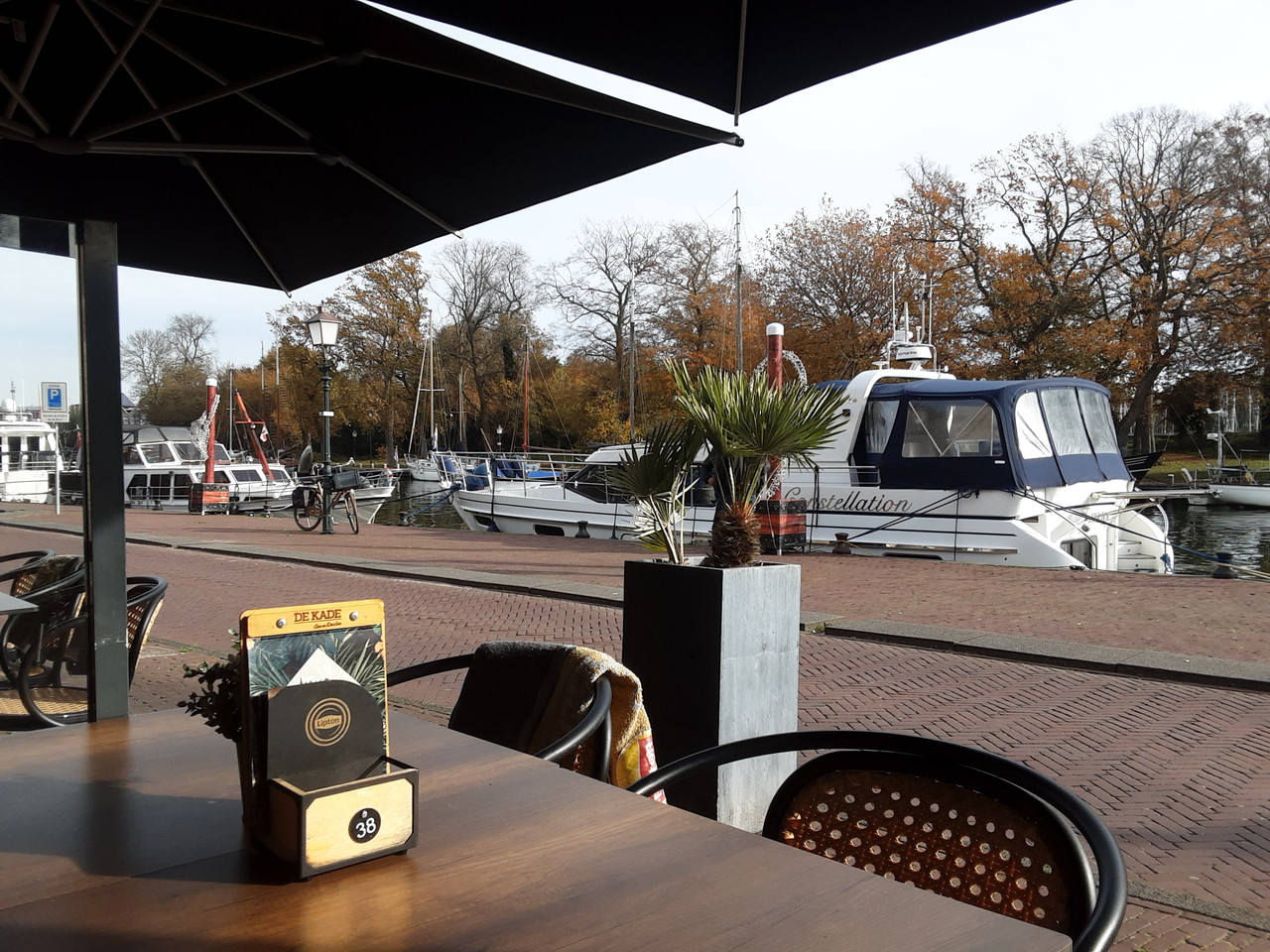
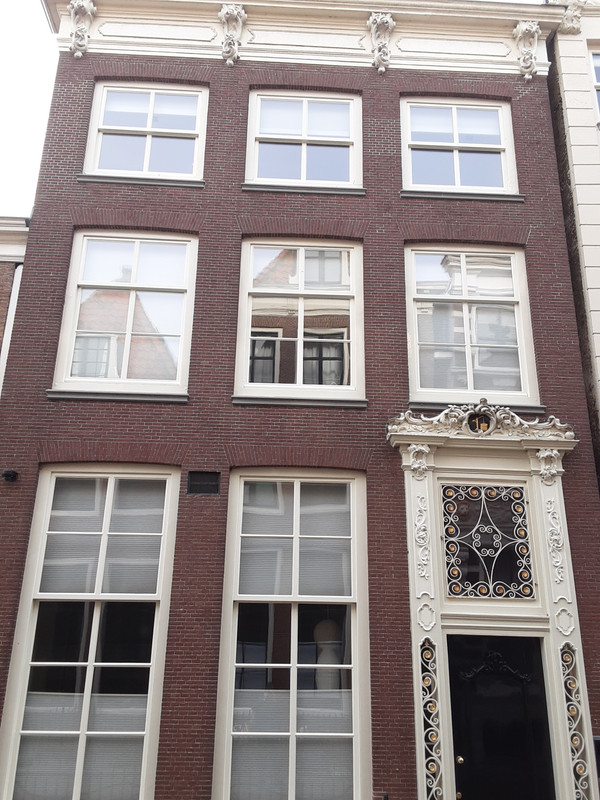
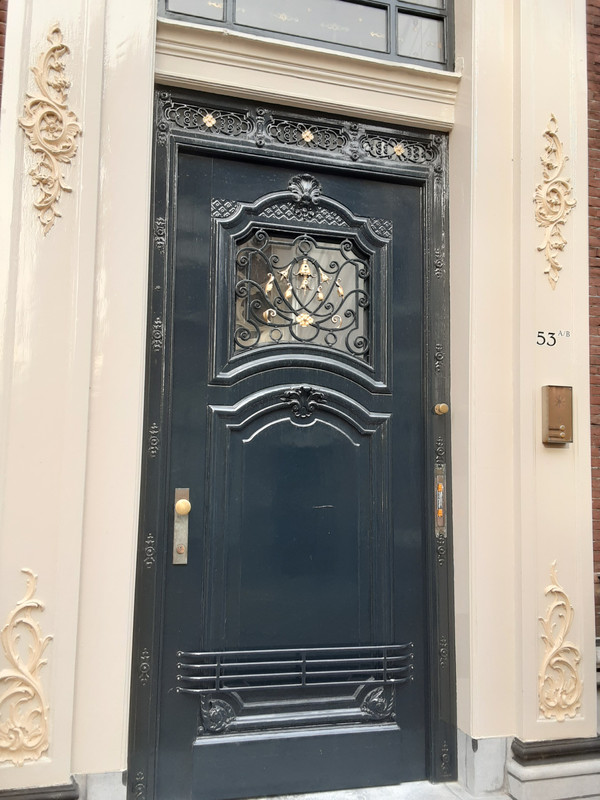
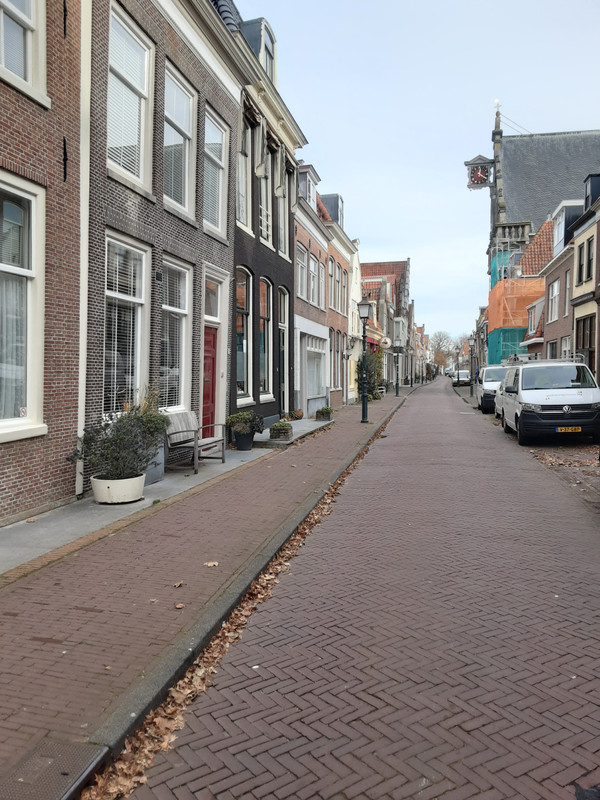
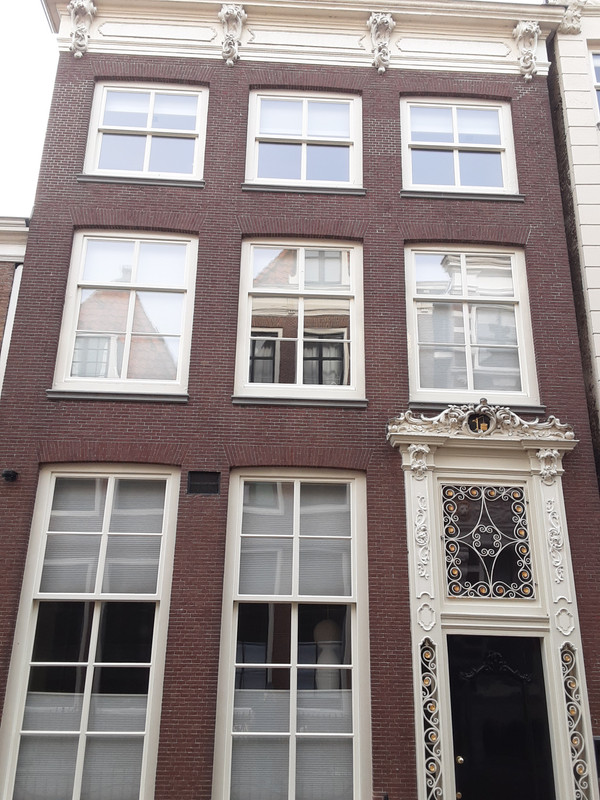
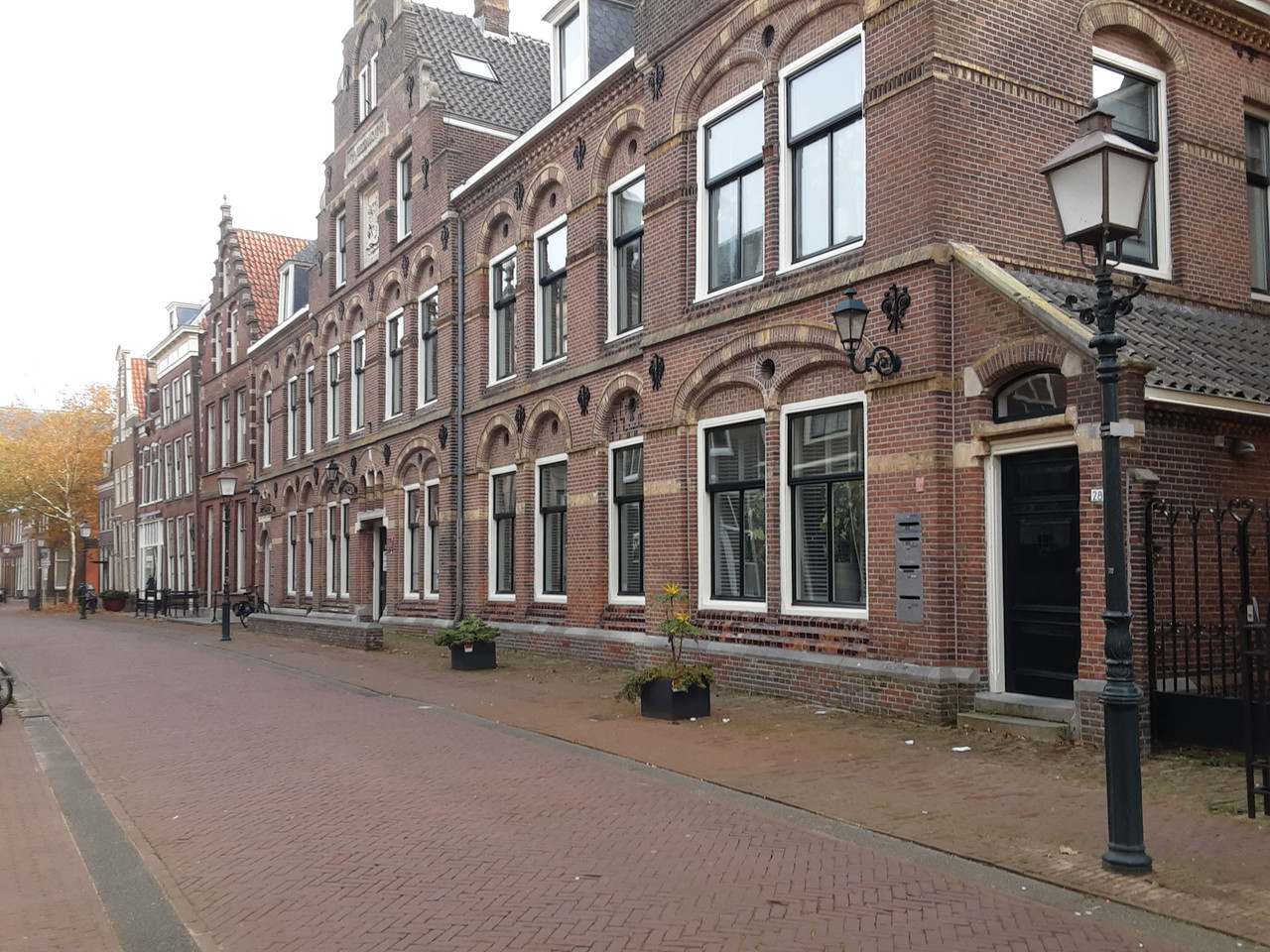
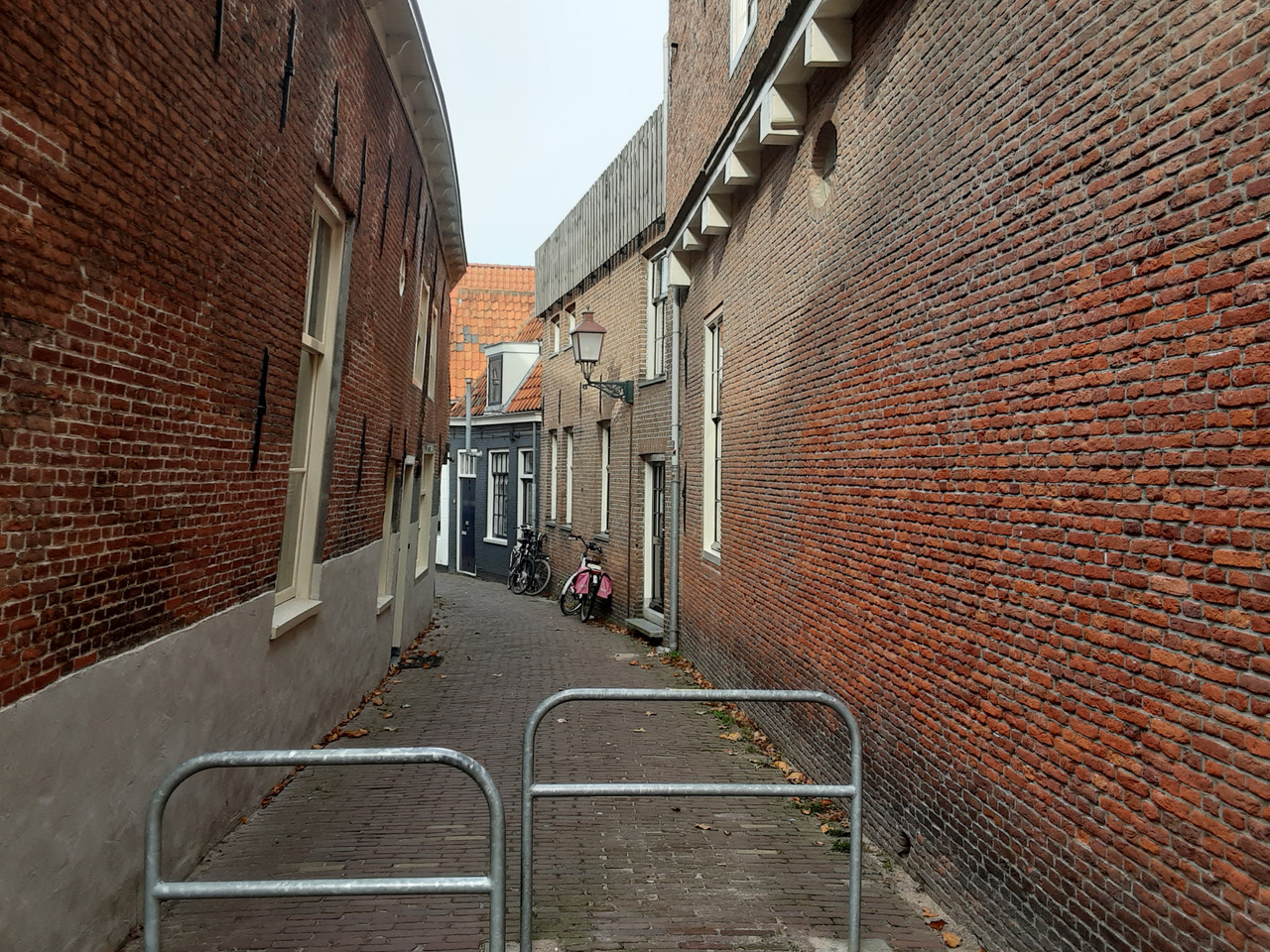
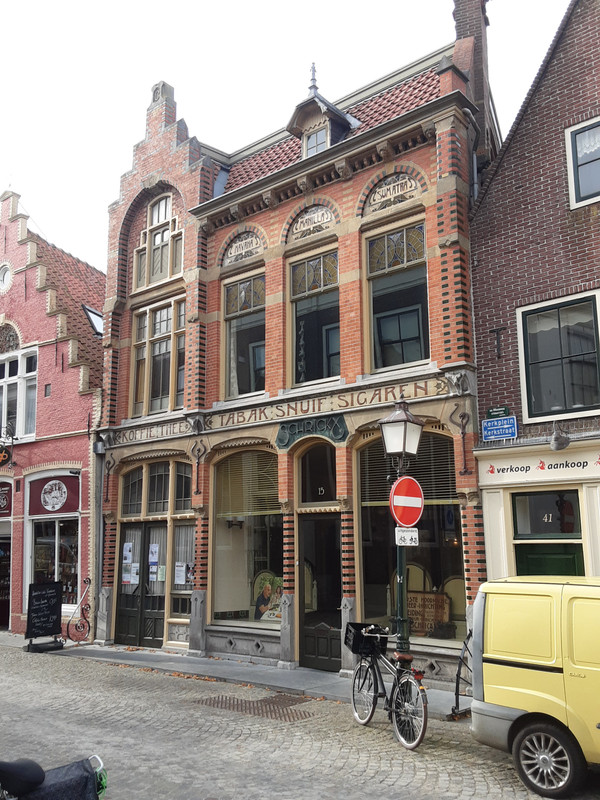
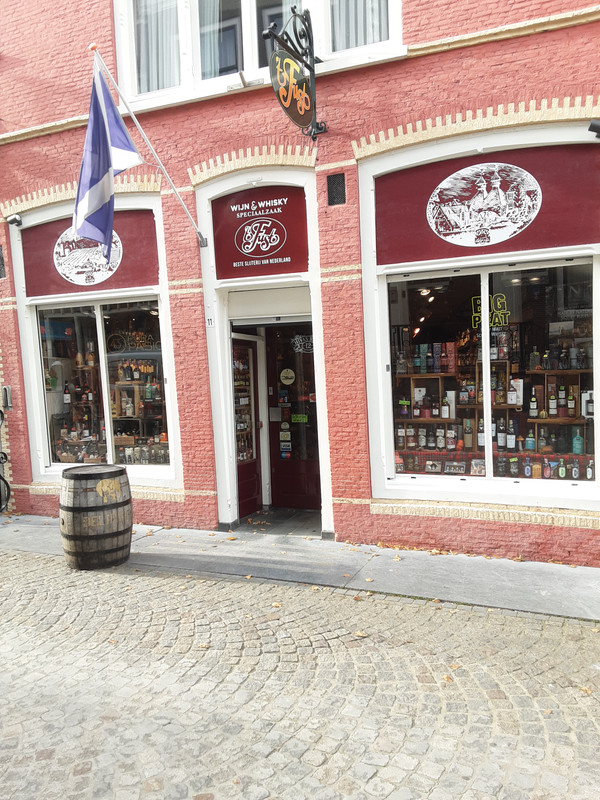
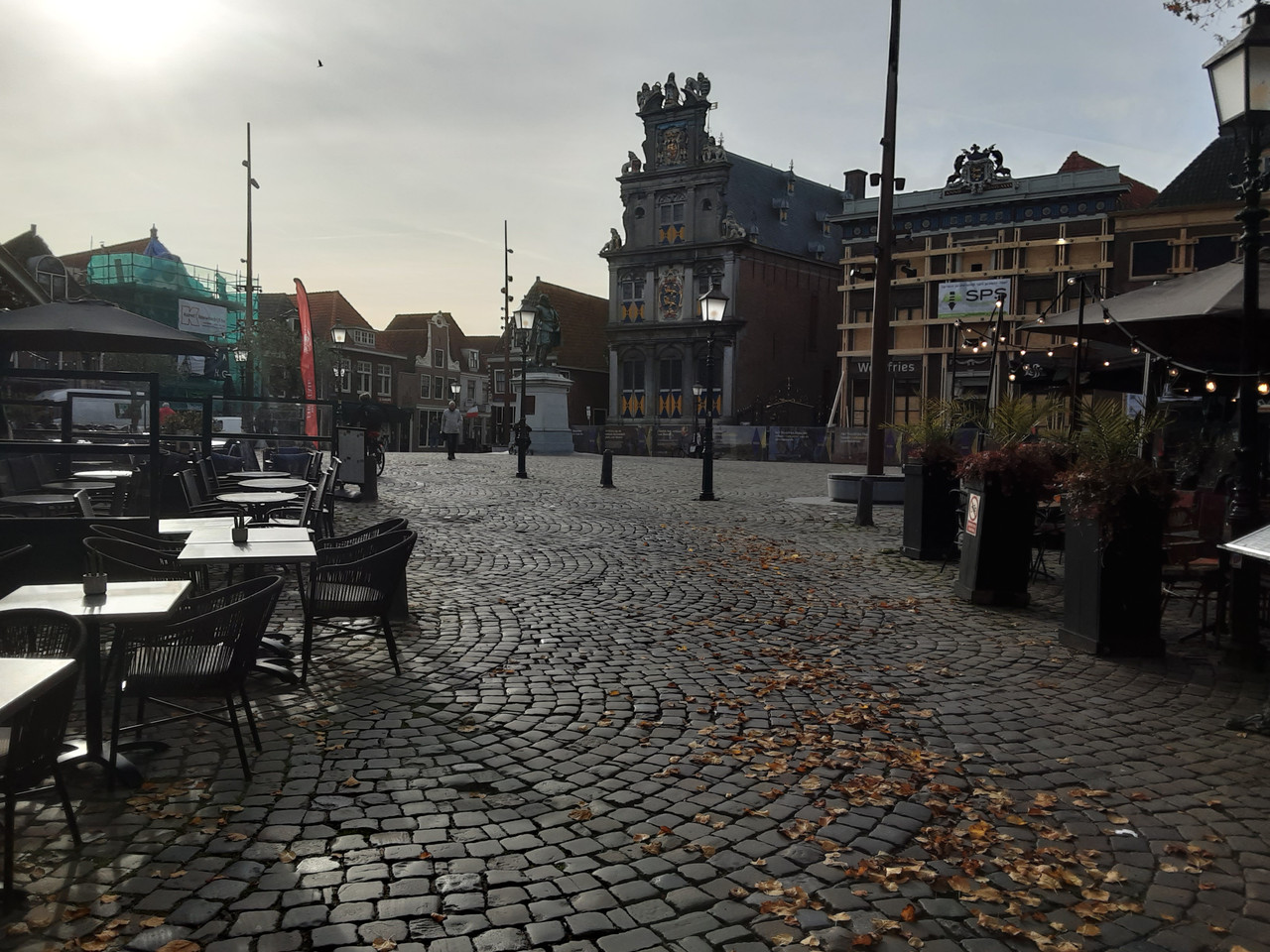
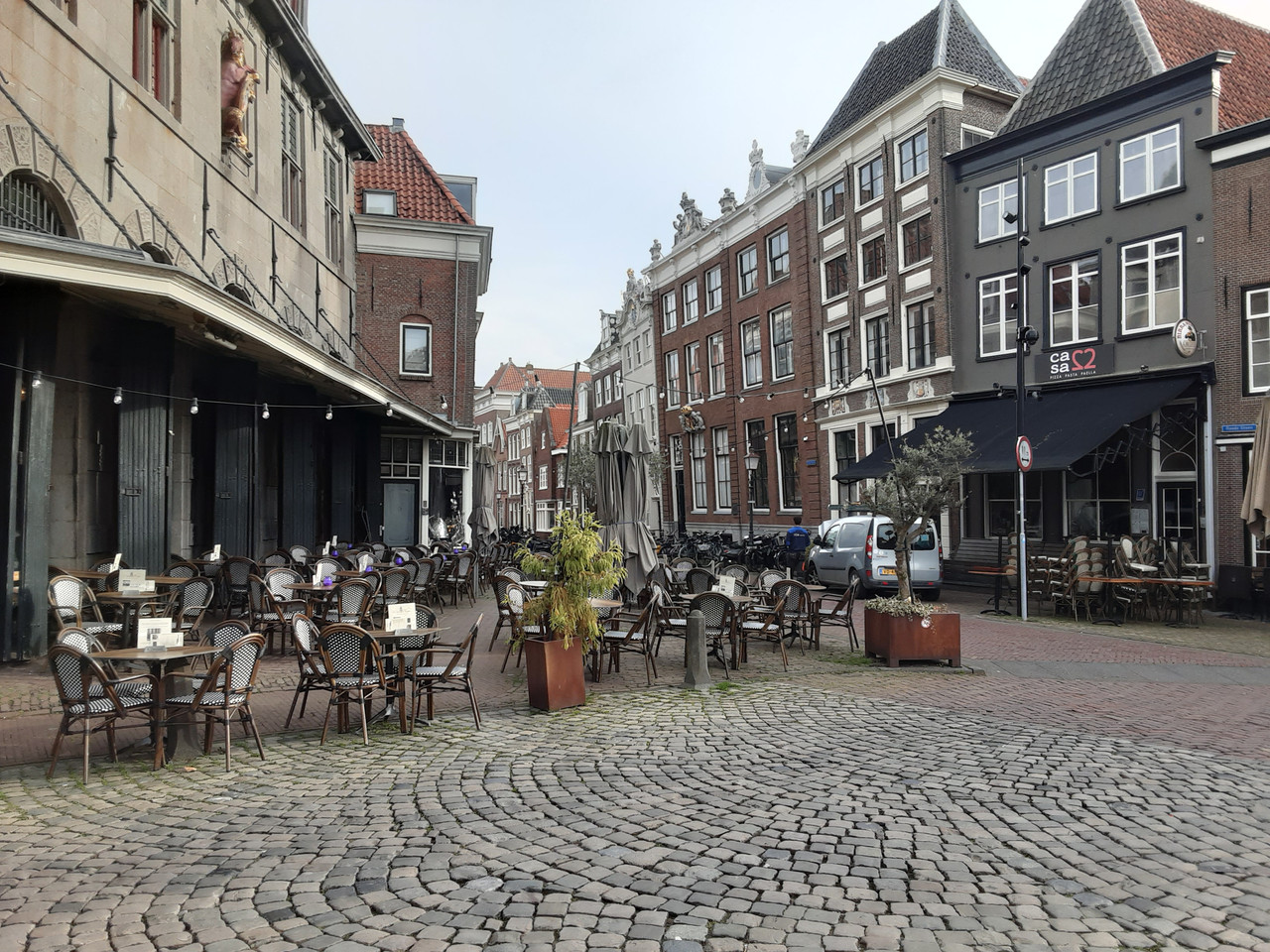
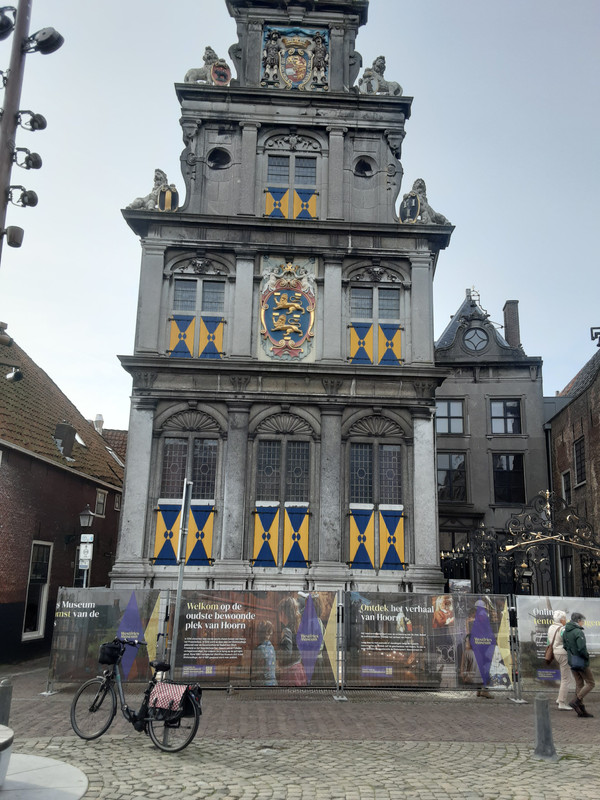
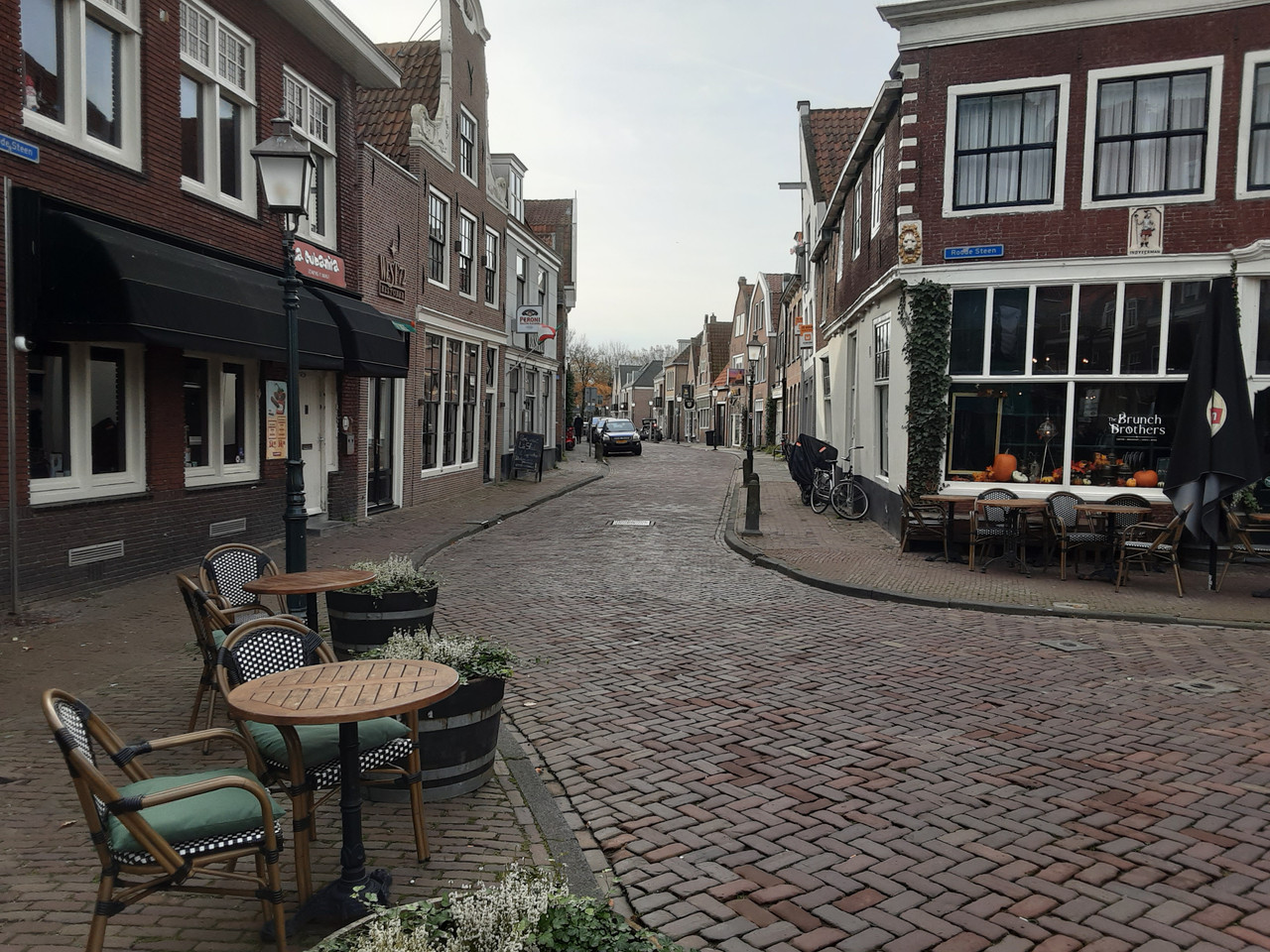
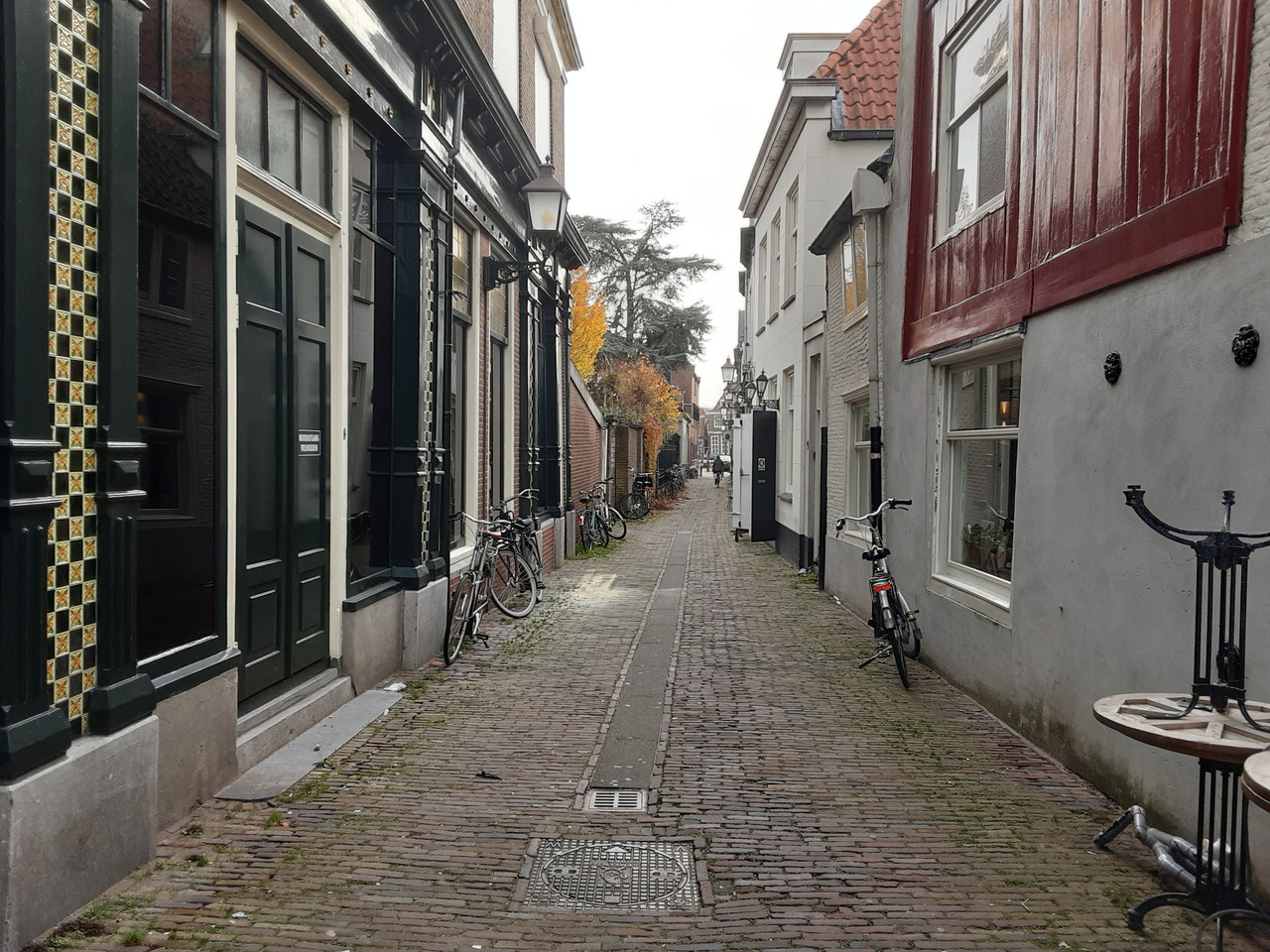
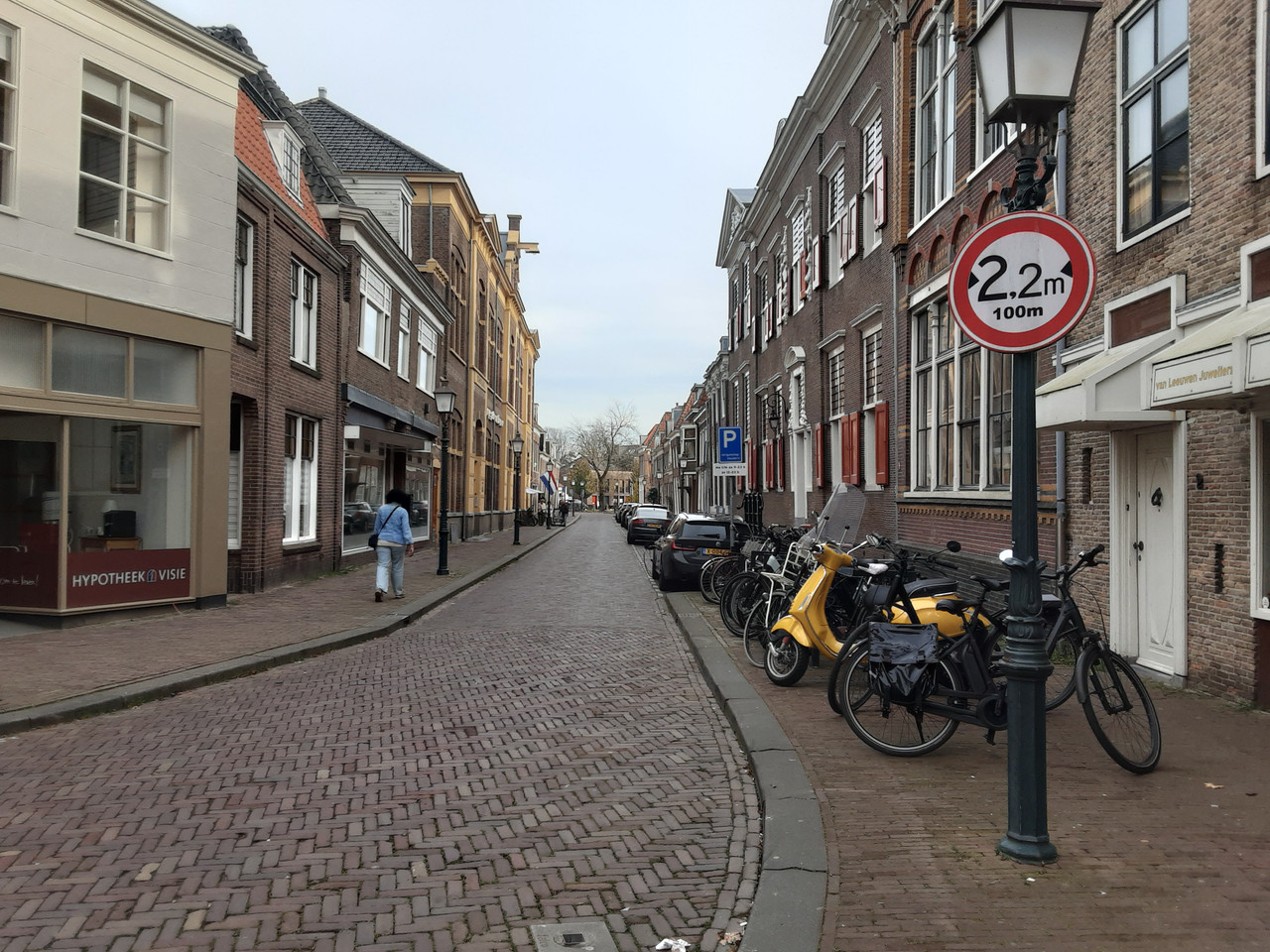
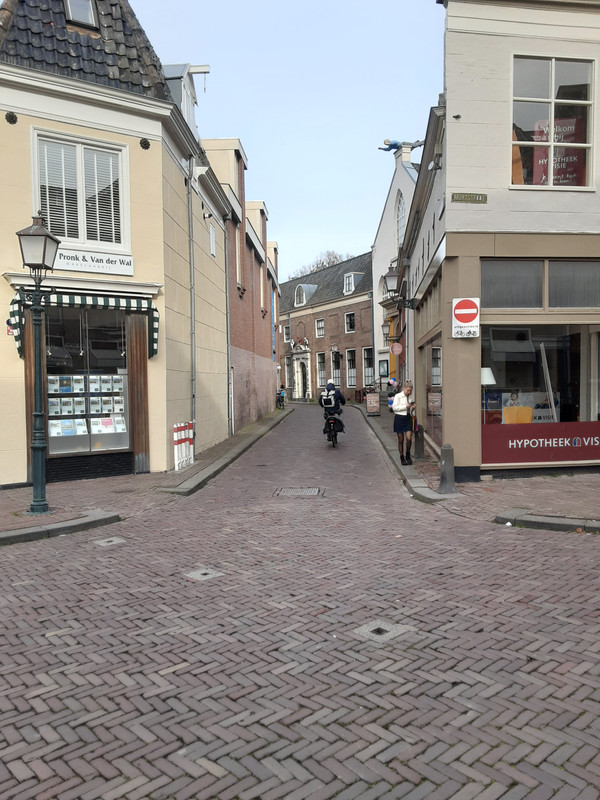
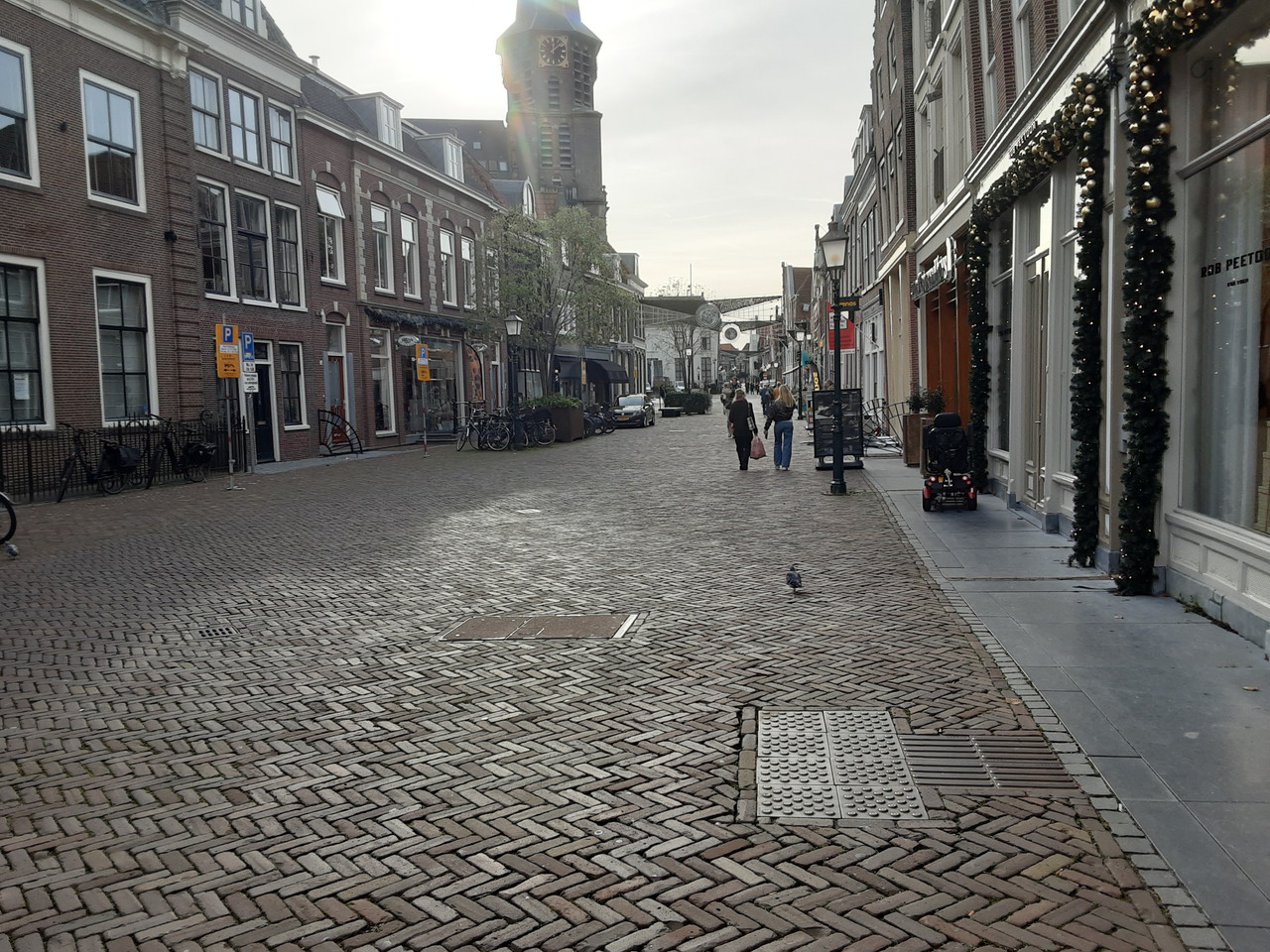
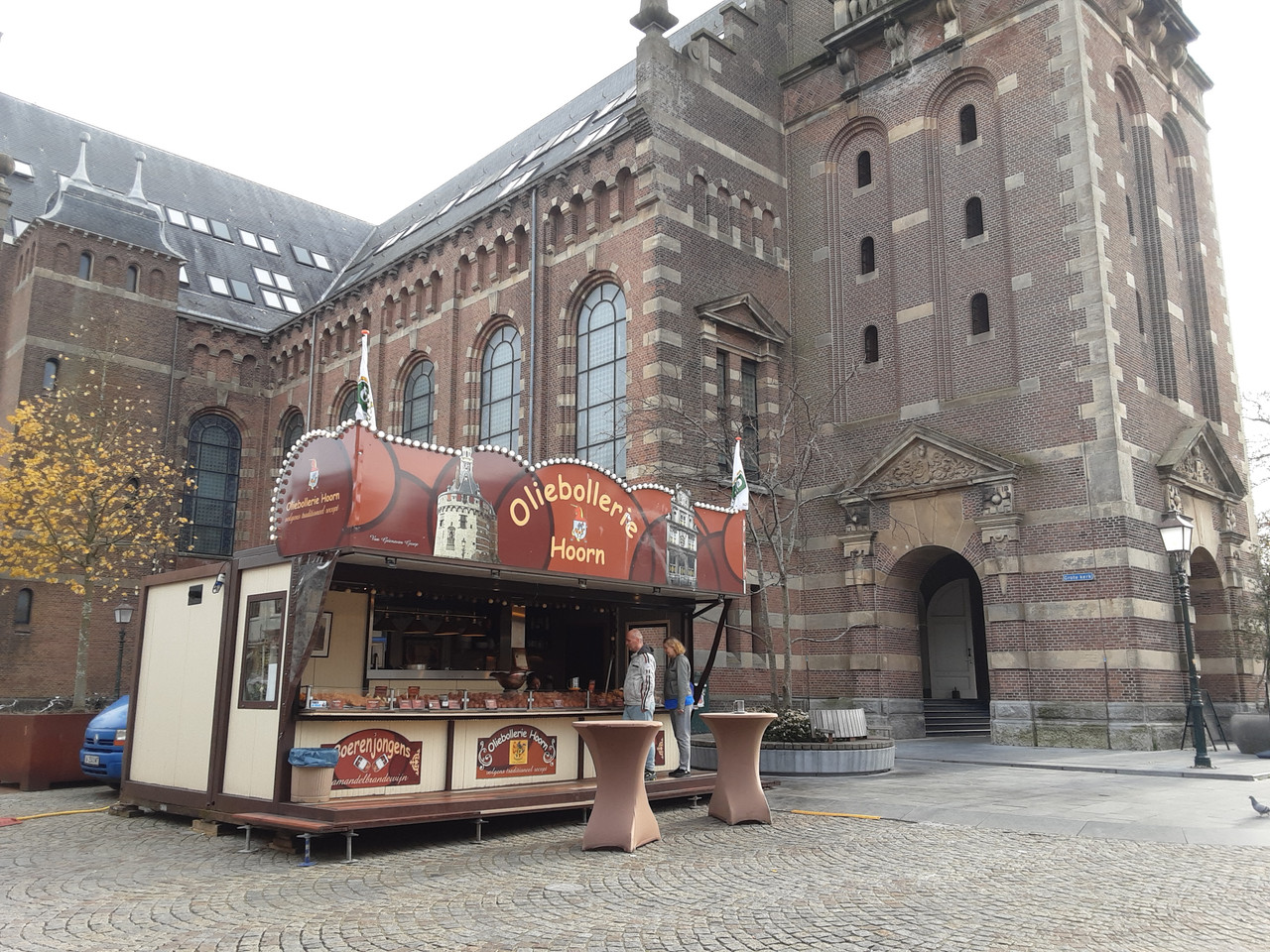
Back in the UK now. I took this batch of pictures in Hoorn in North-Holland.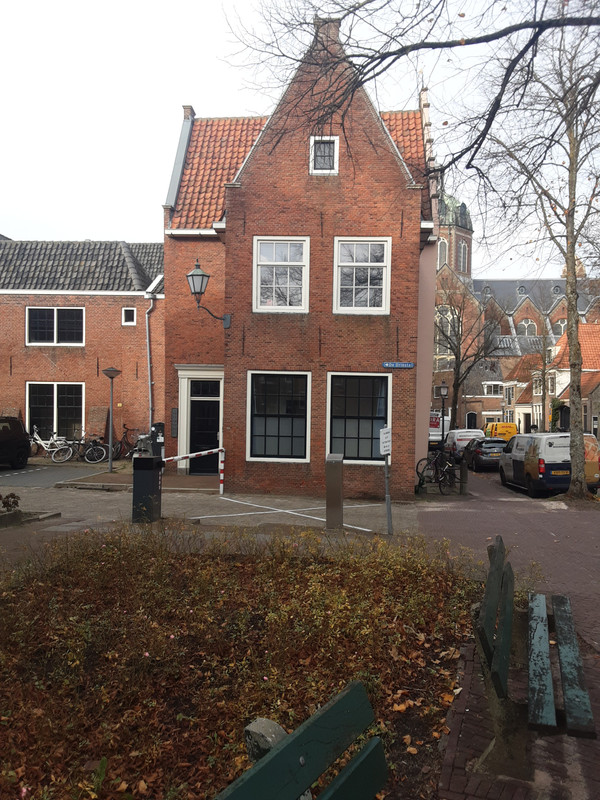
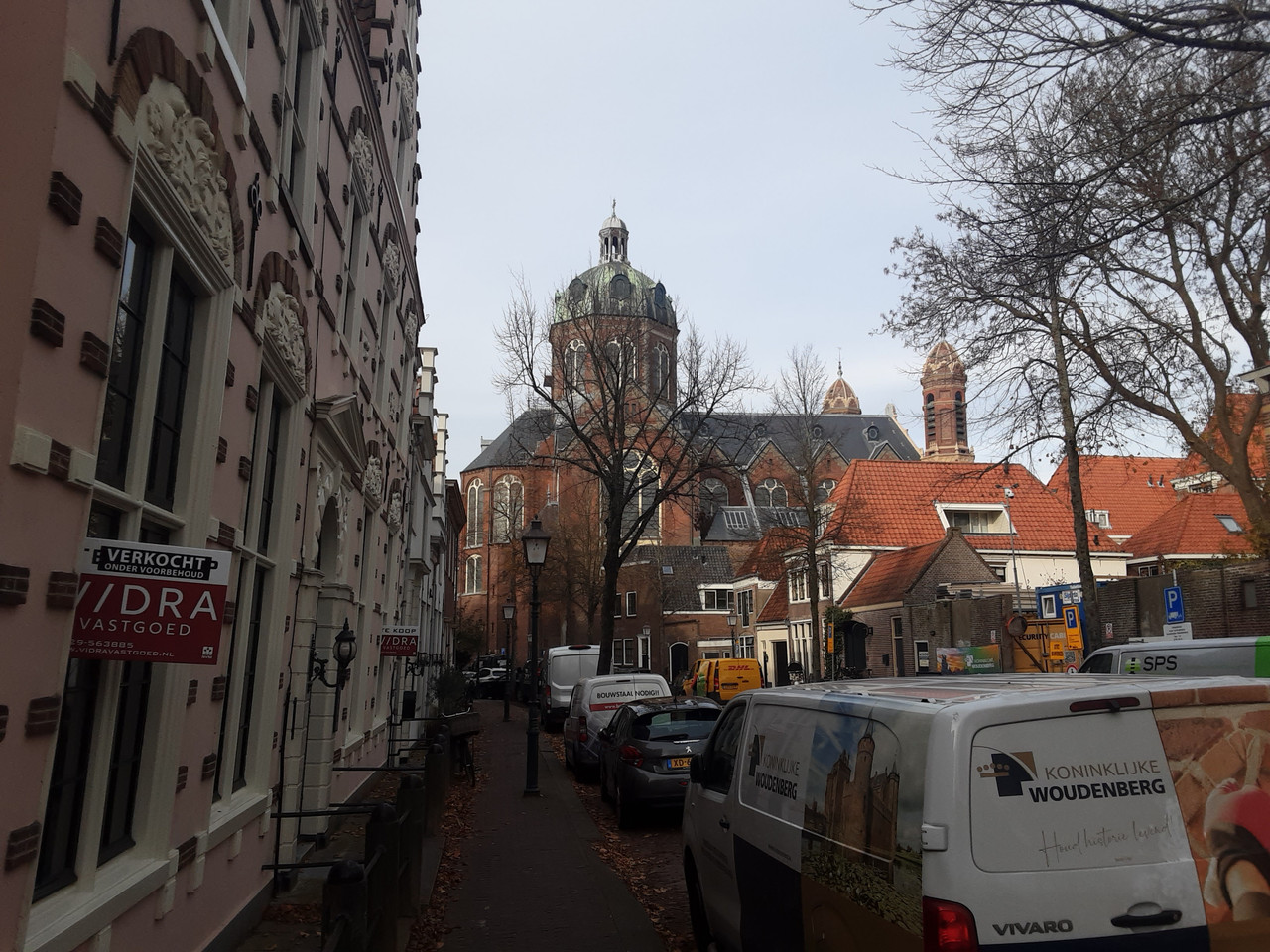
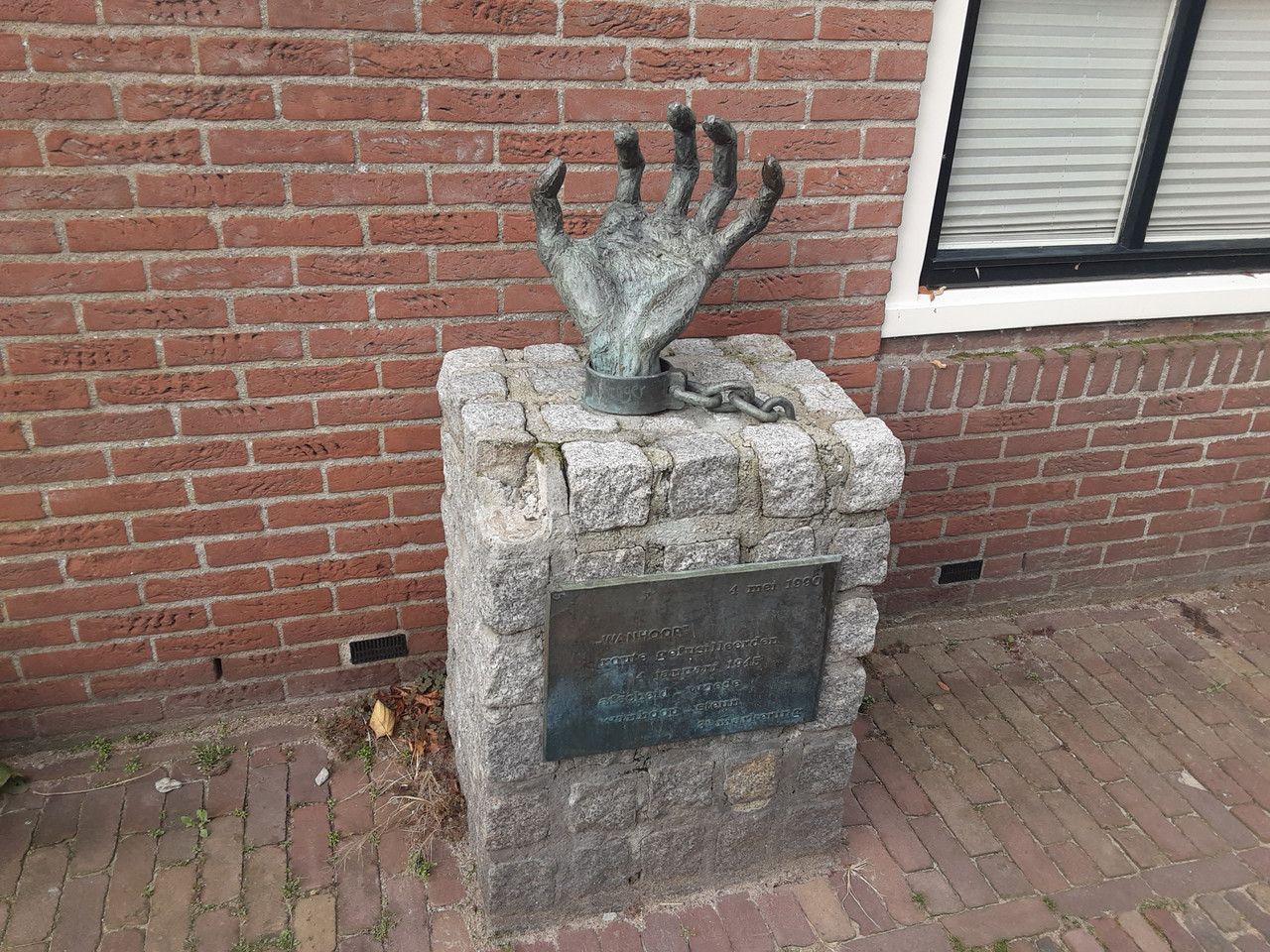
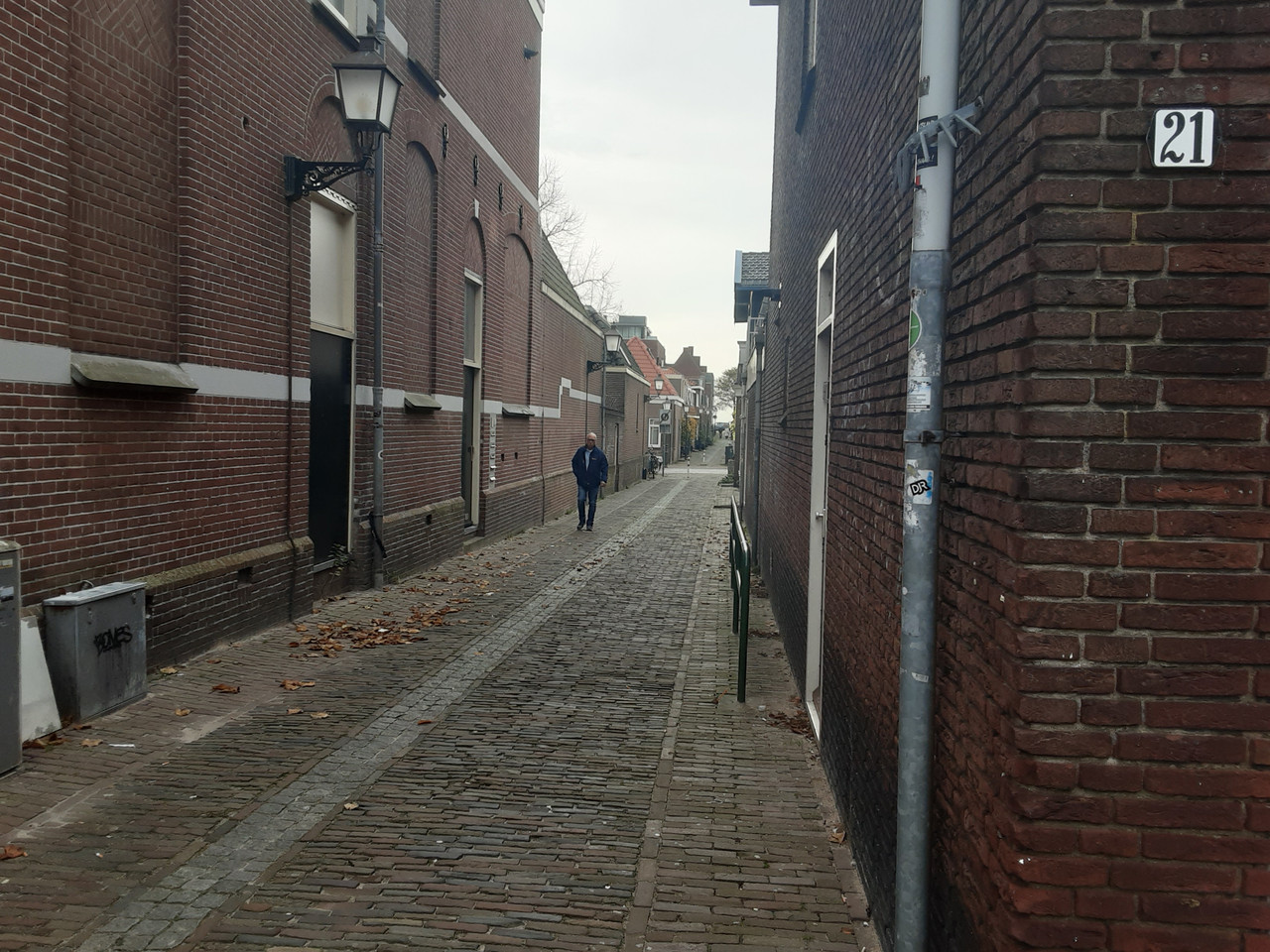
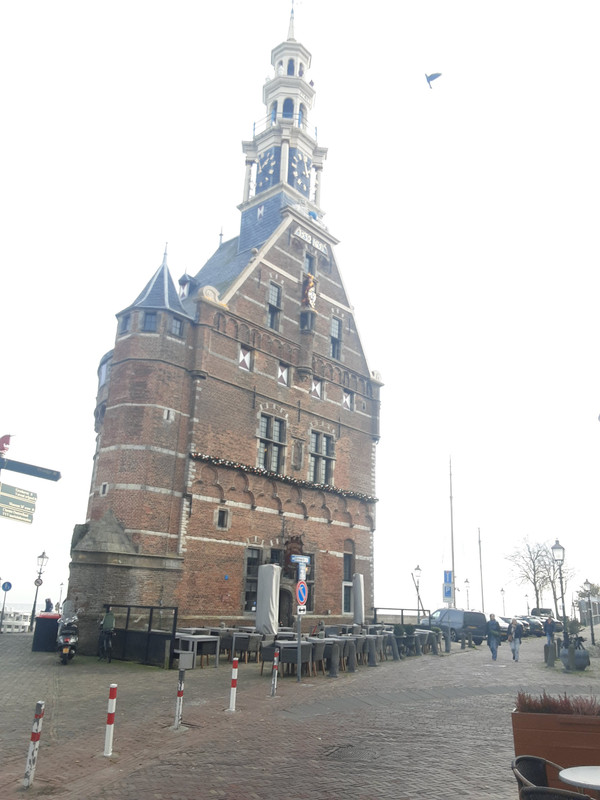
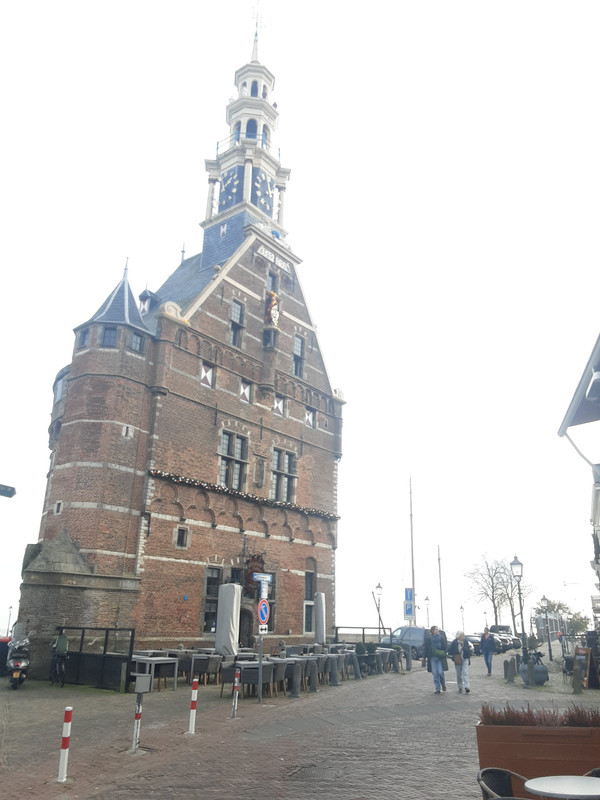
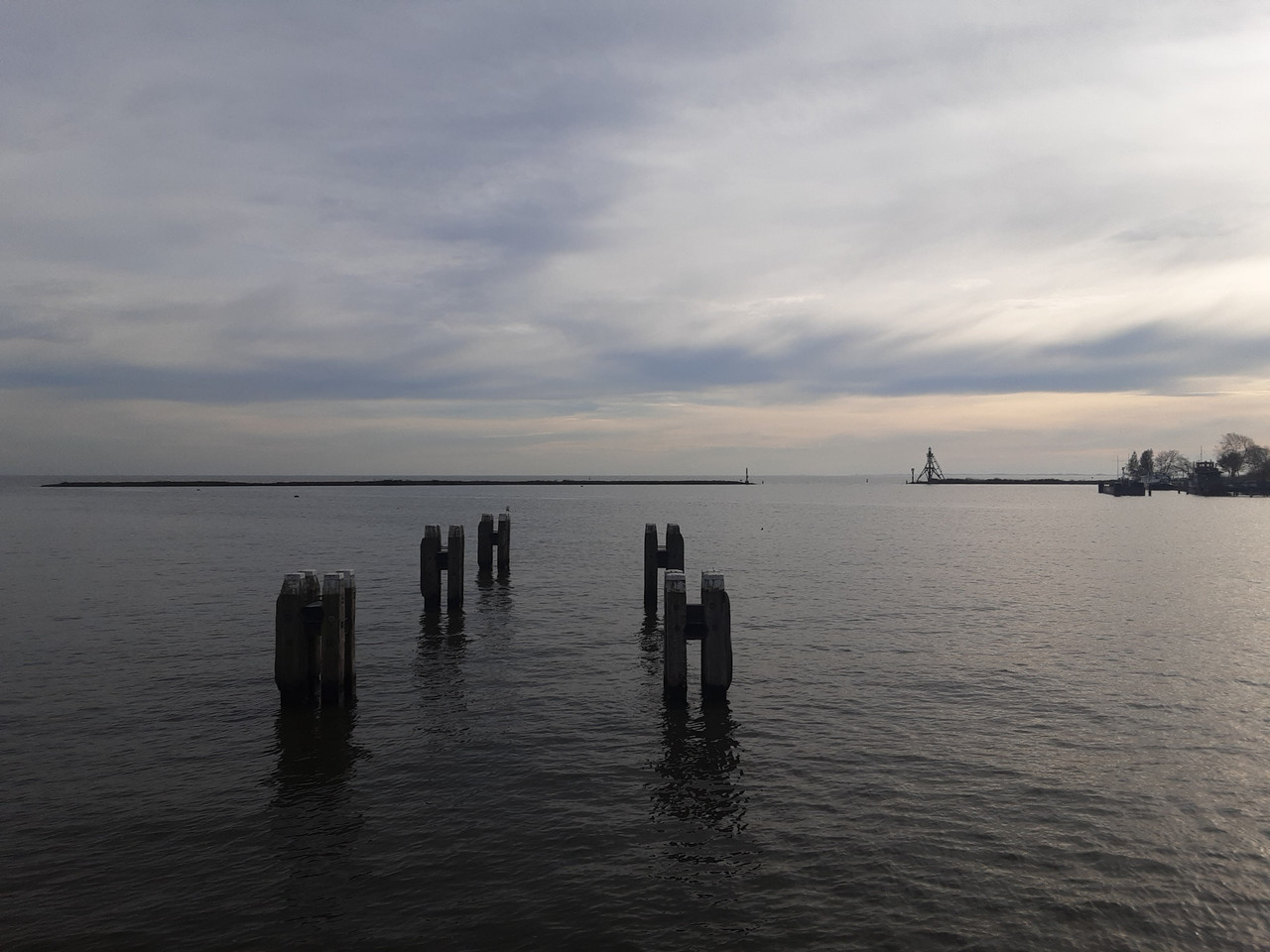
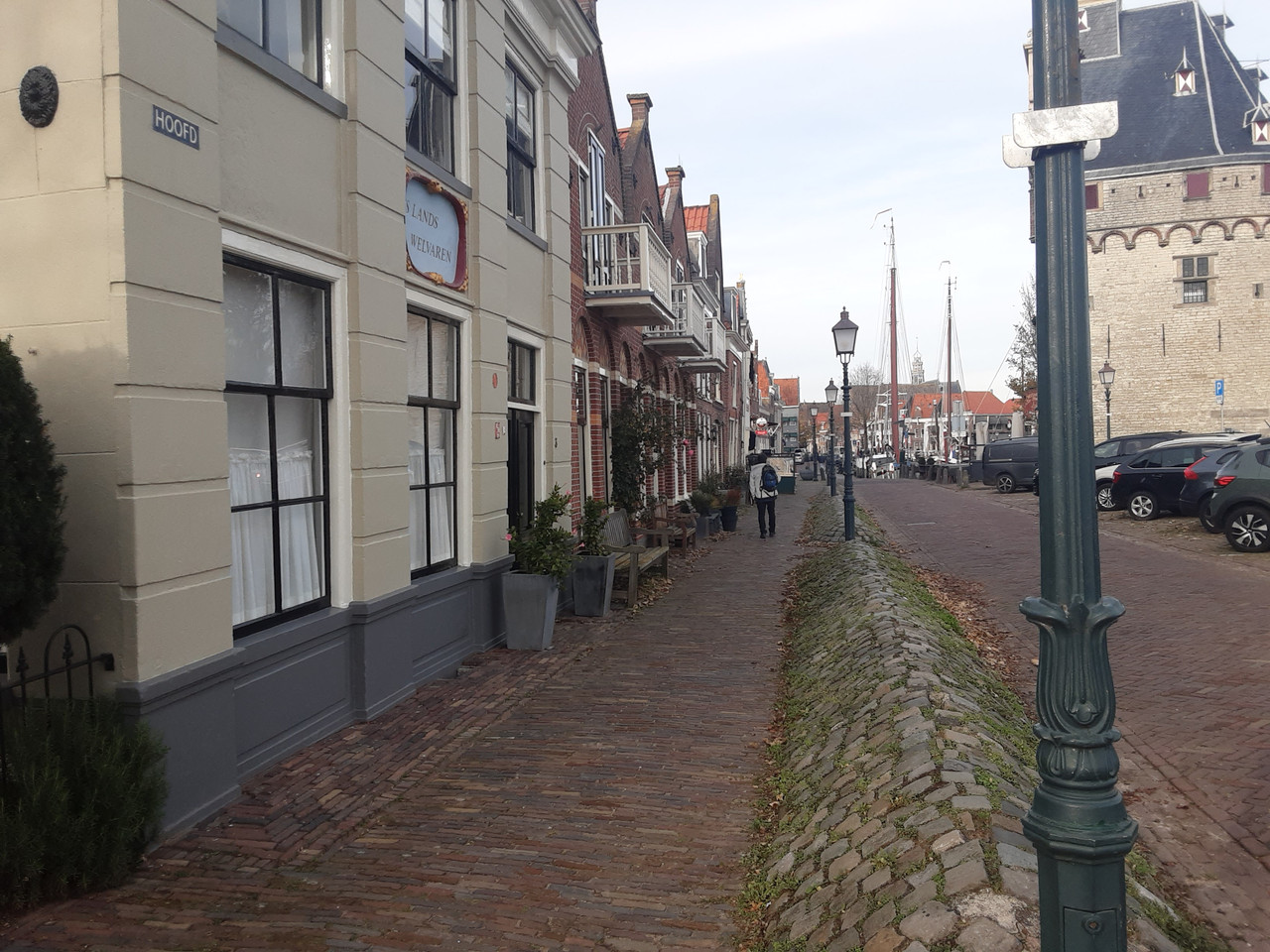
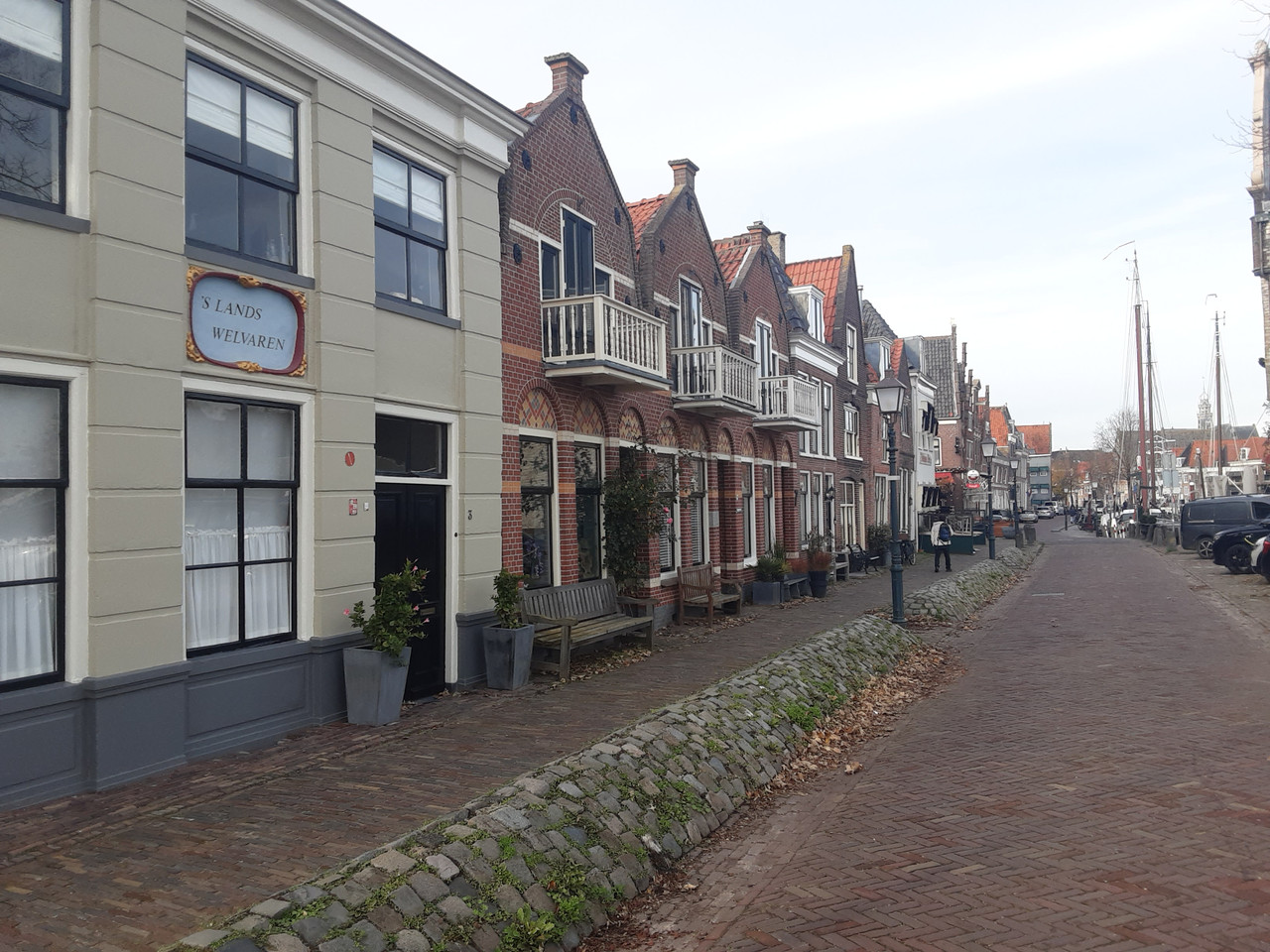
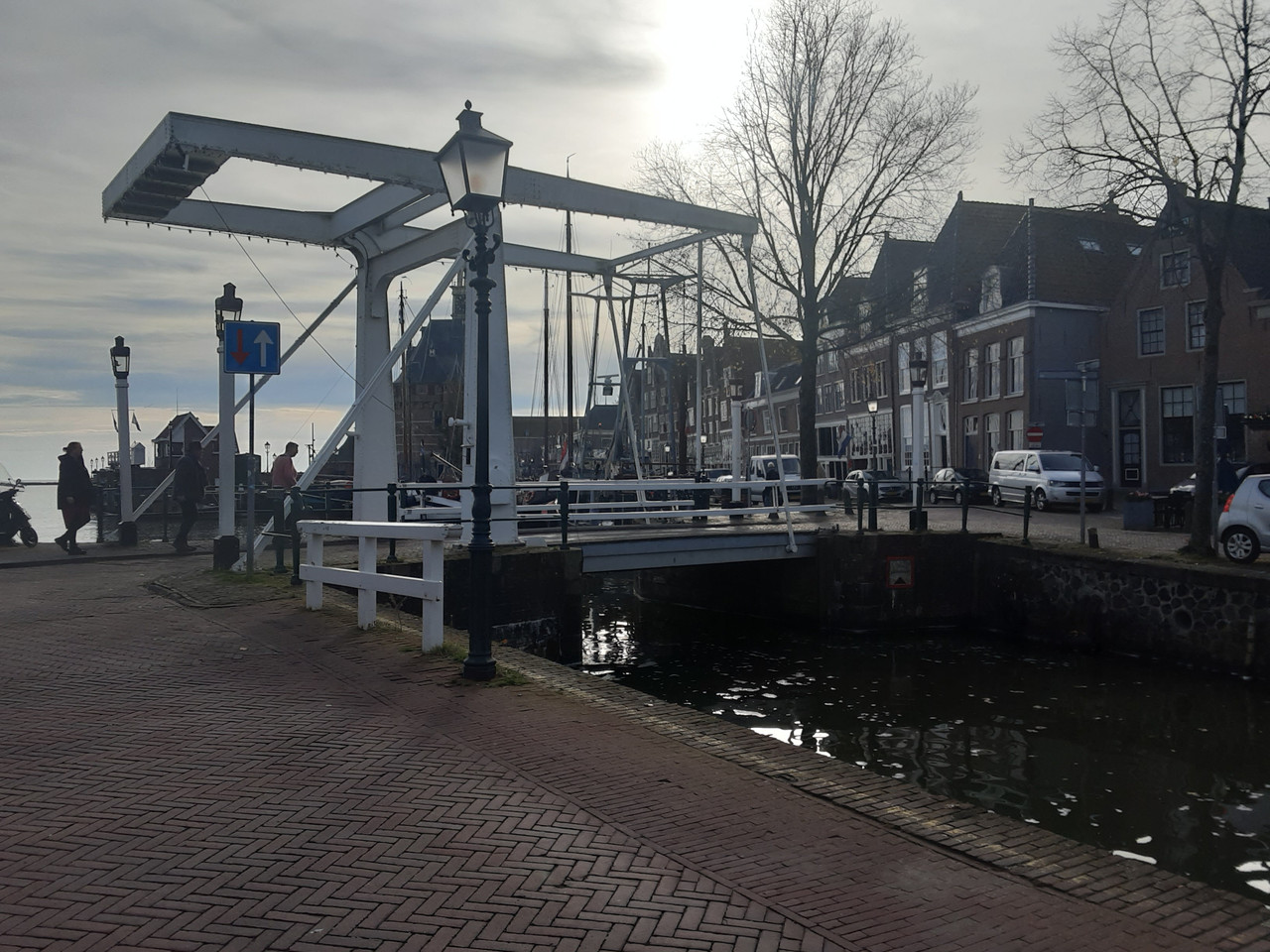
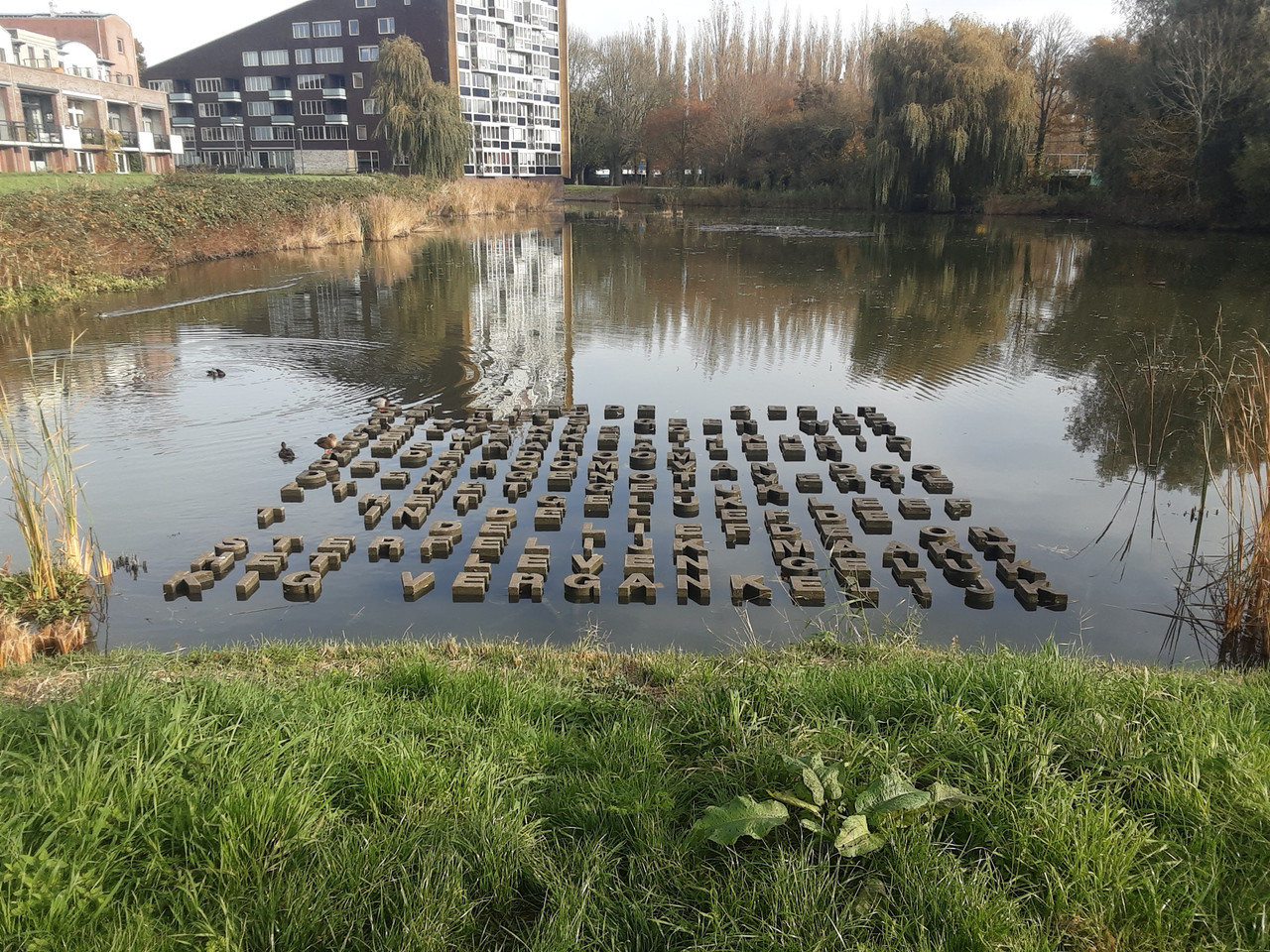
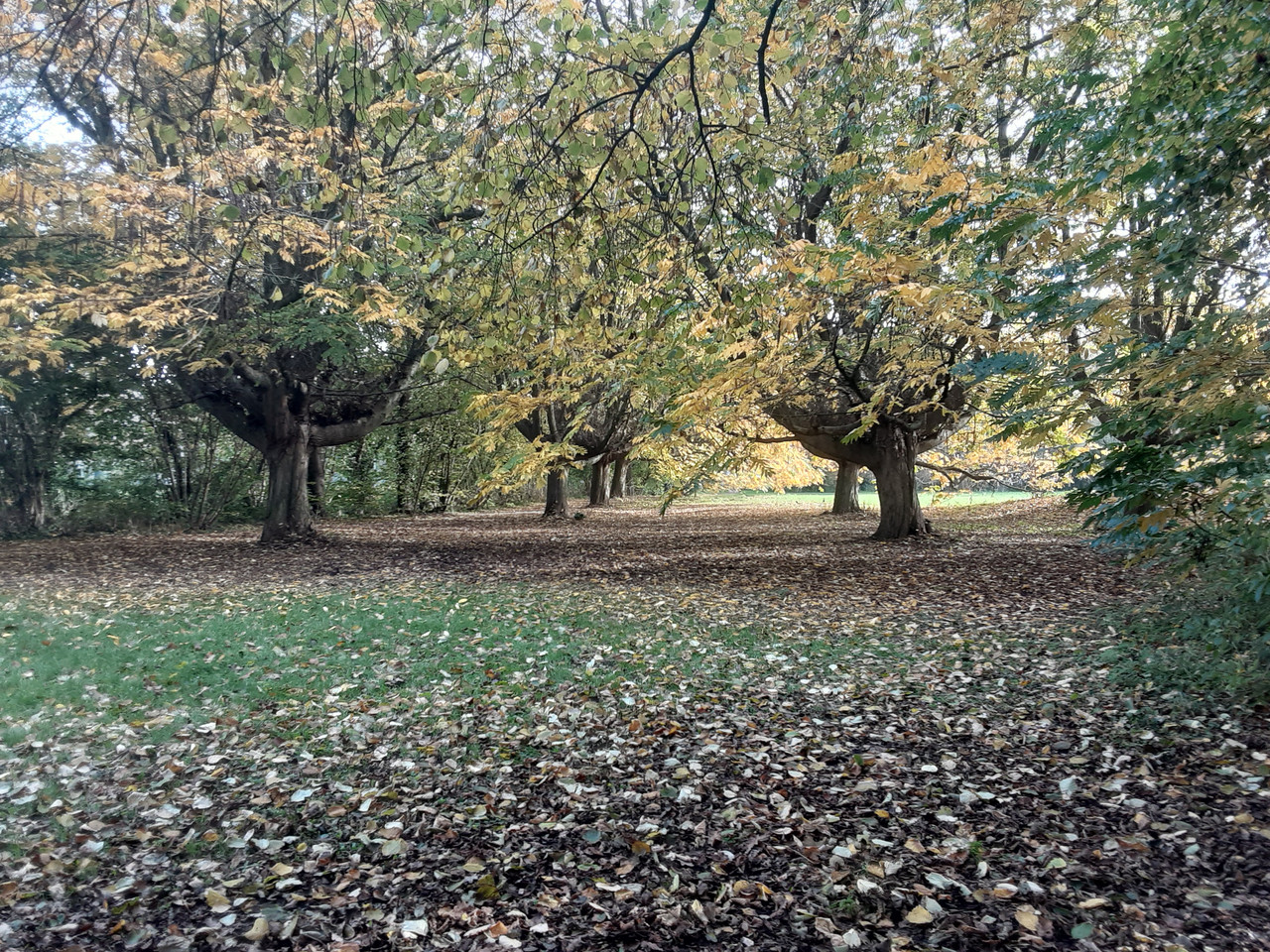
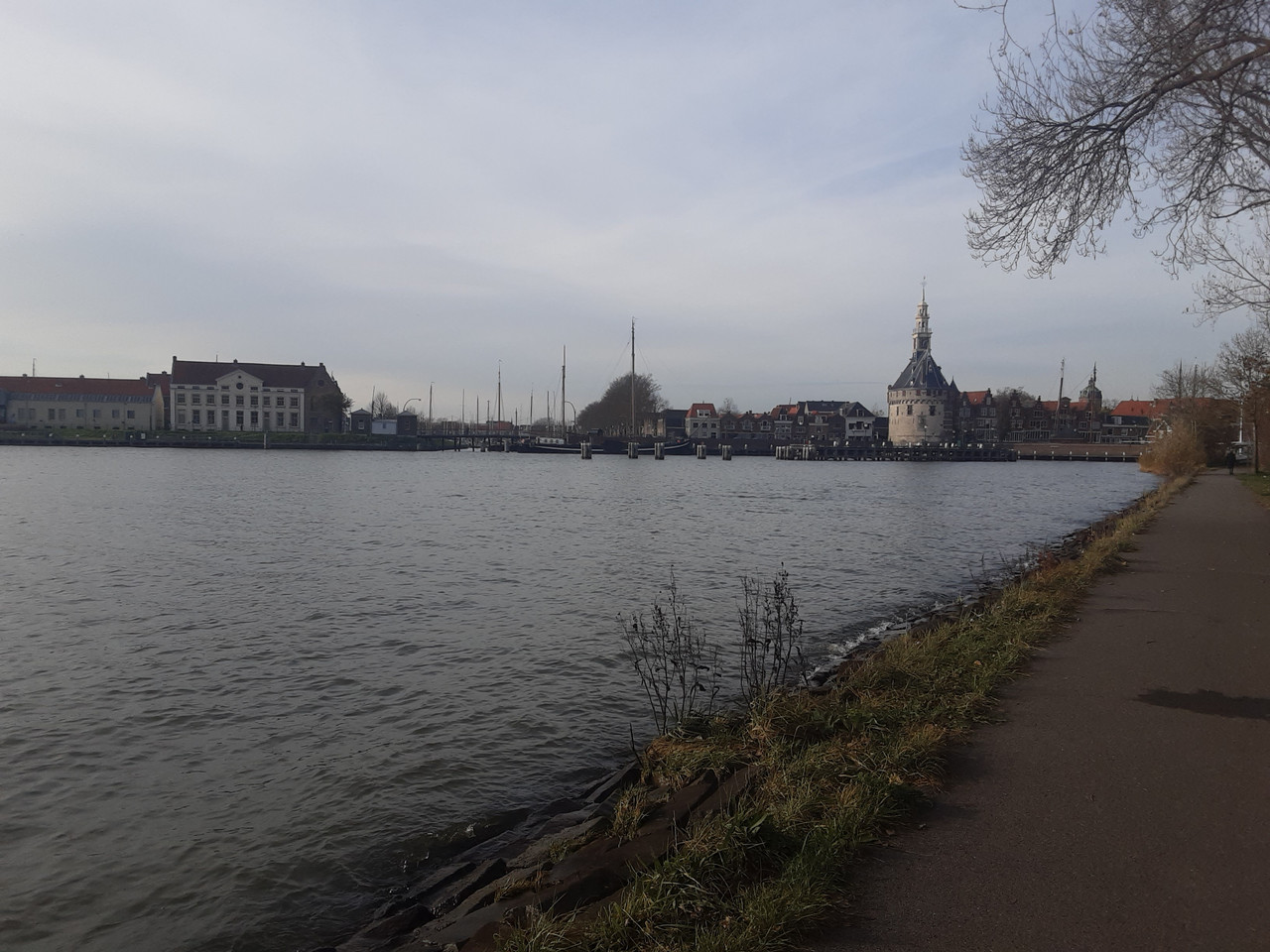
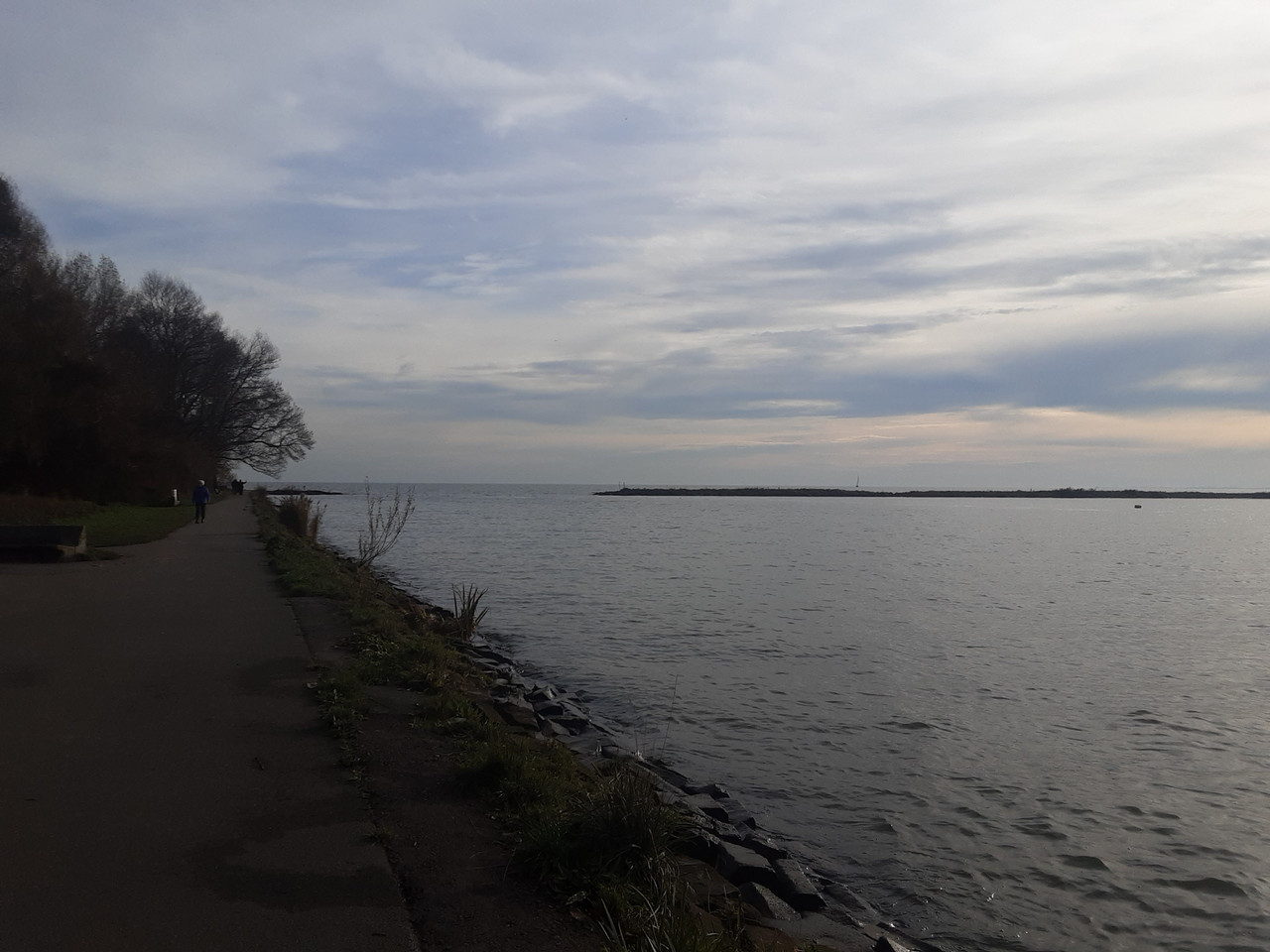
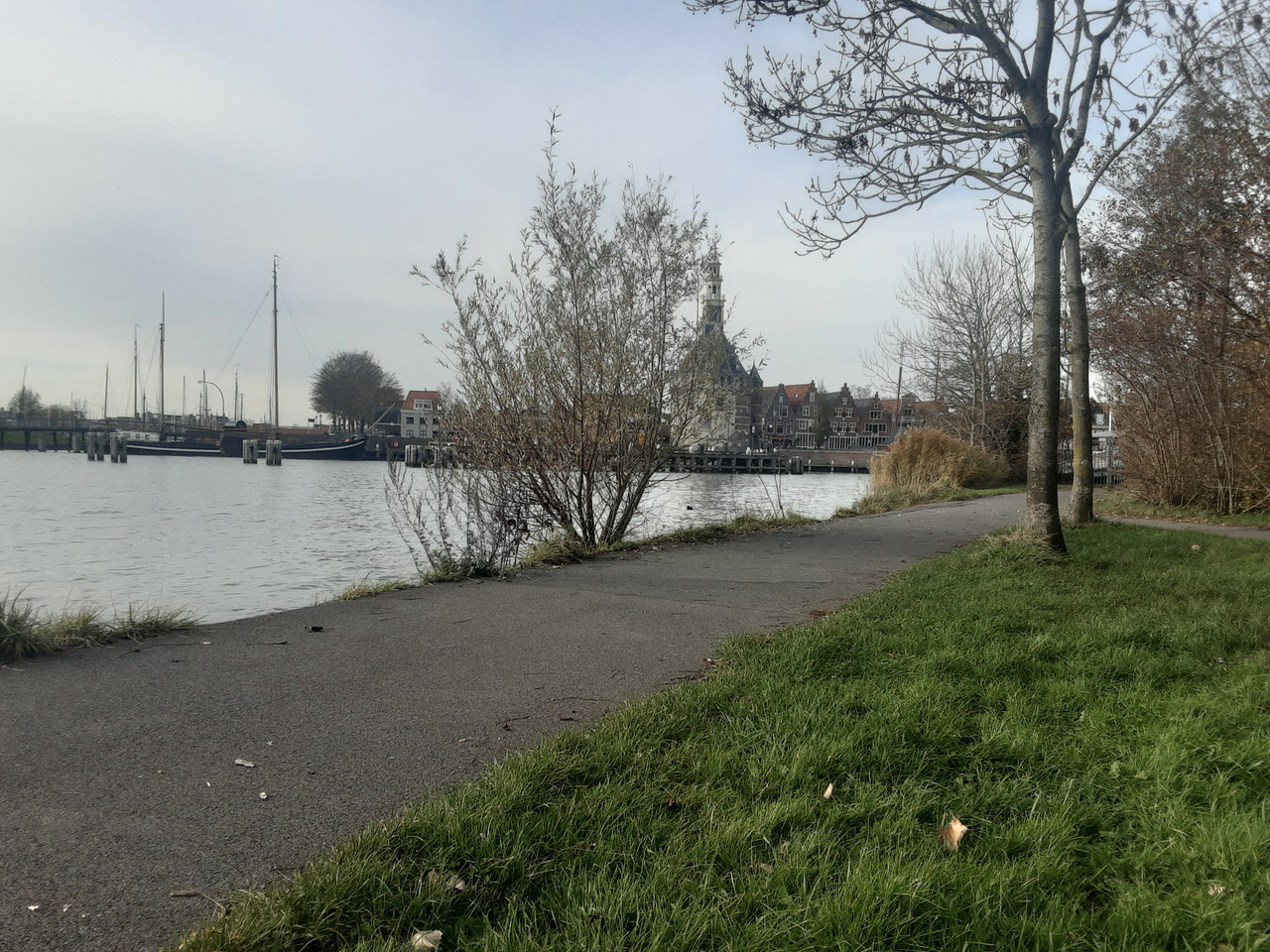
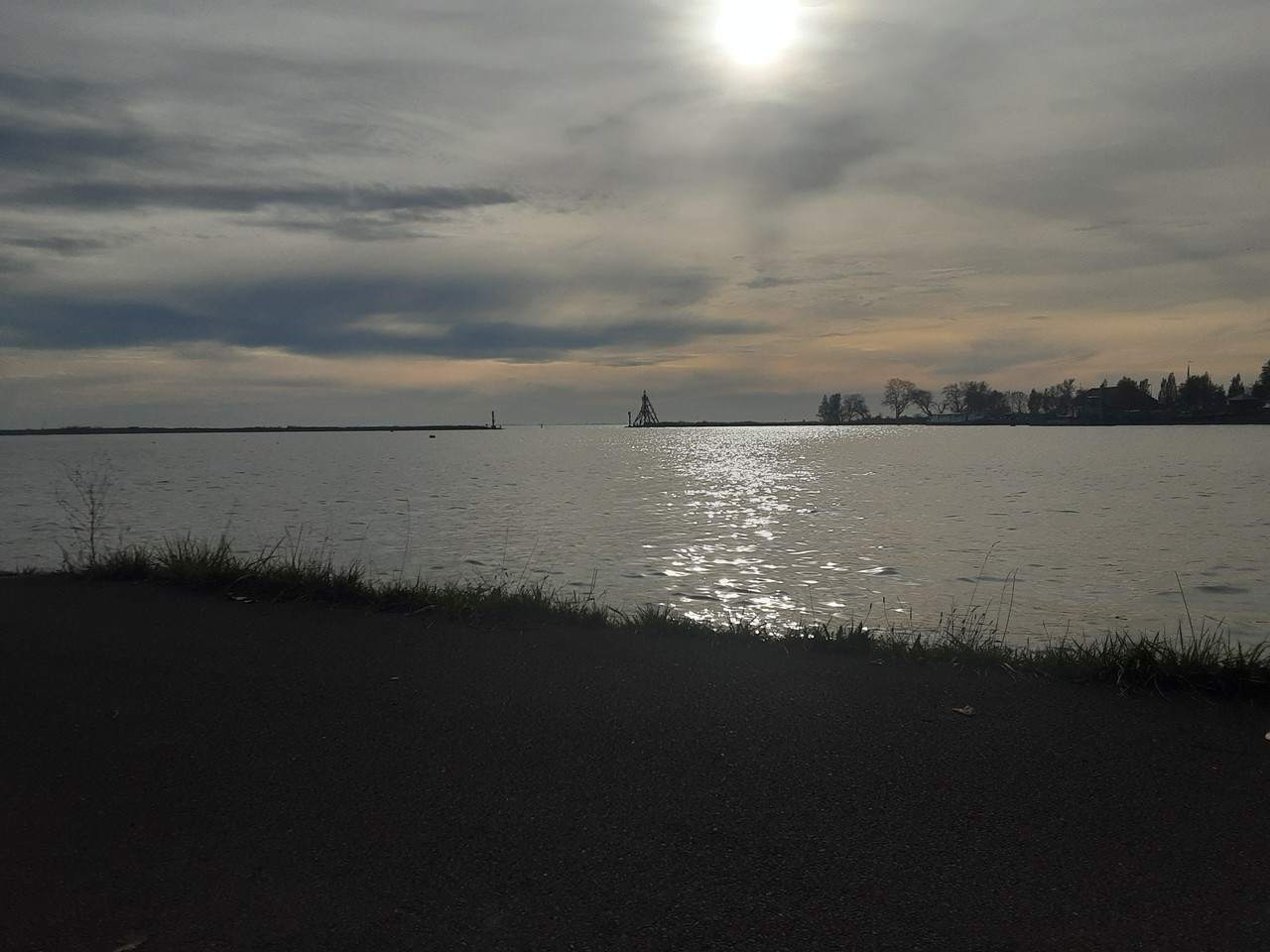
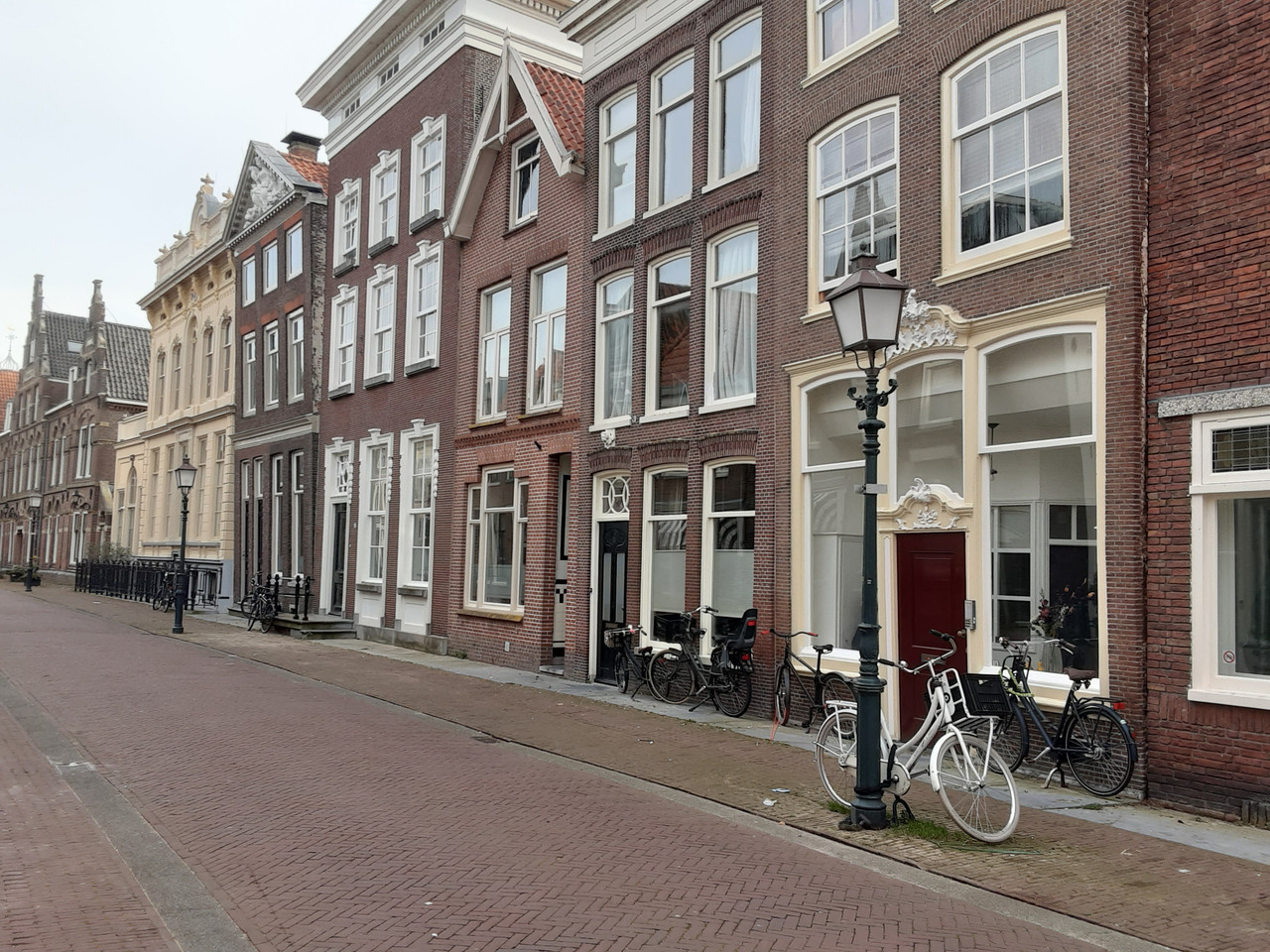
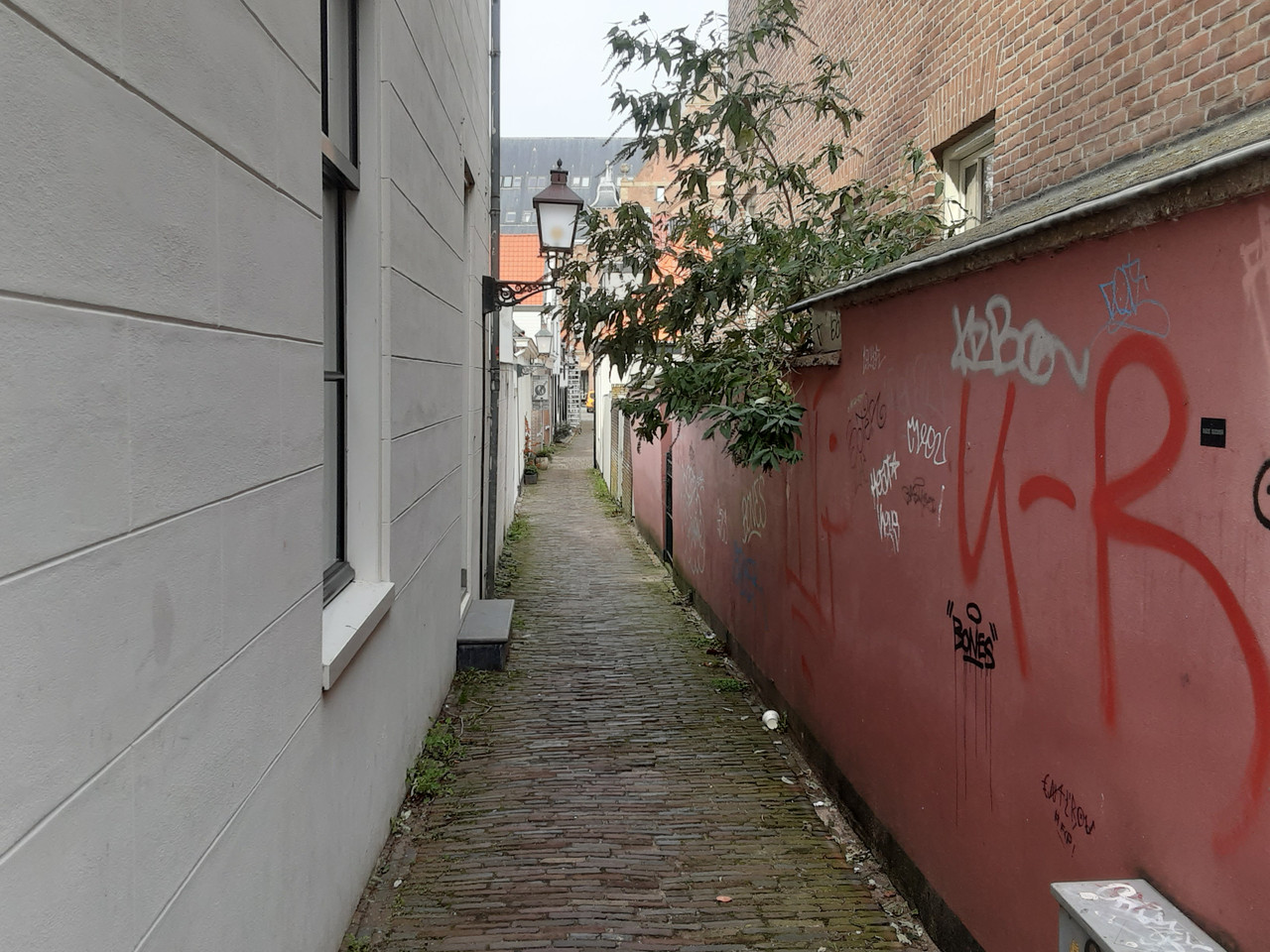
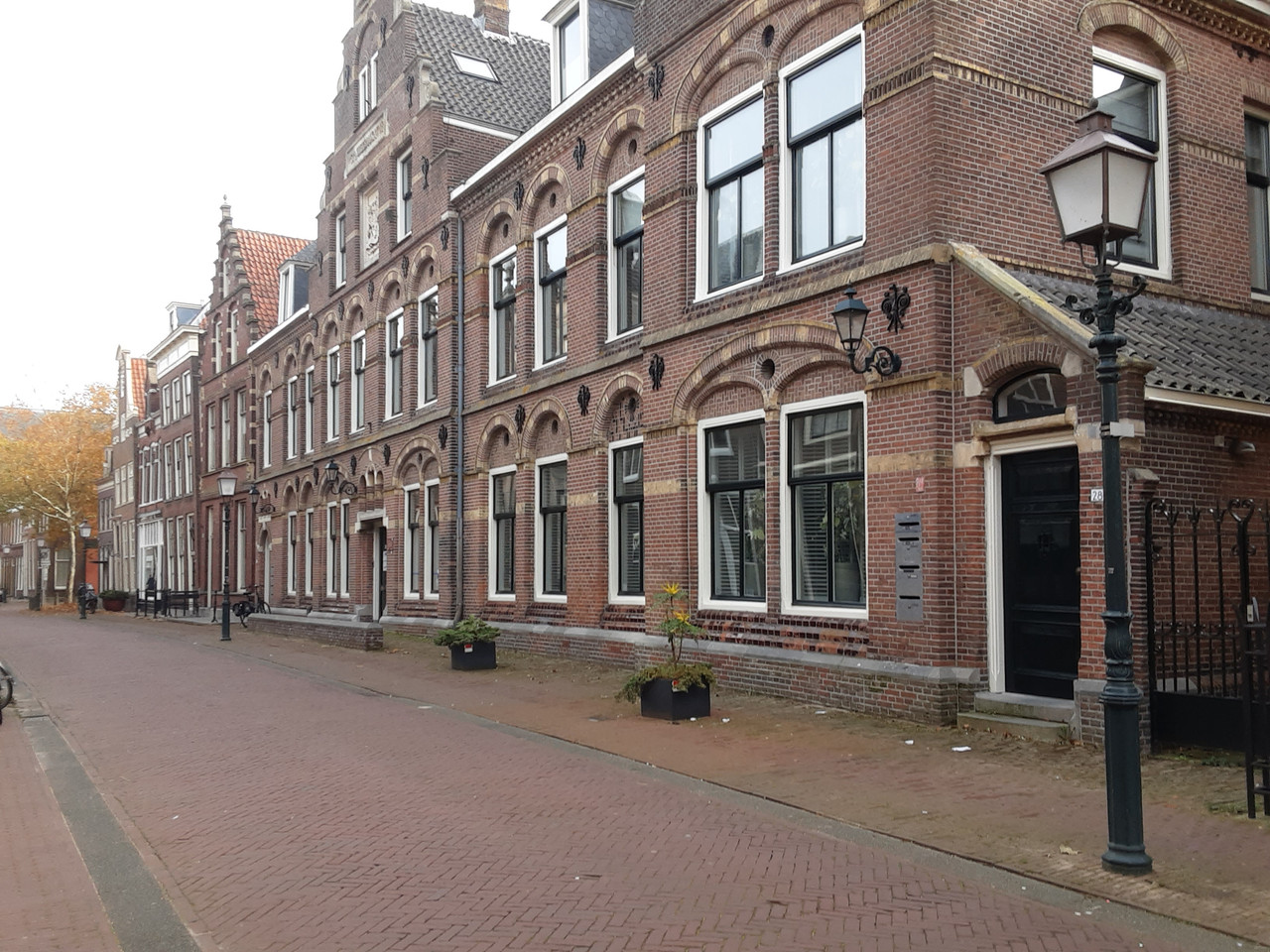
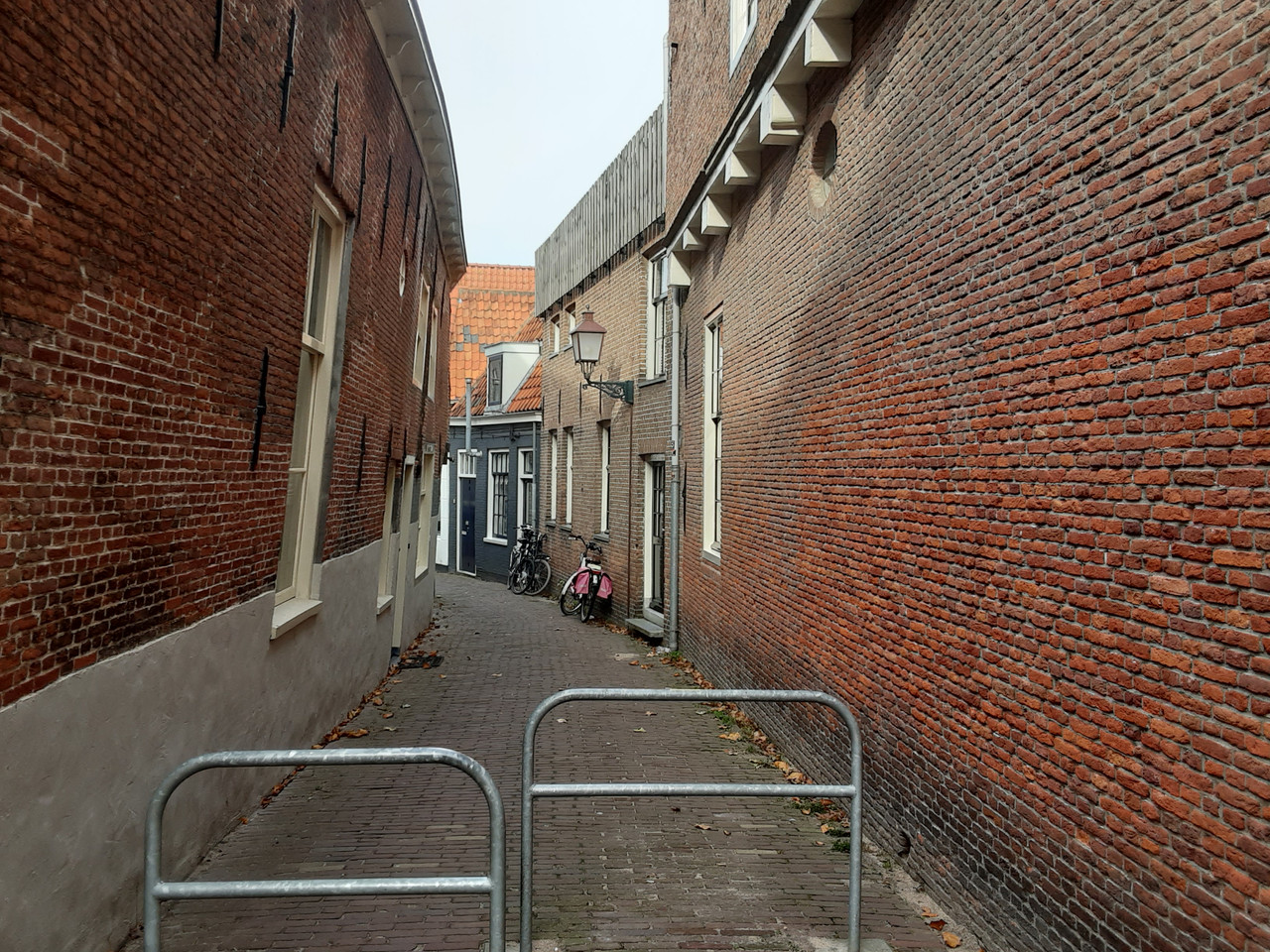
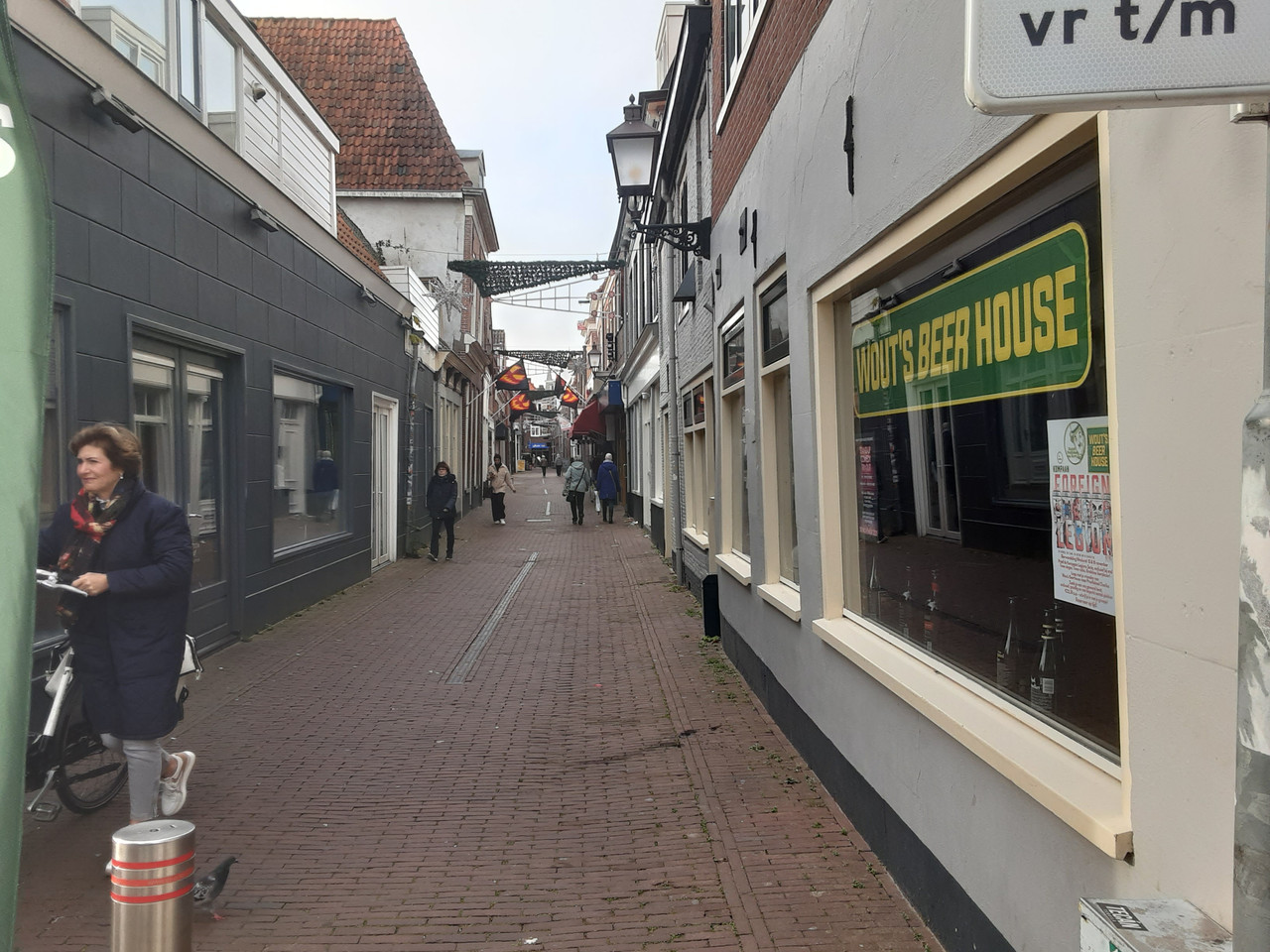
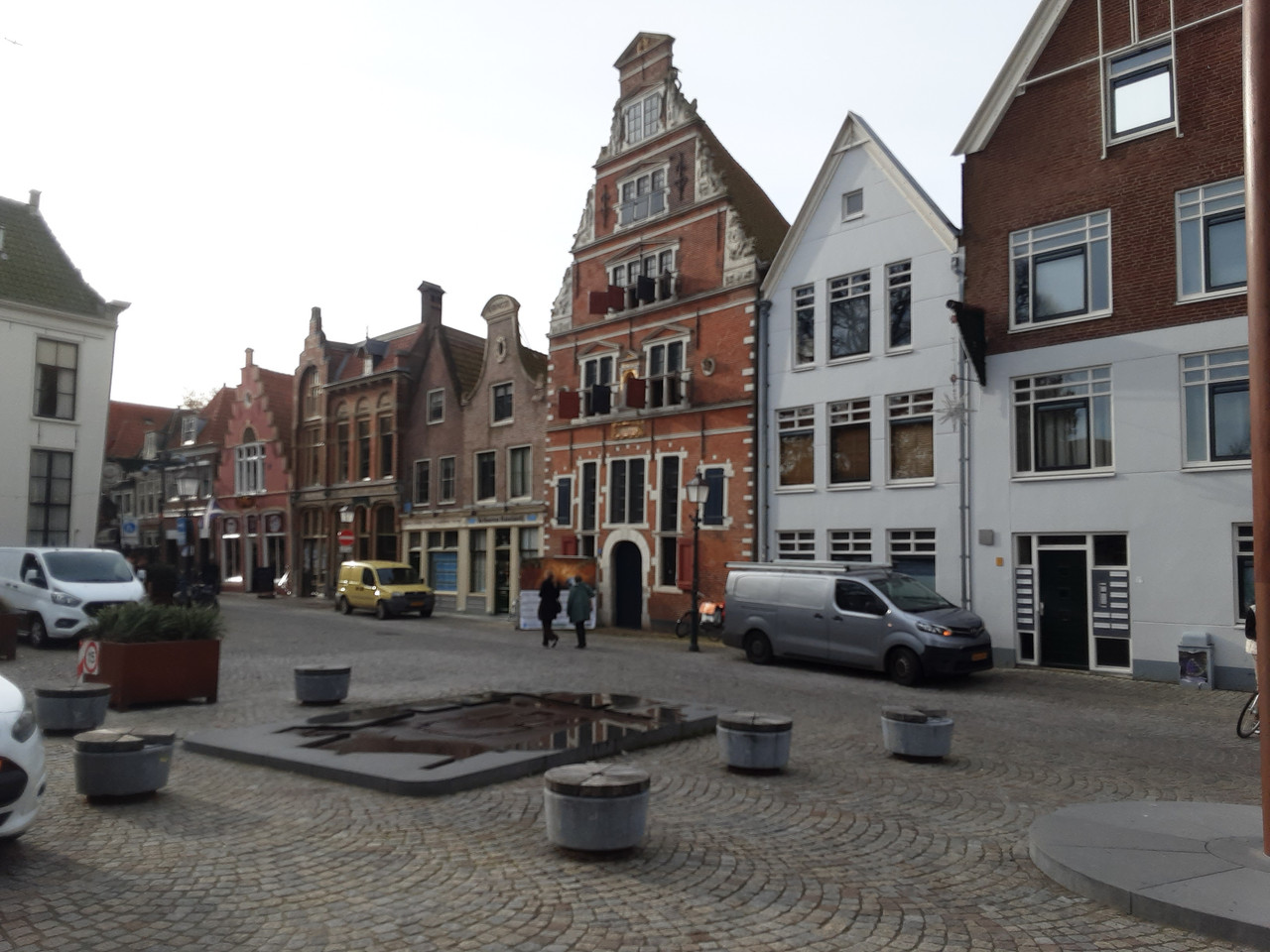
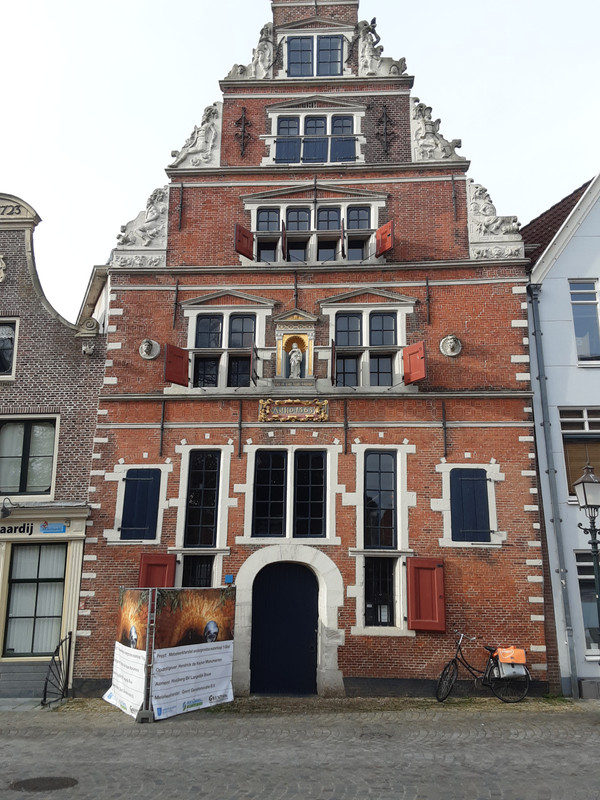
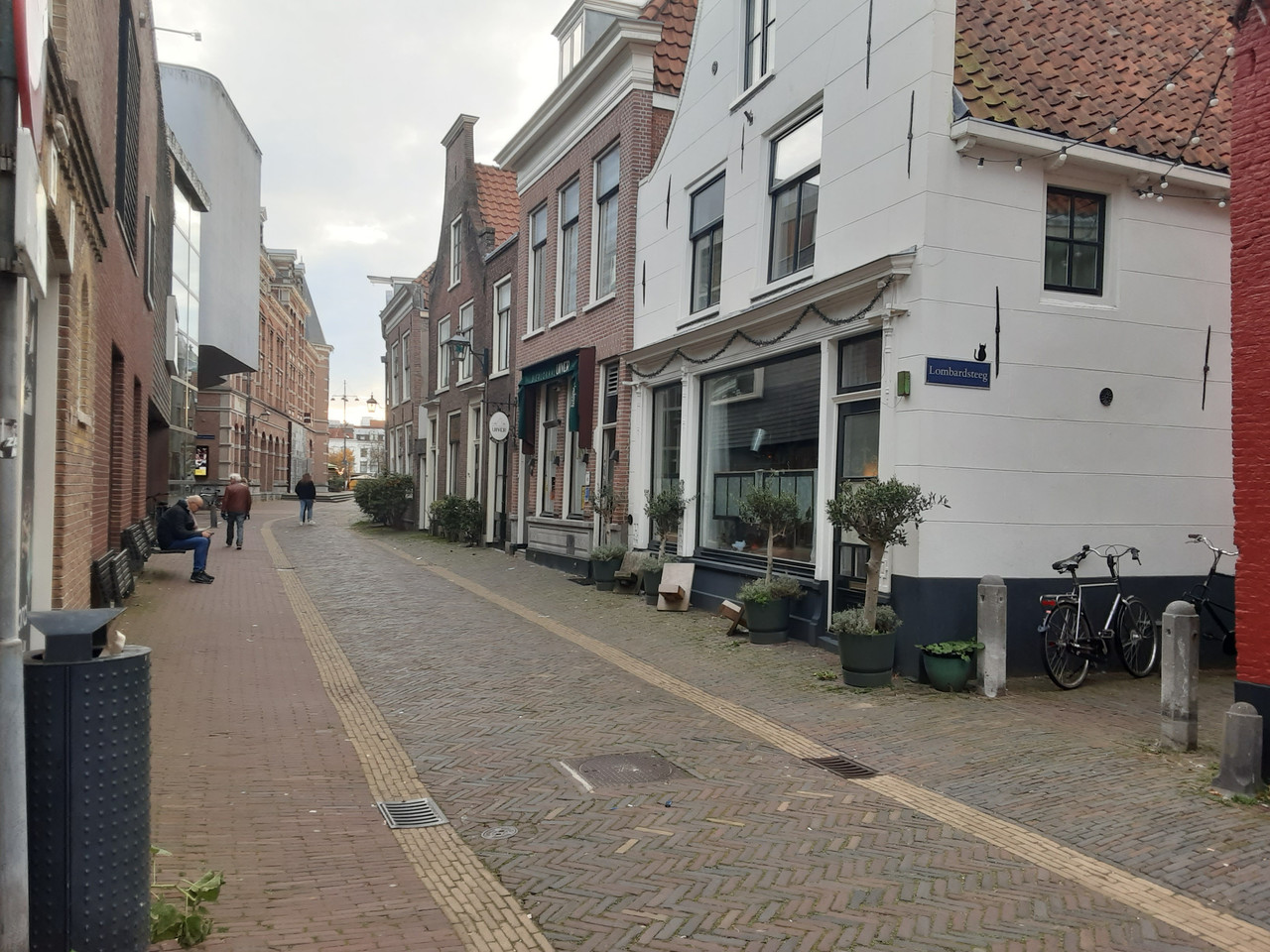
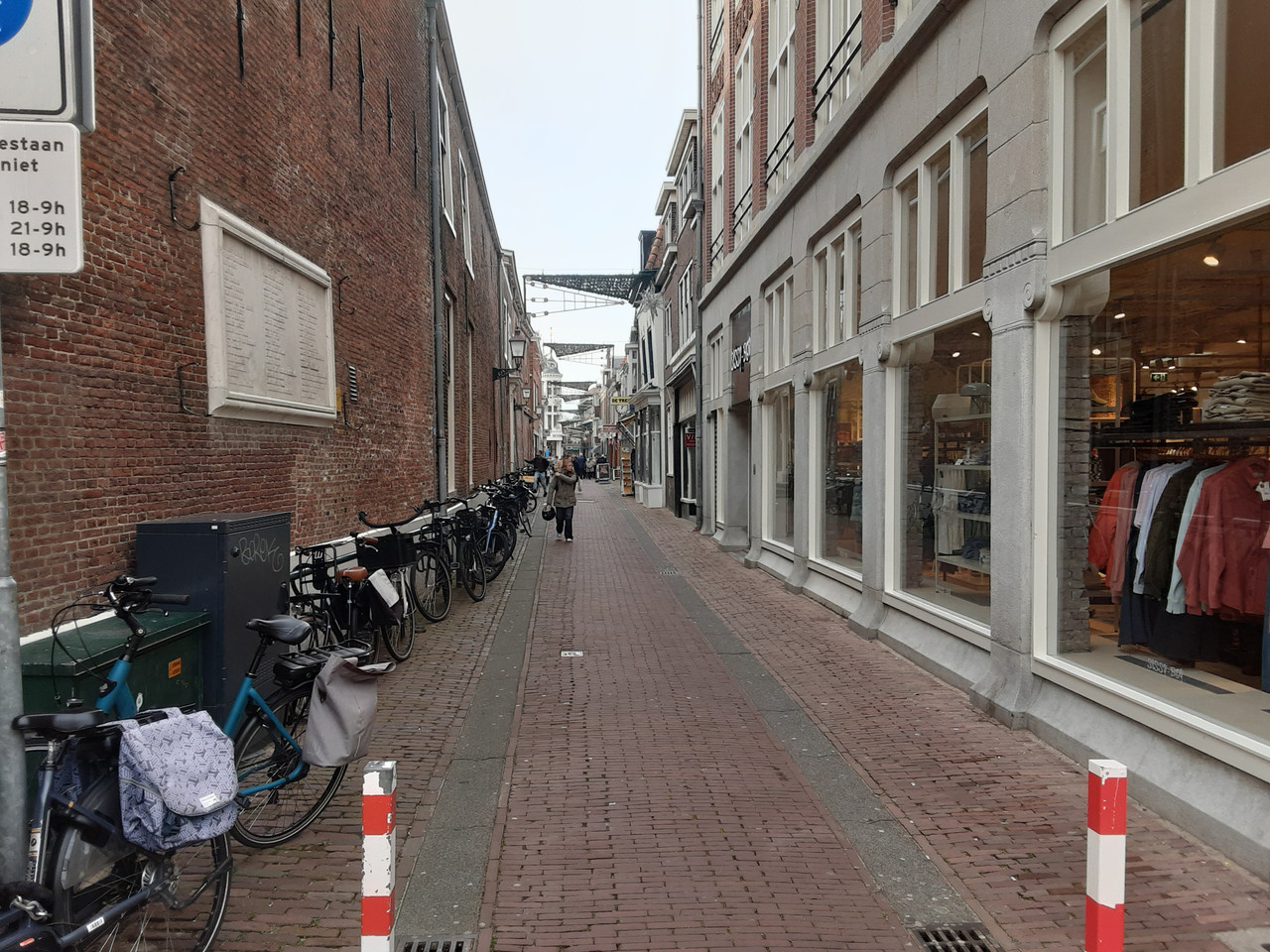
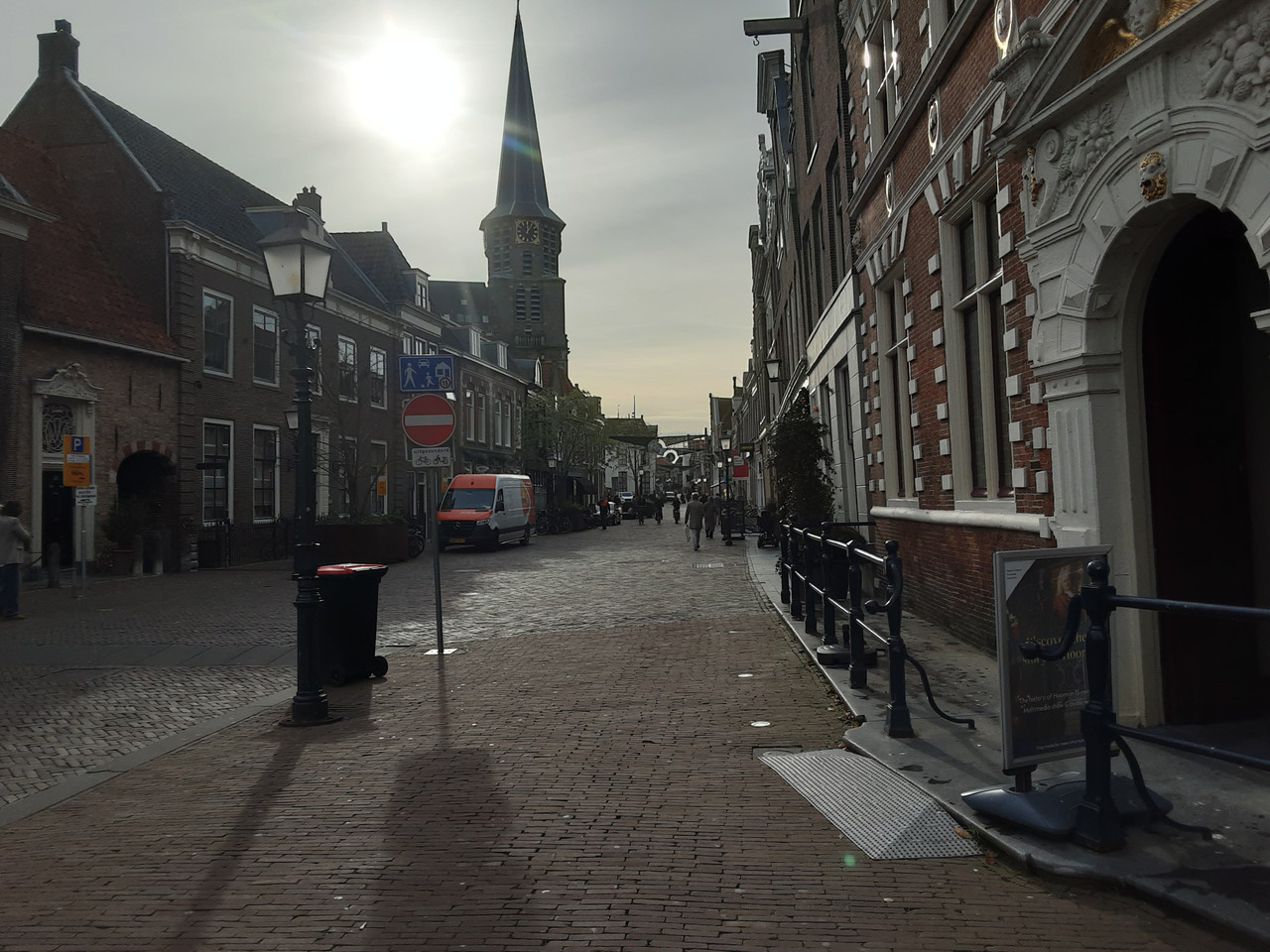
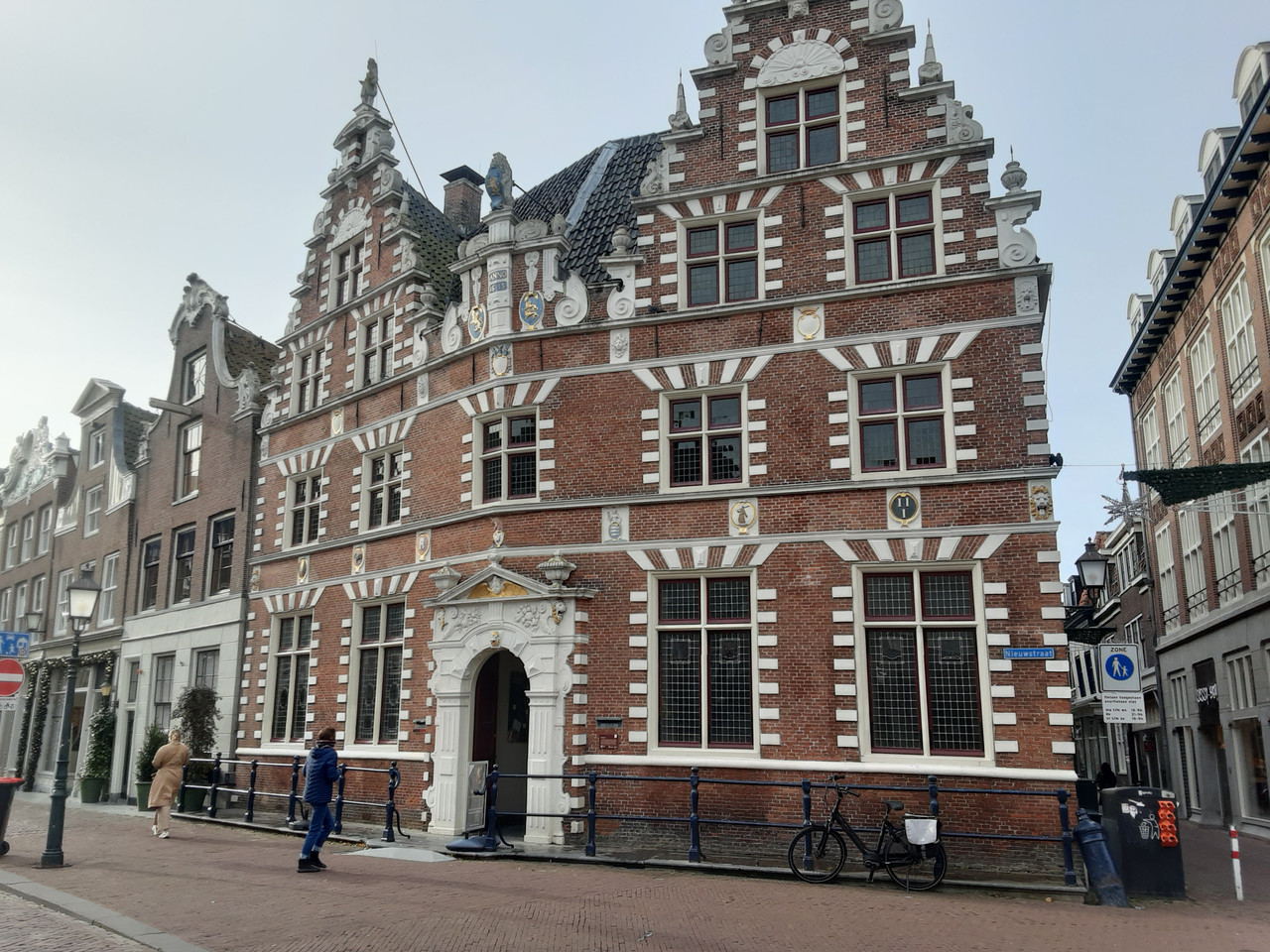
#85 Re: Not So Free Chat » Zaanse Schaanes Windmill Museum, Holland. » 2025-11-05 18:02:43
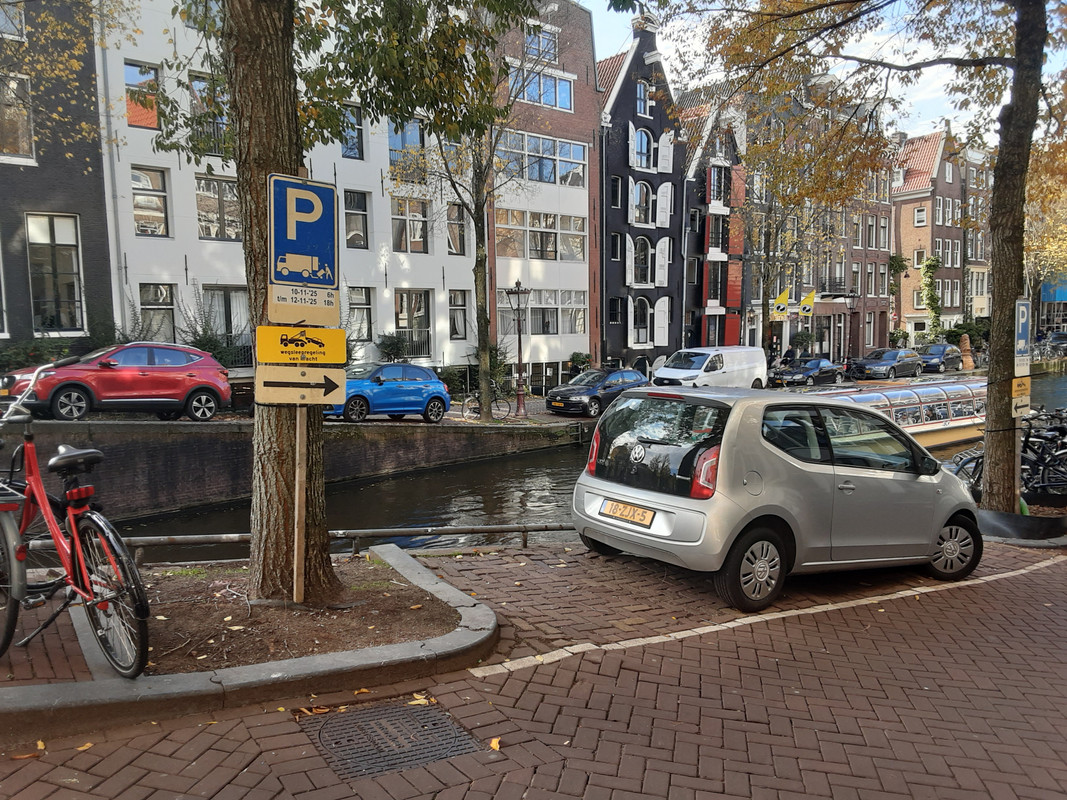
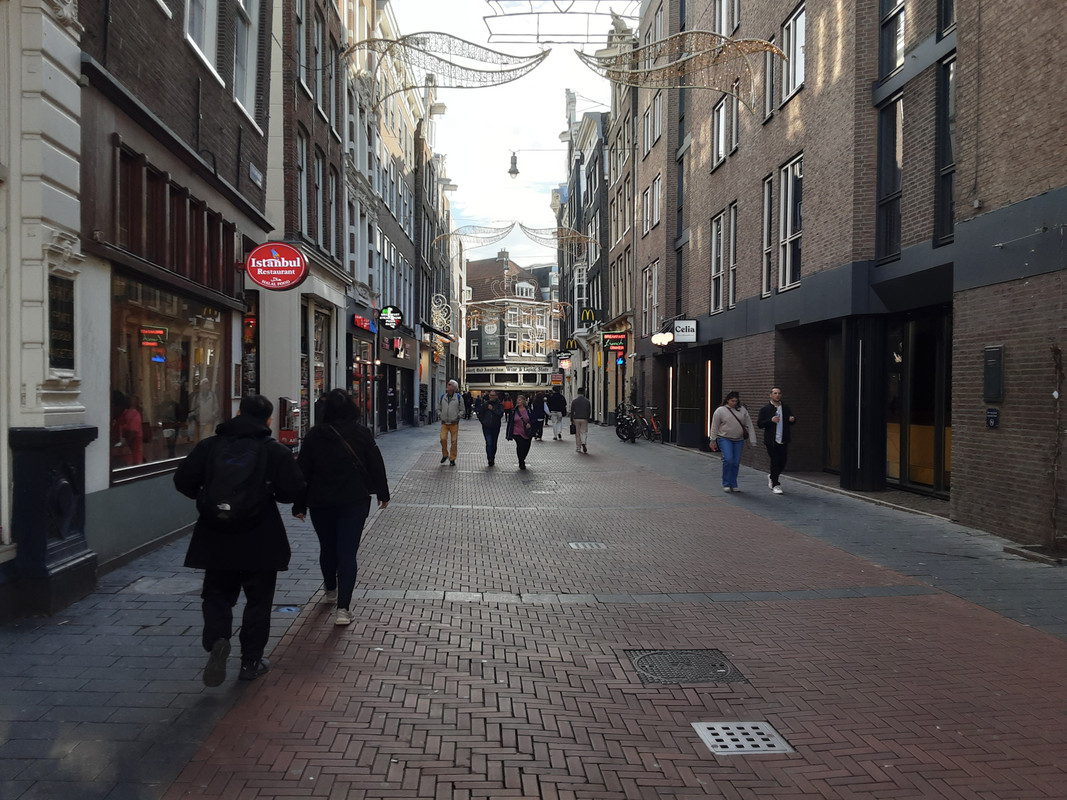
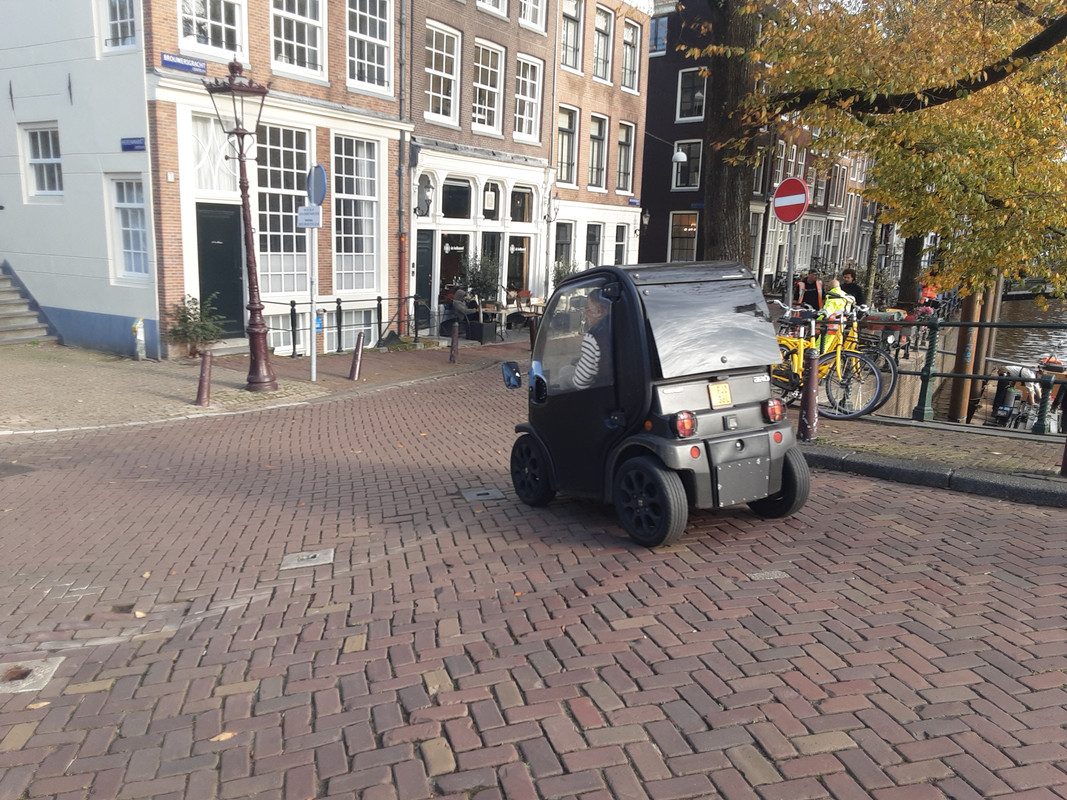
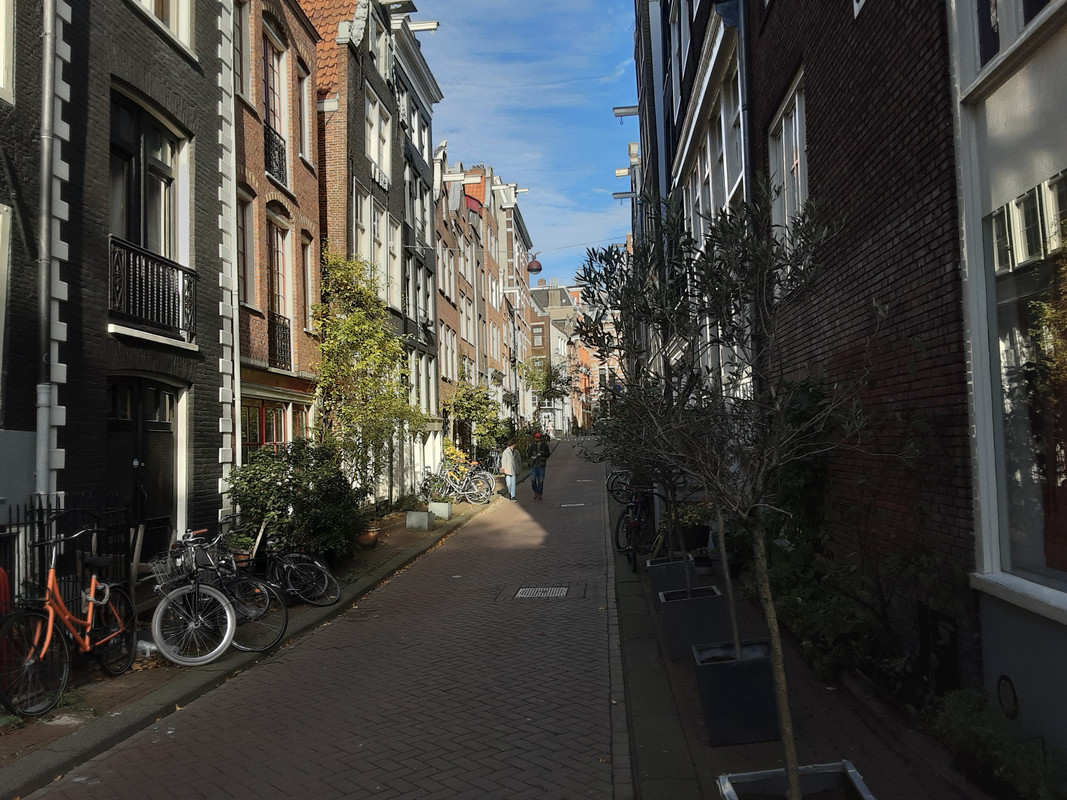
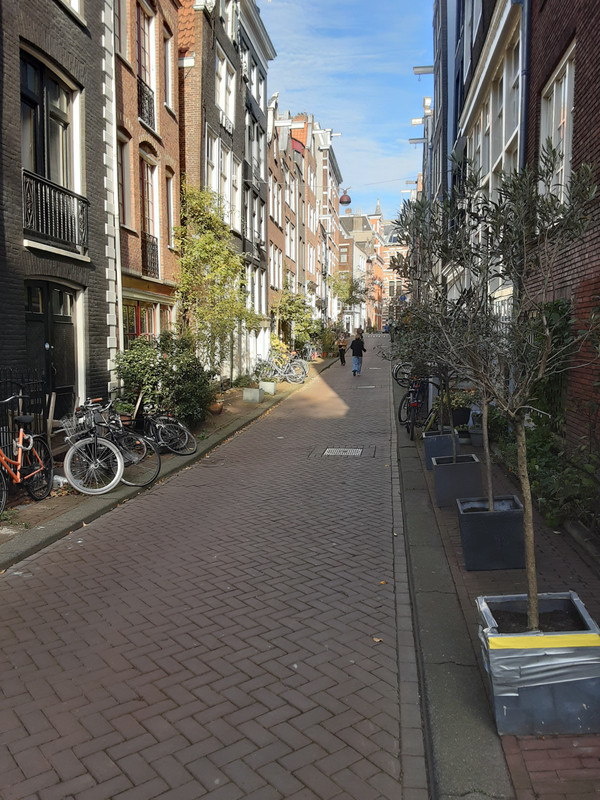
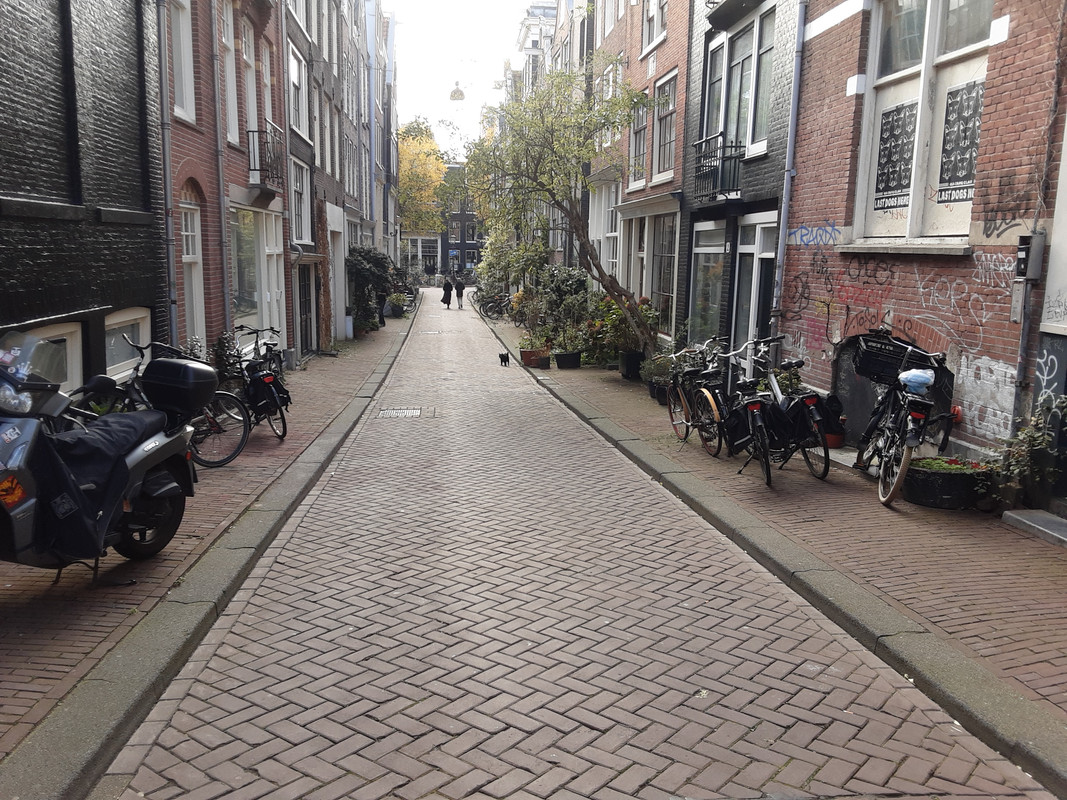
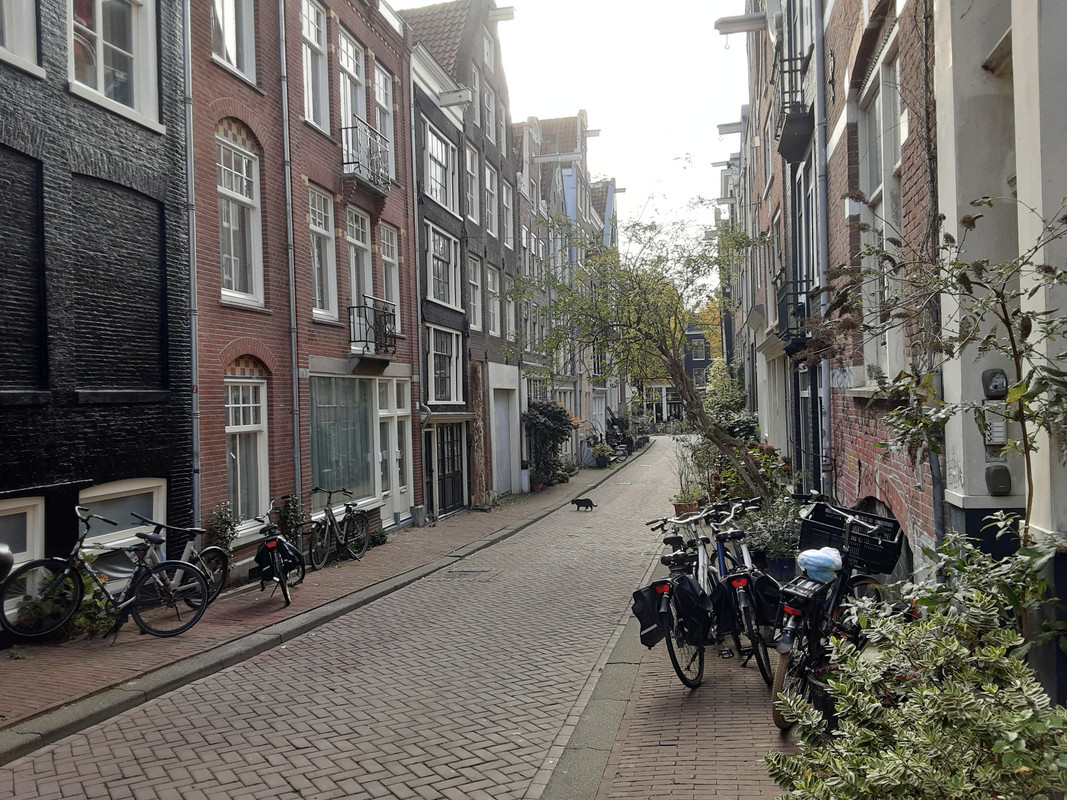
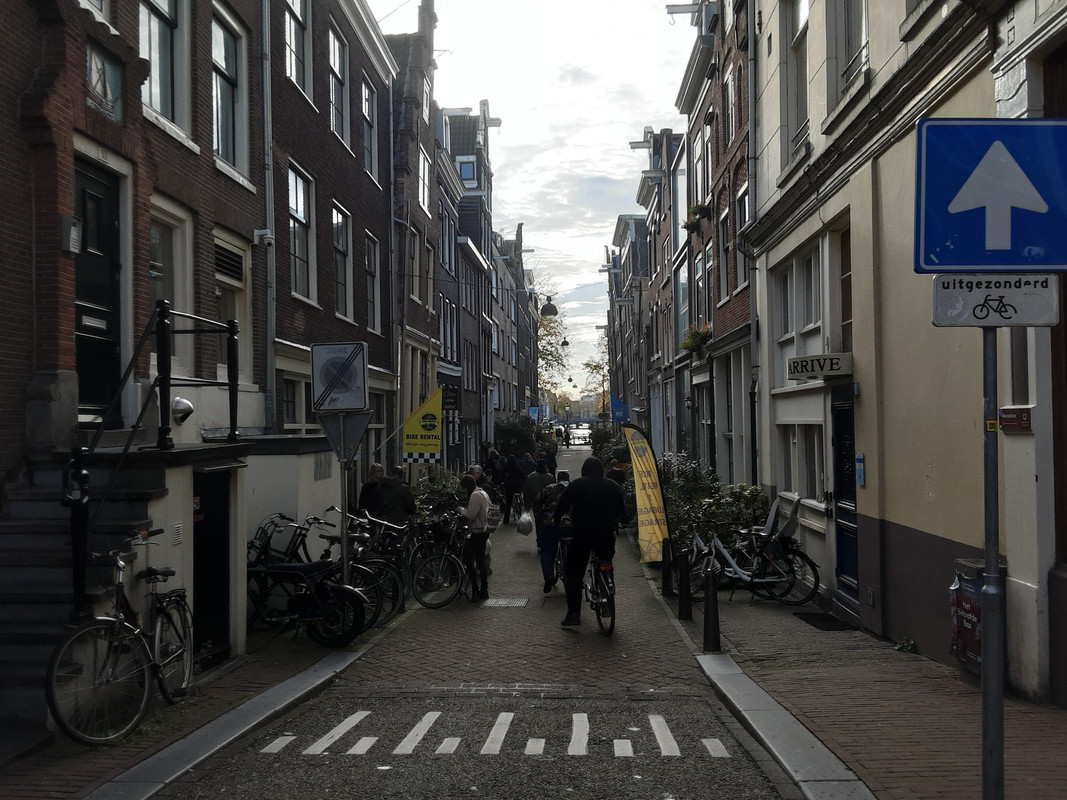
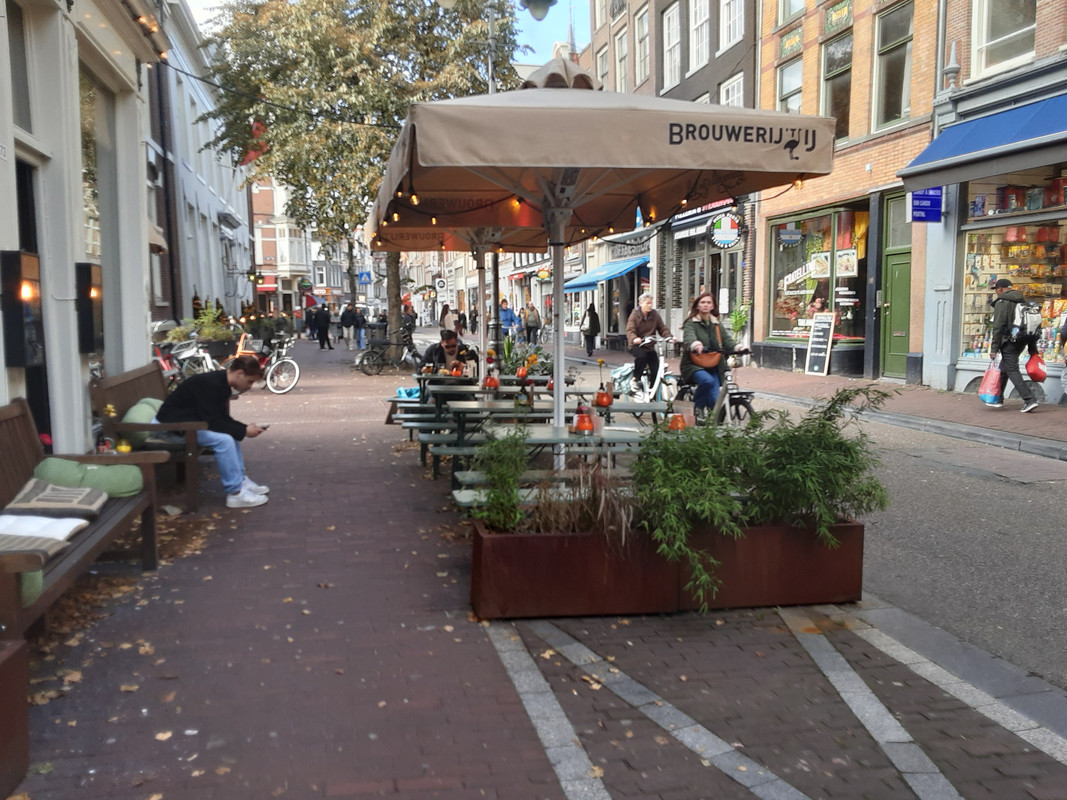
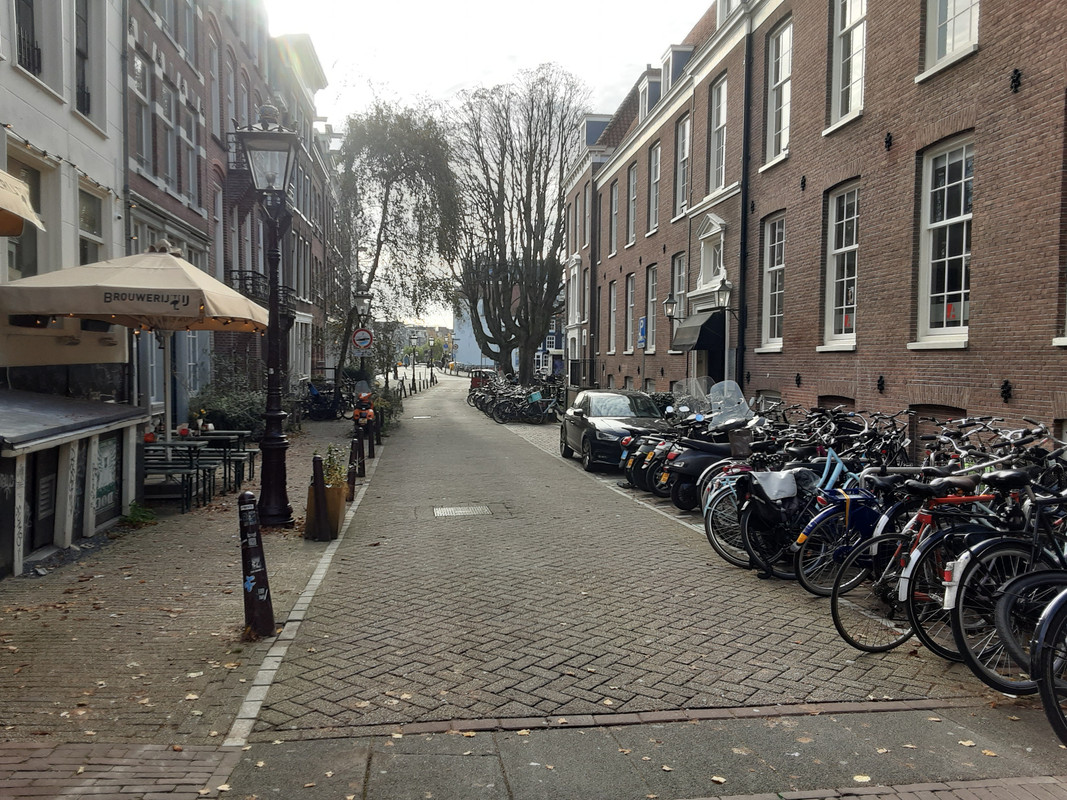
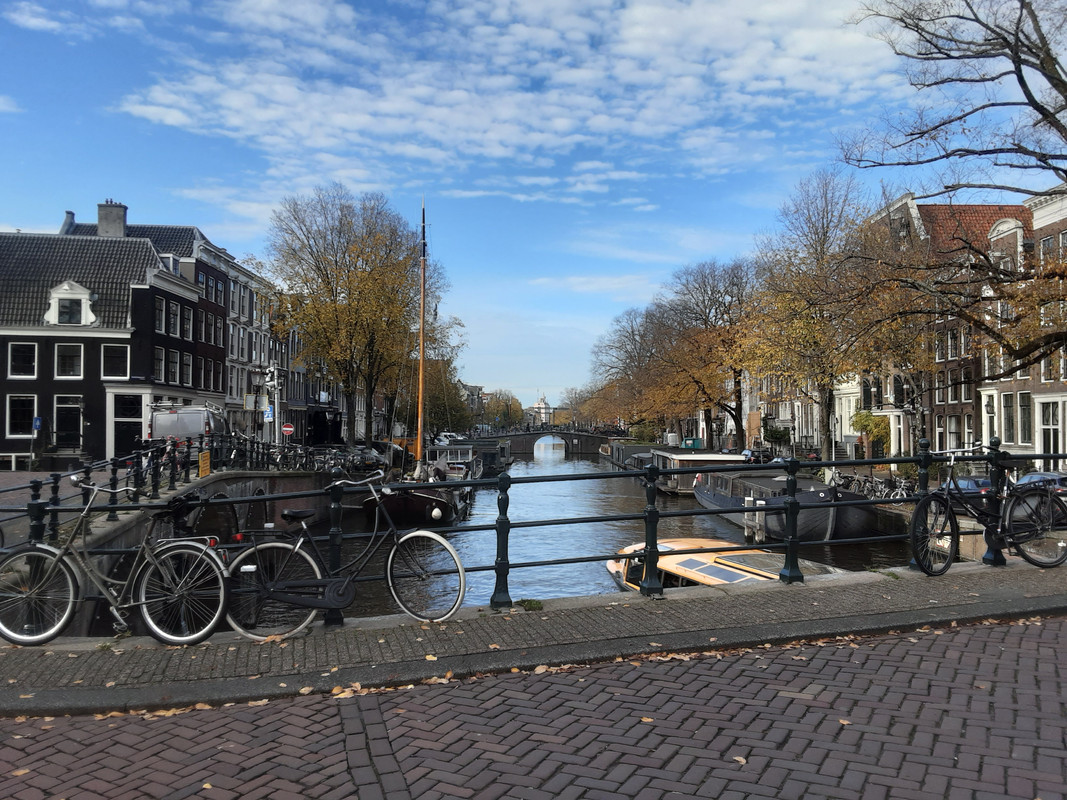
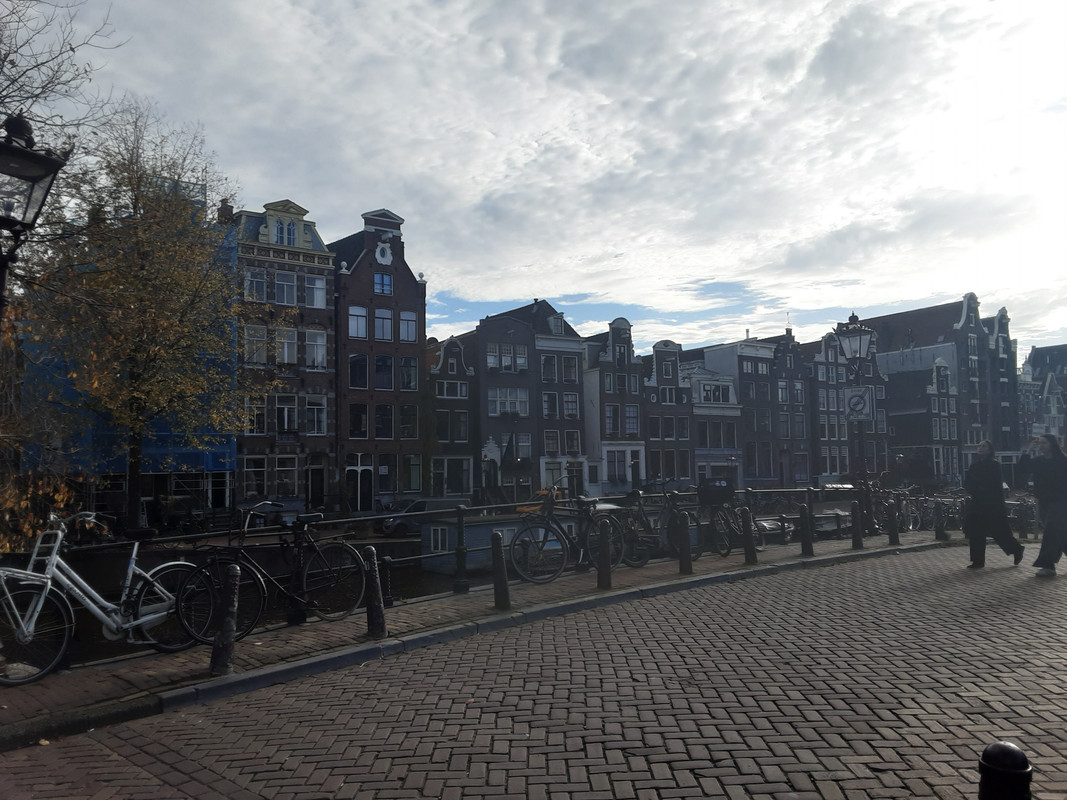
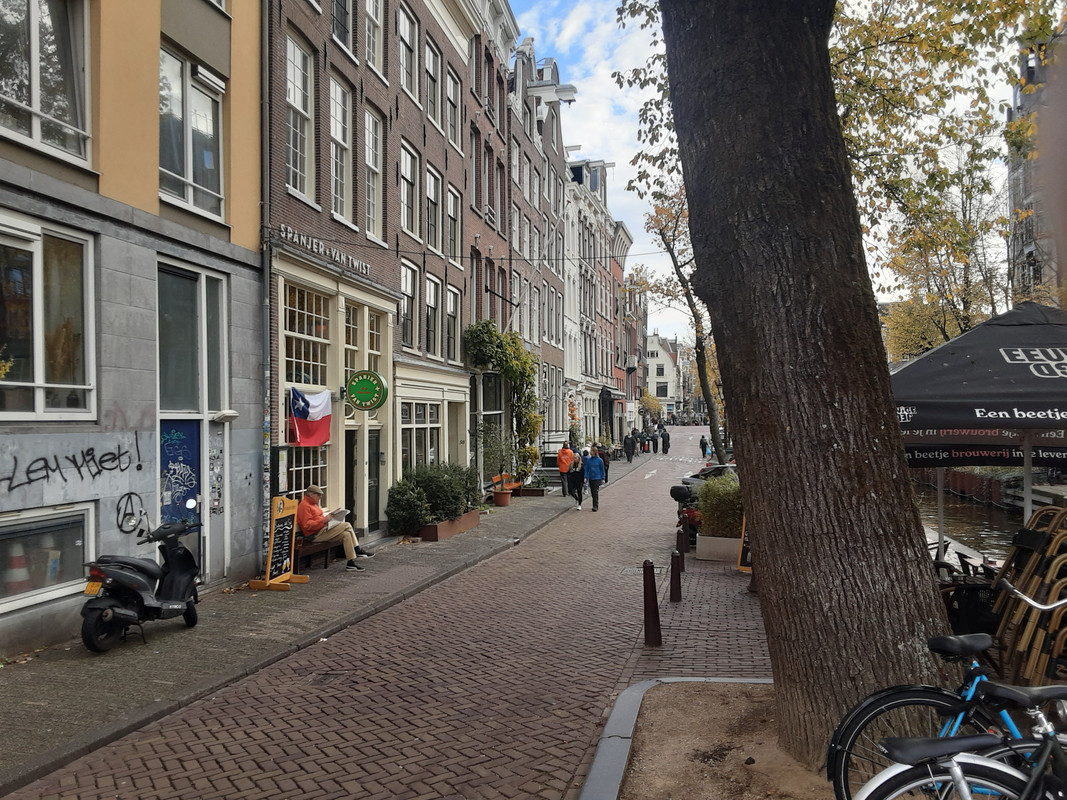
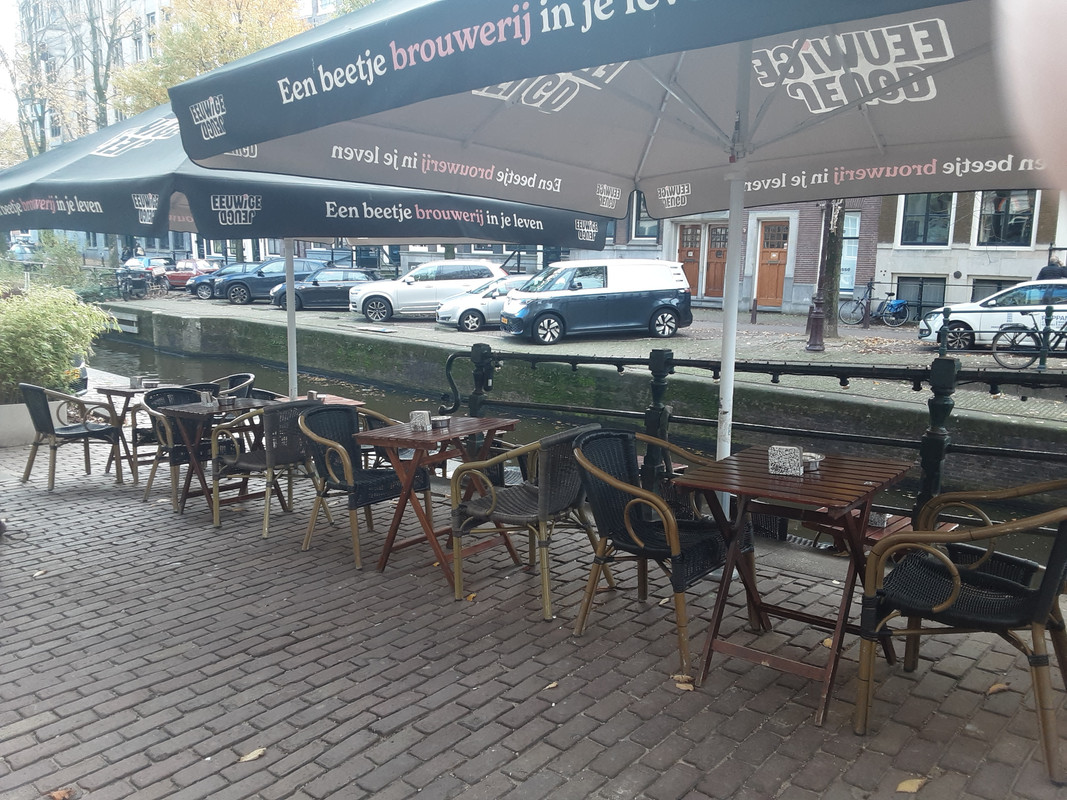
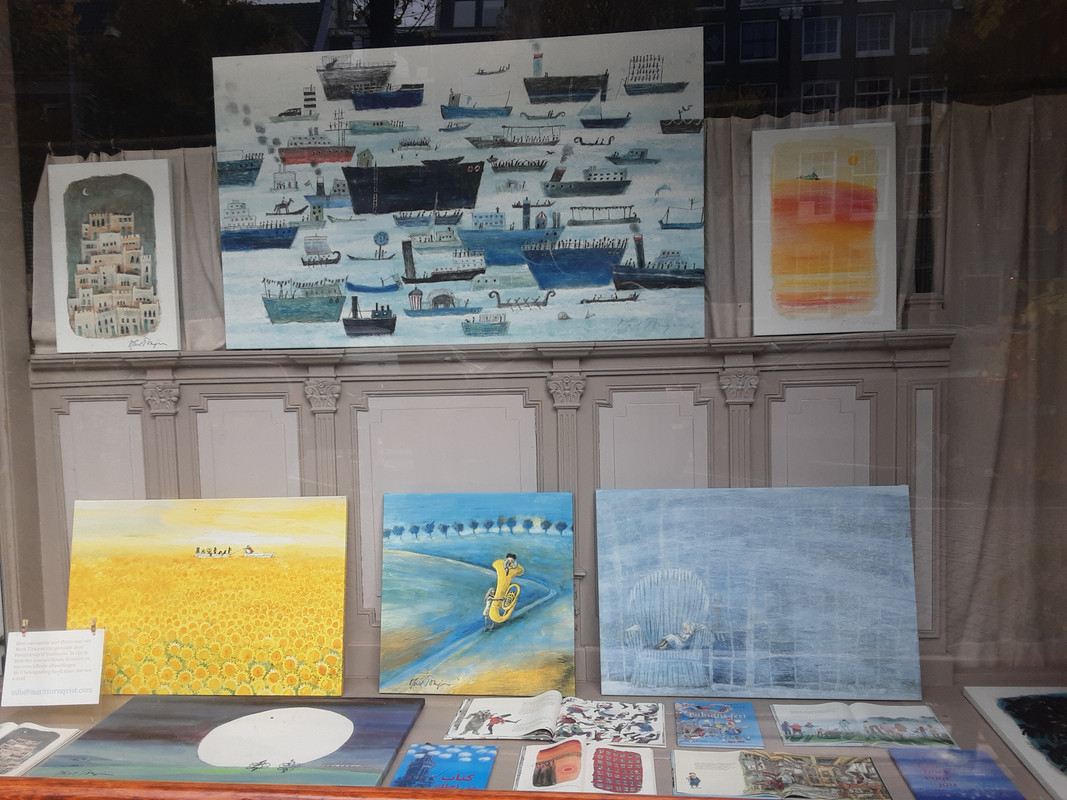
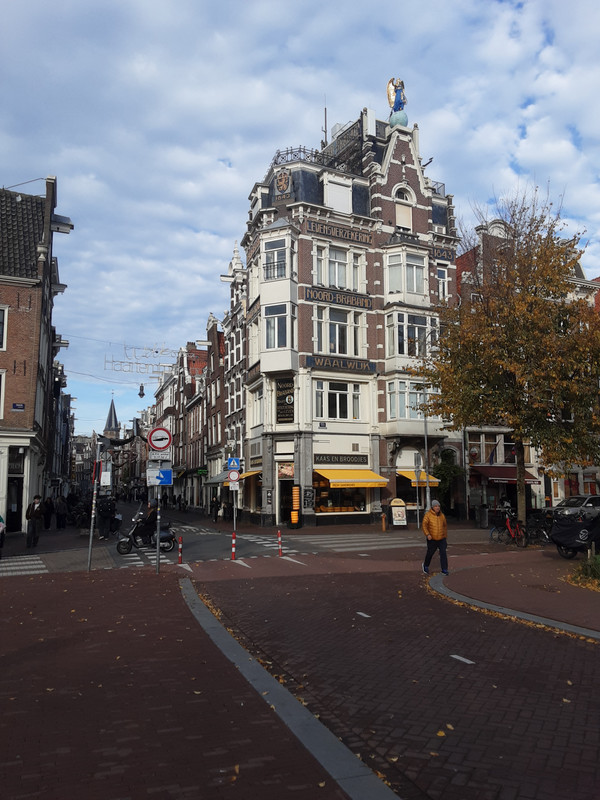
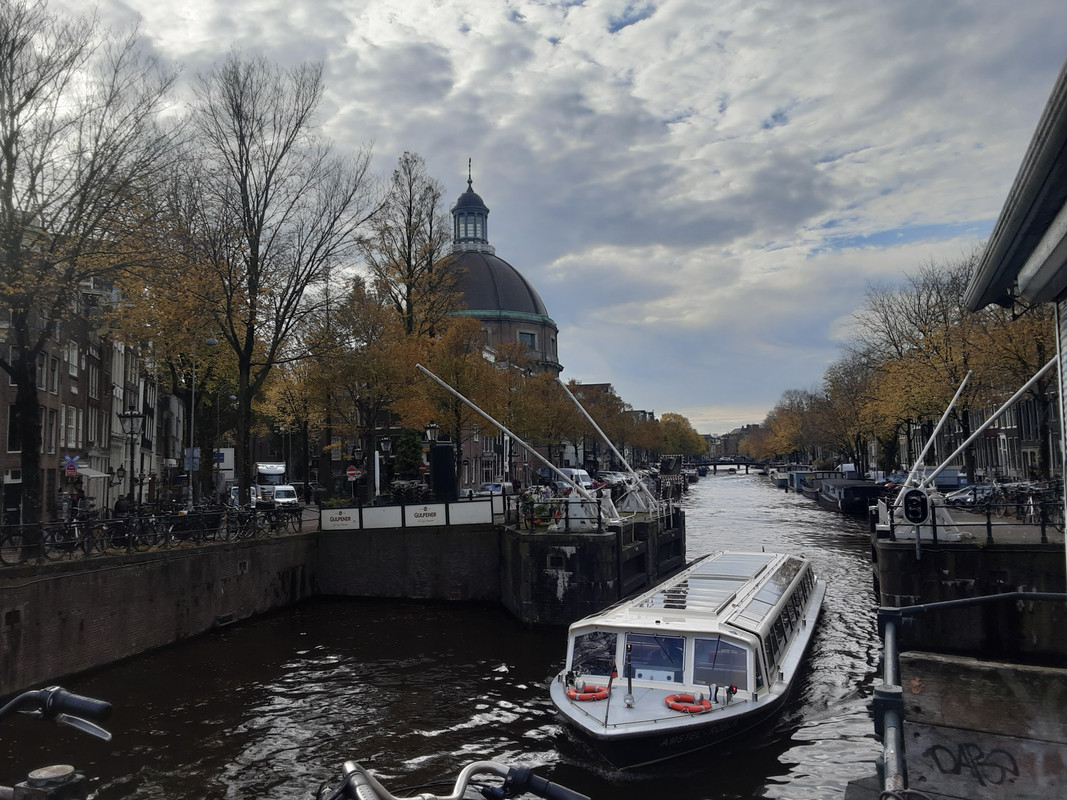
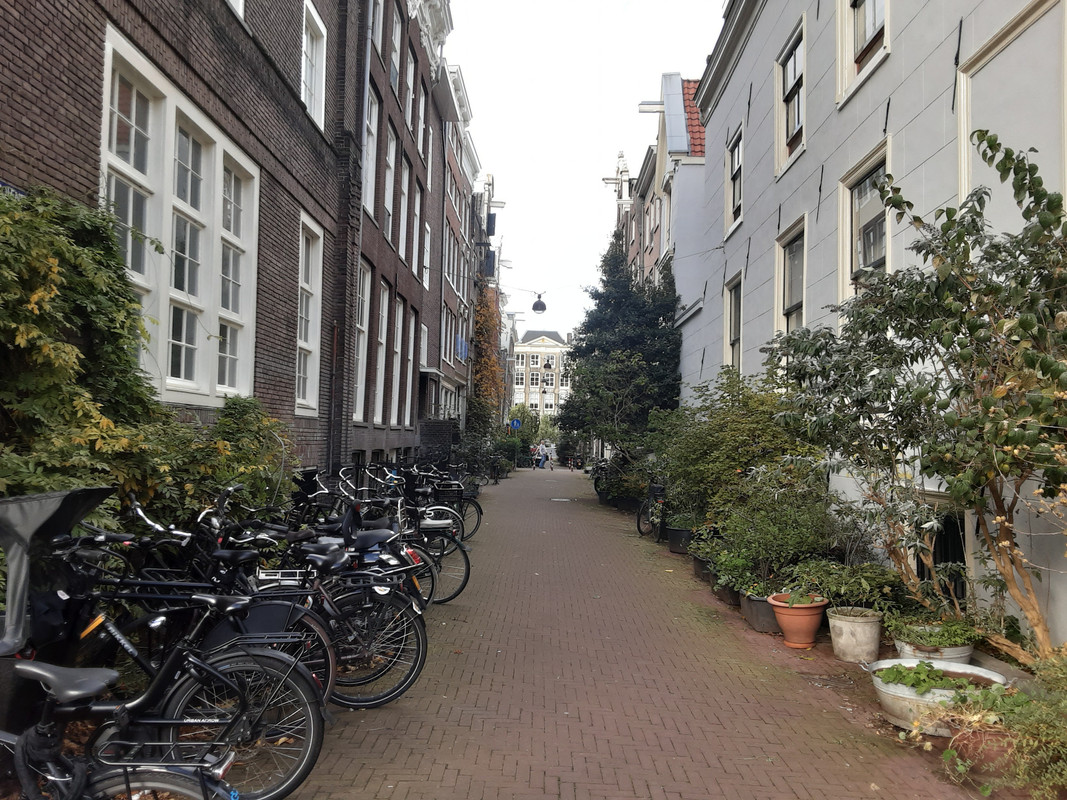
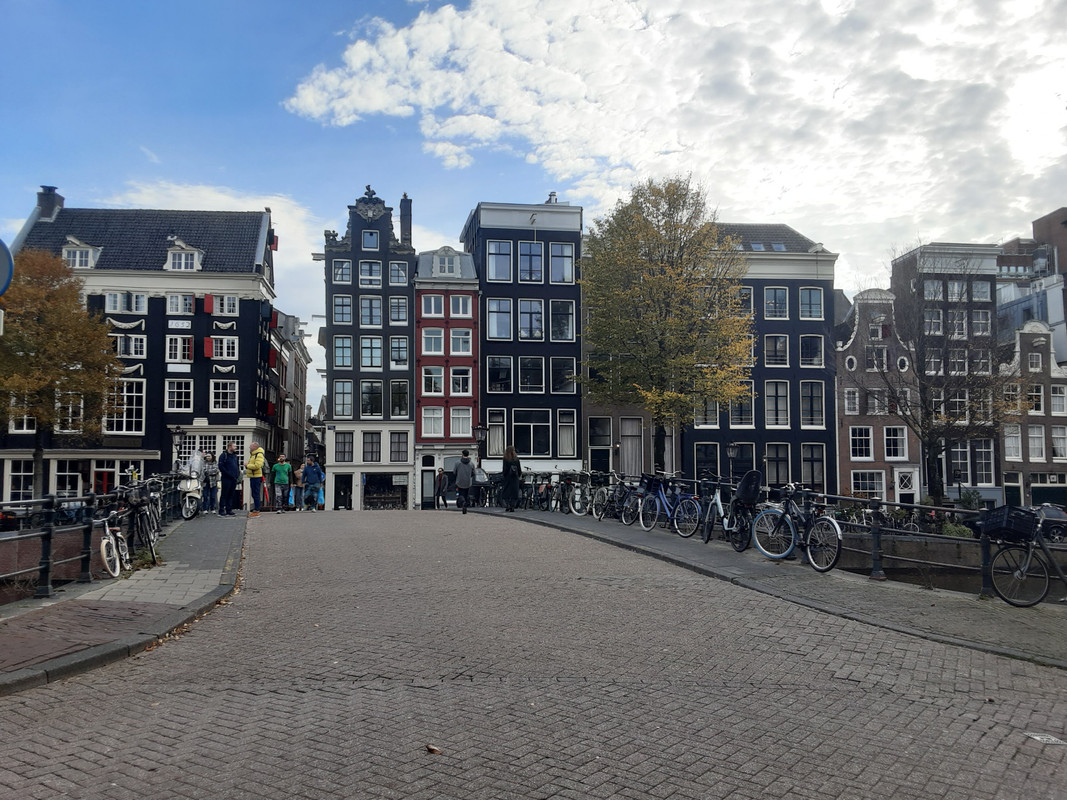
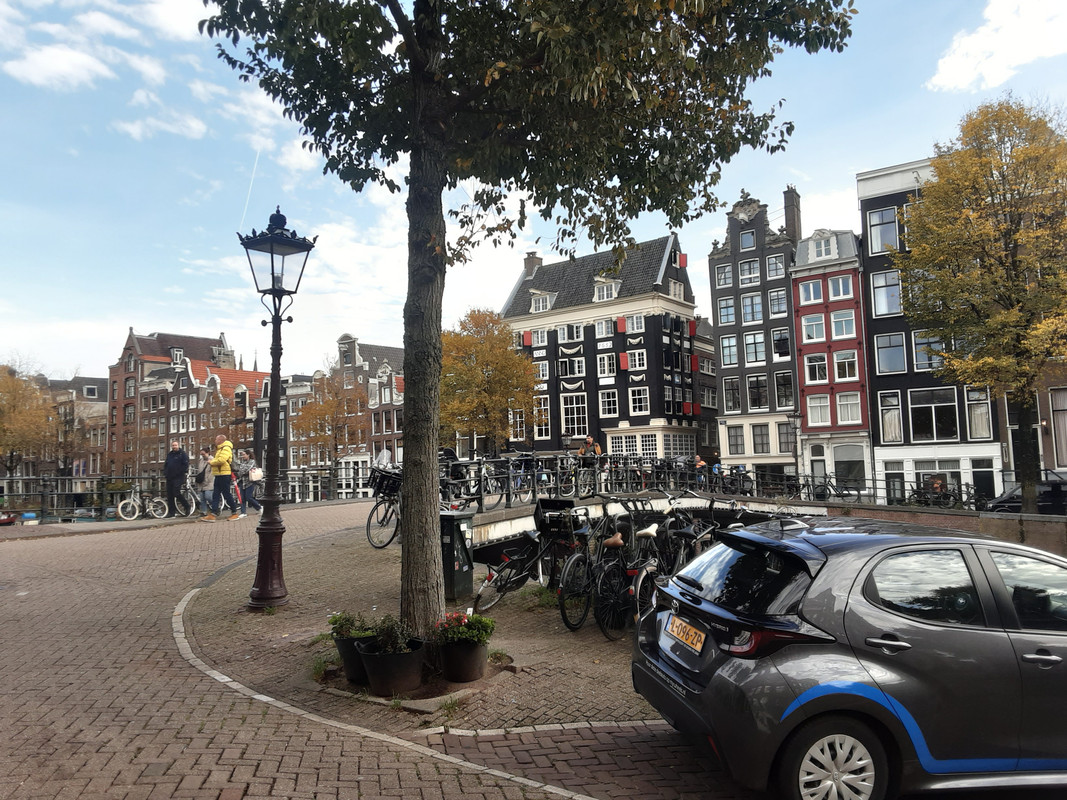
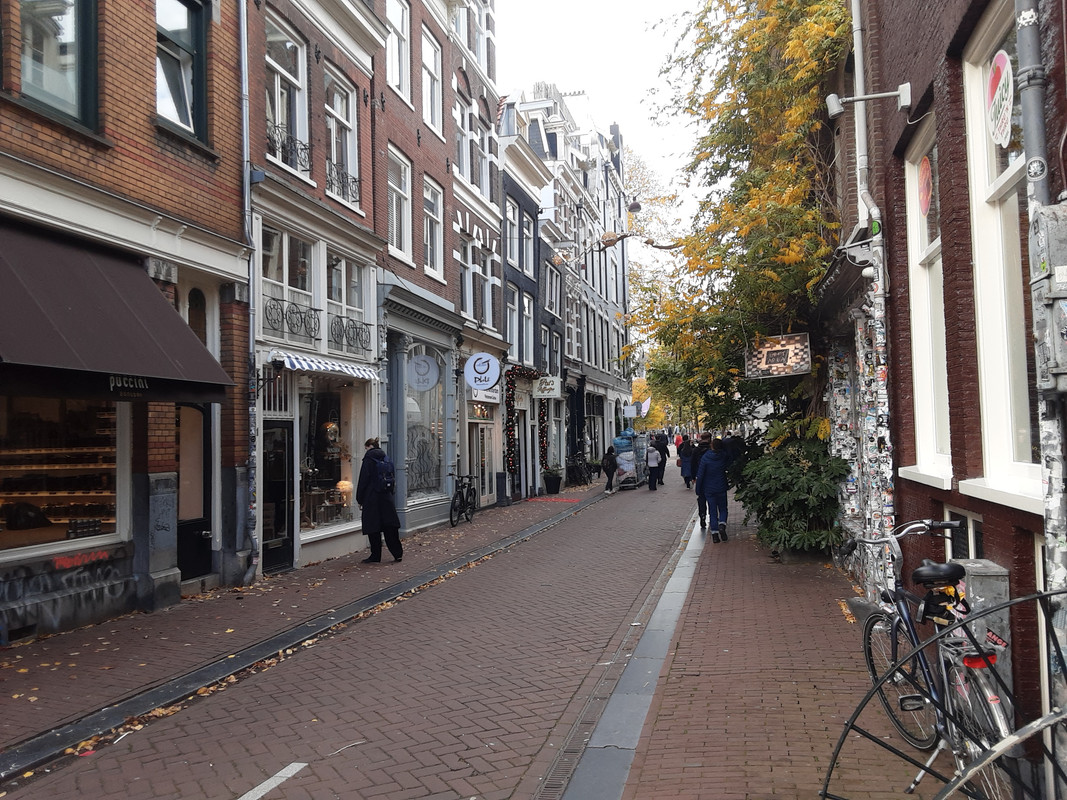
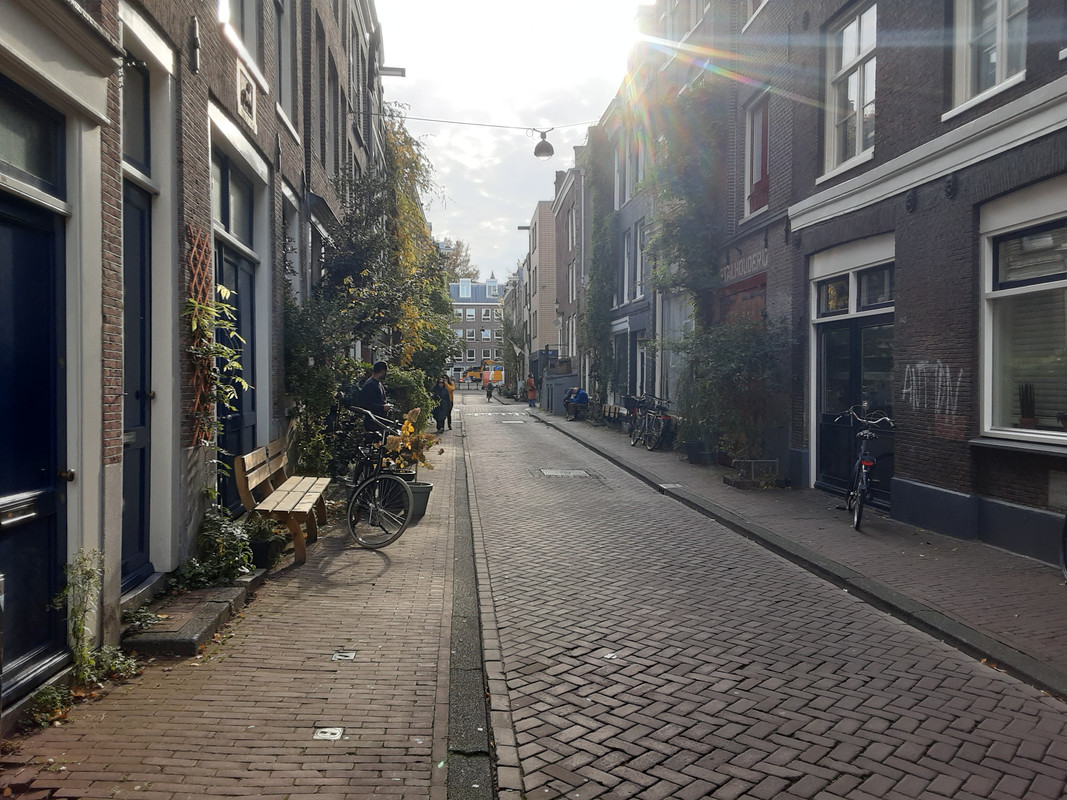
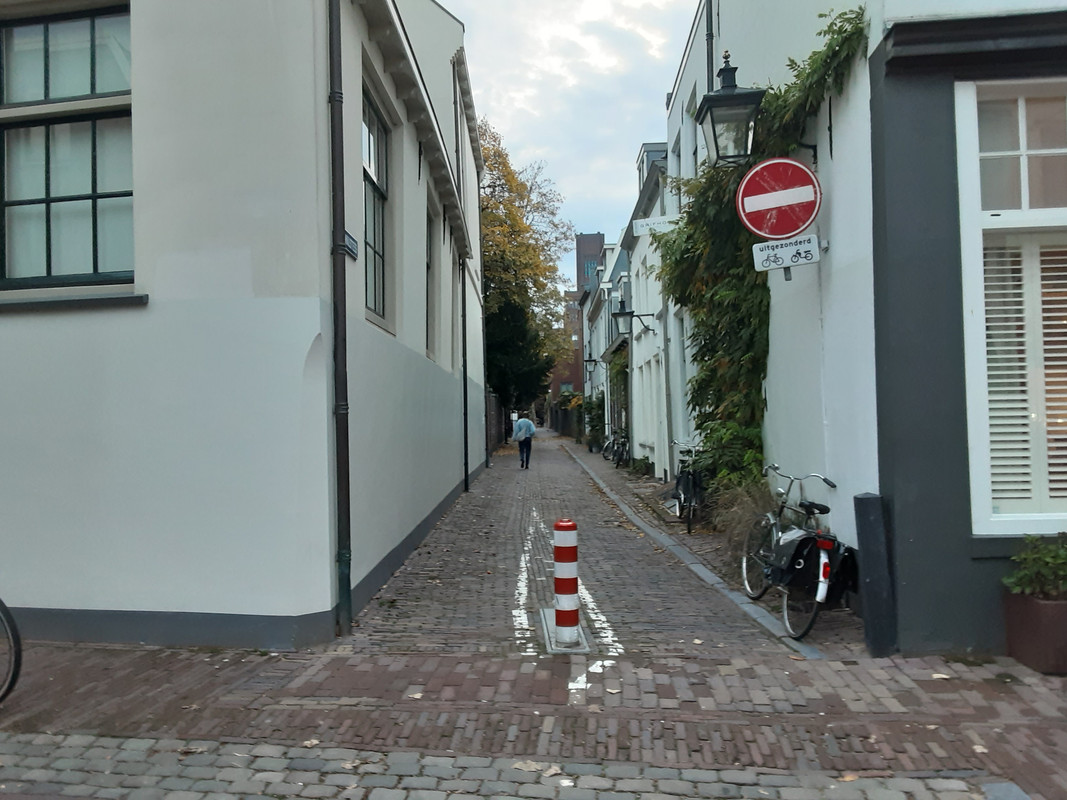
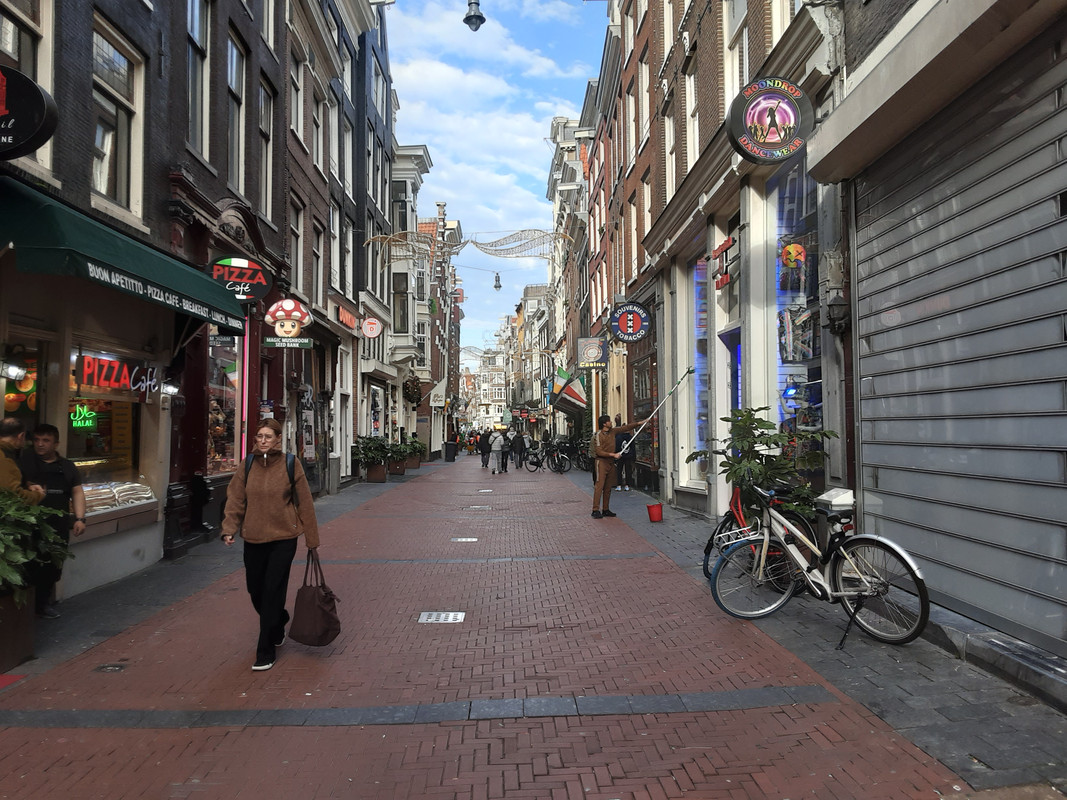
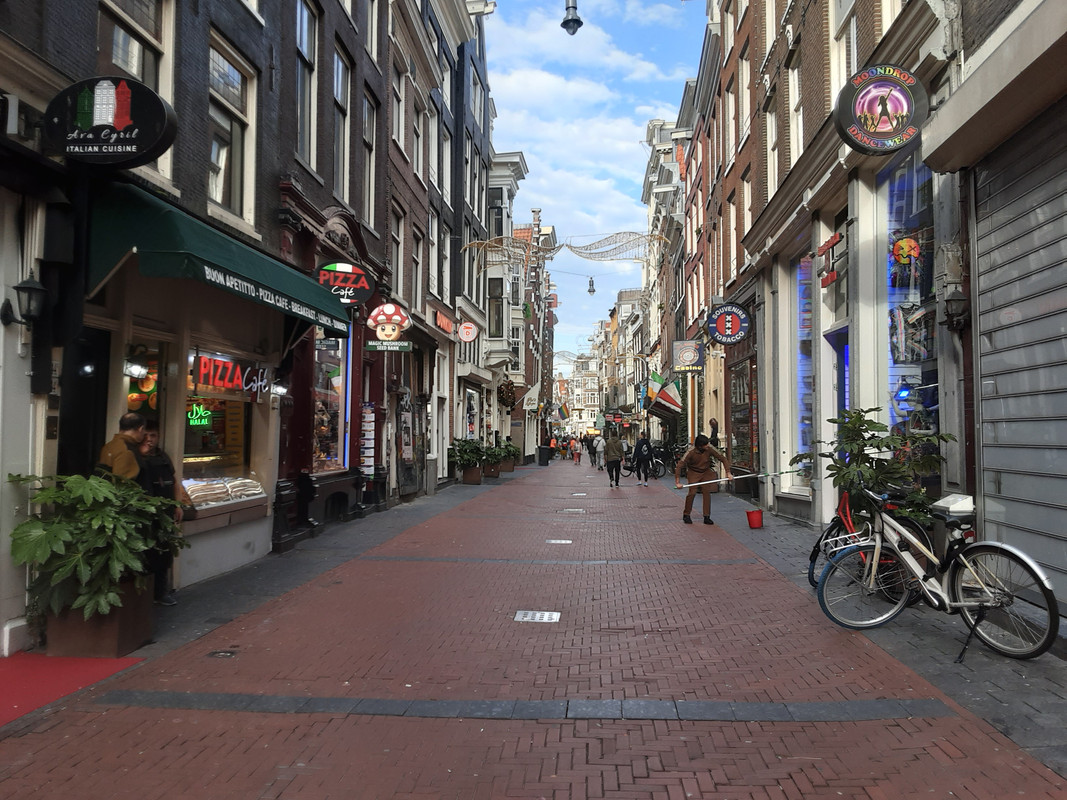
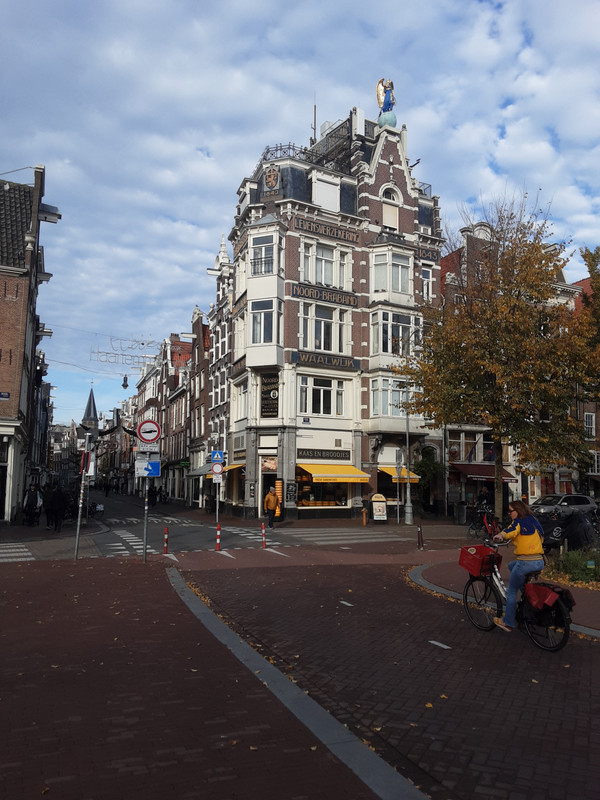
Some more pics of Amsterdam.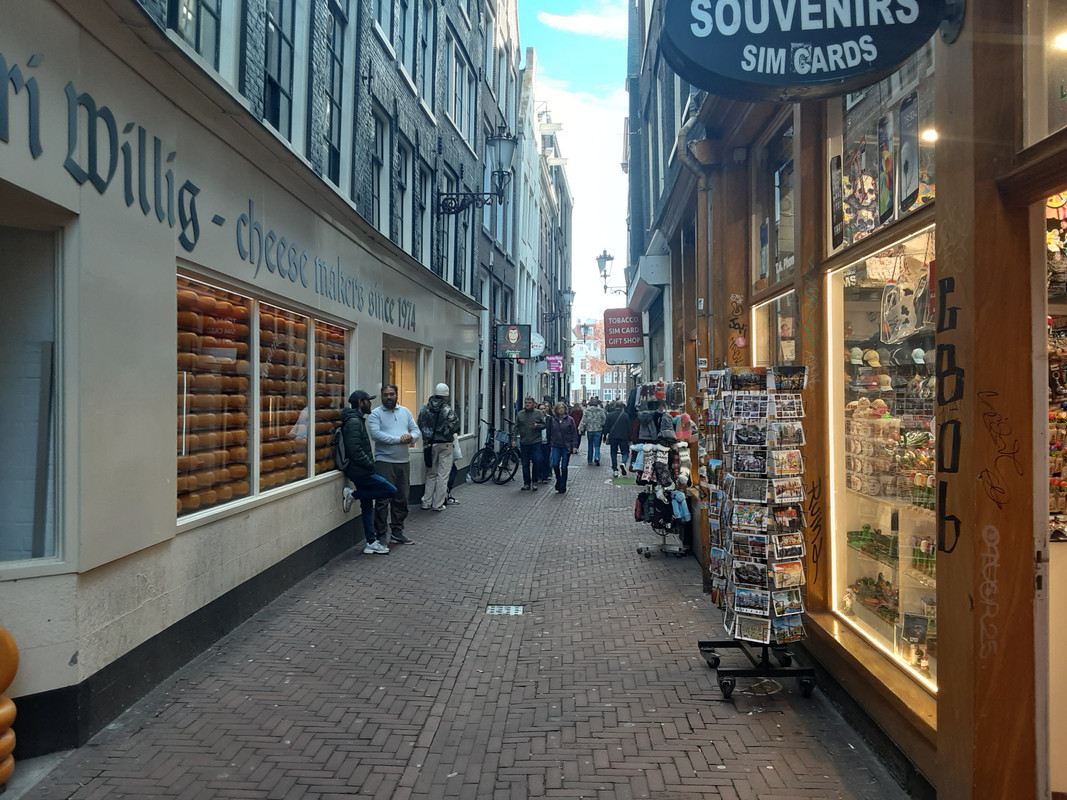
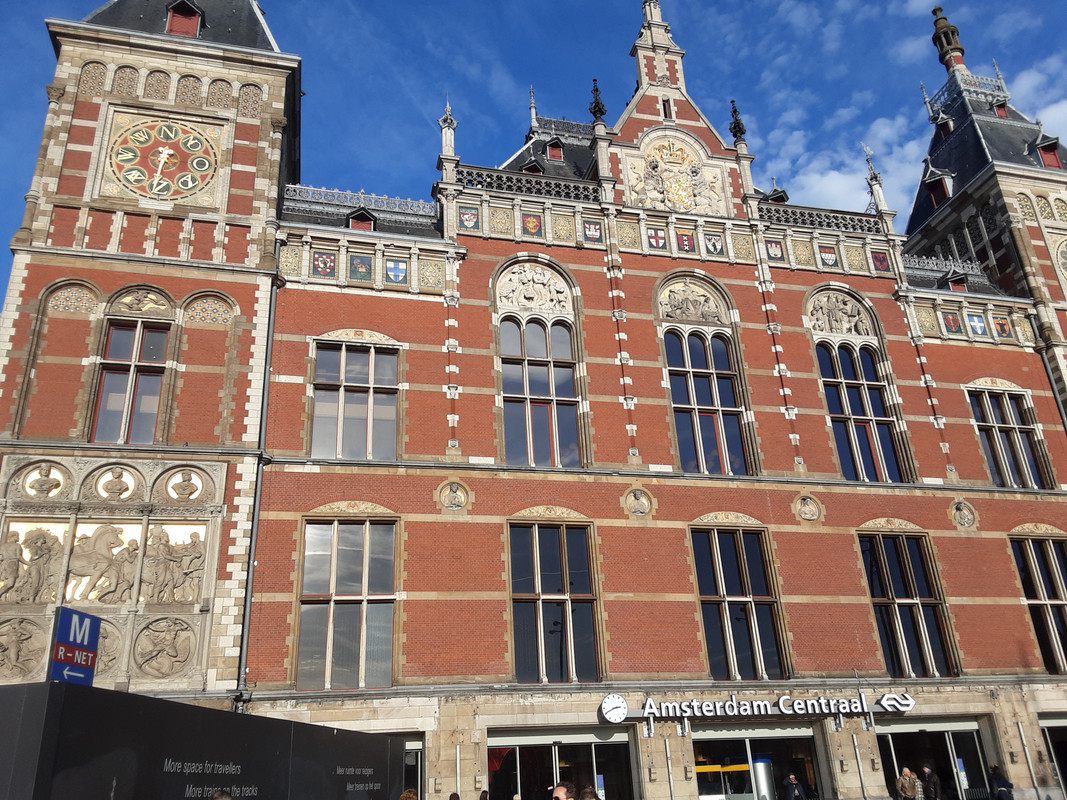
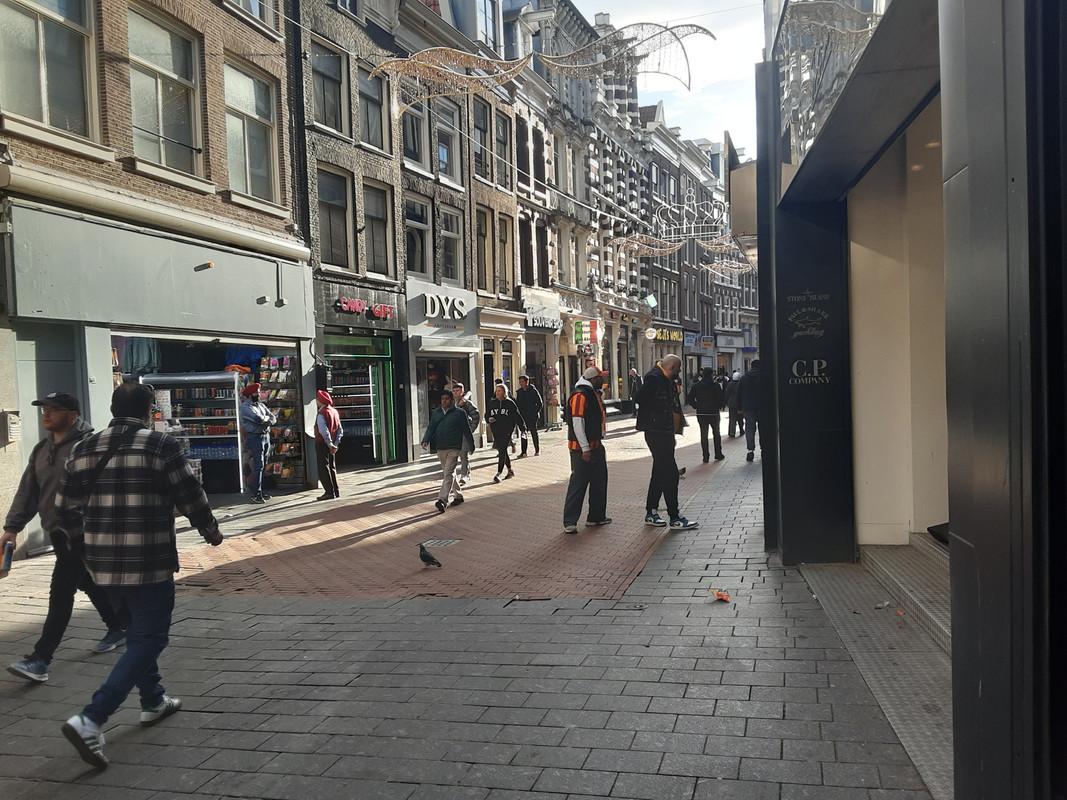
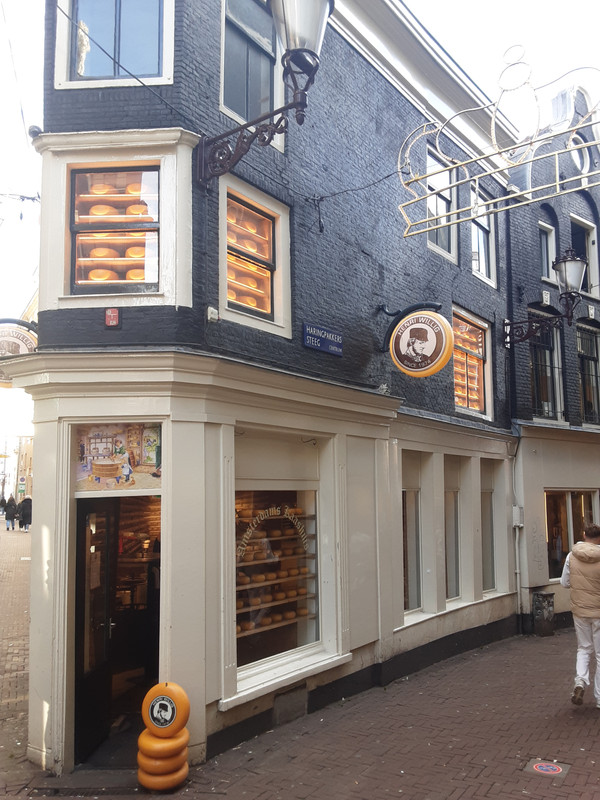
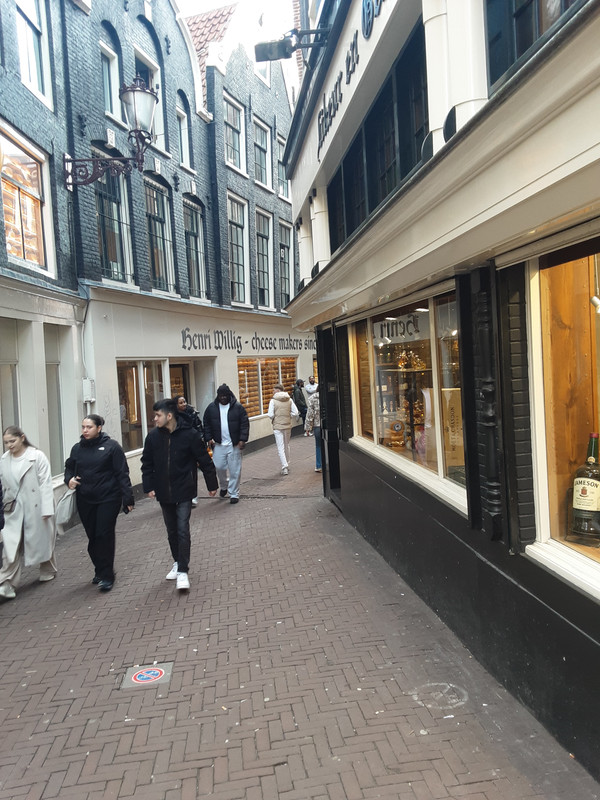
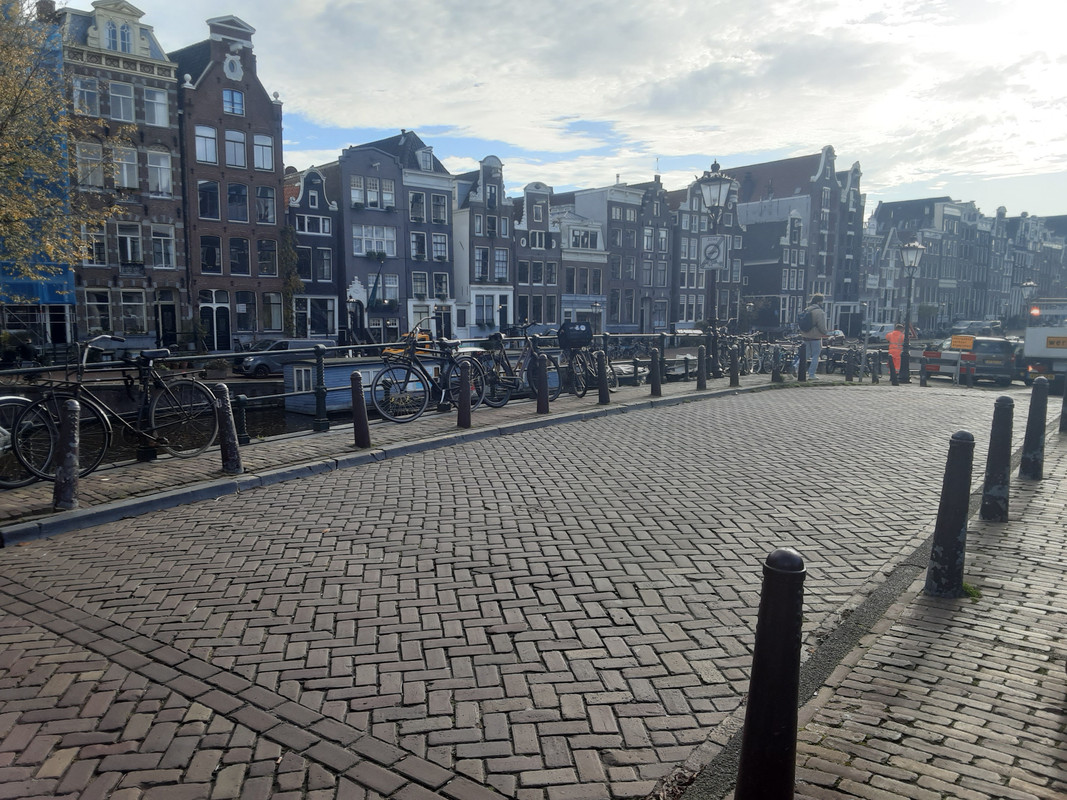
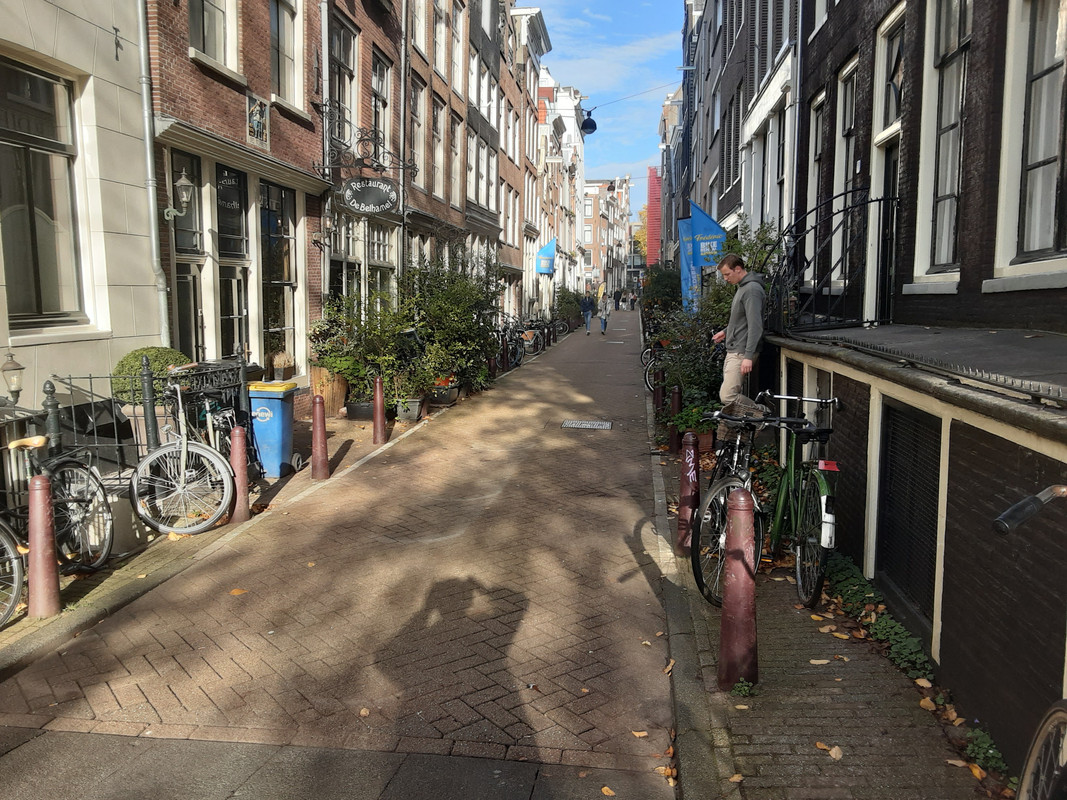
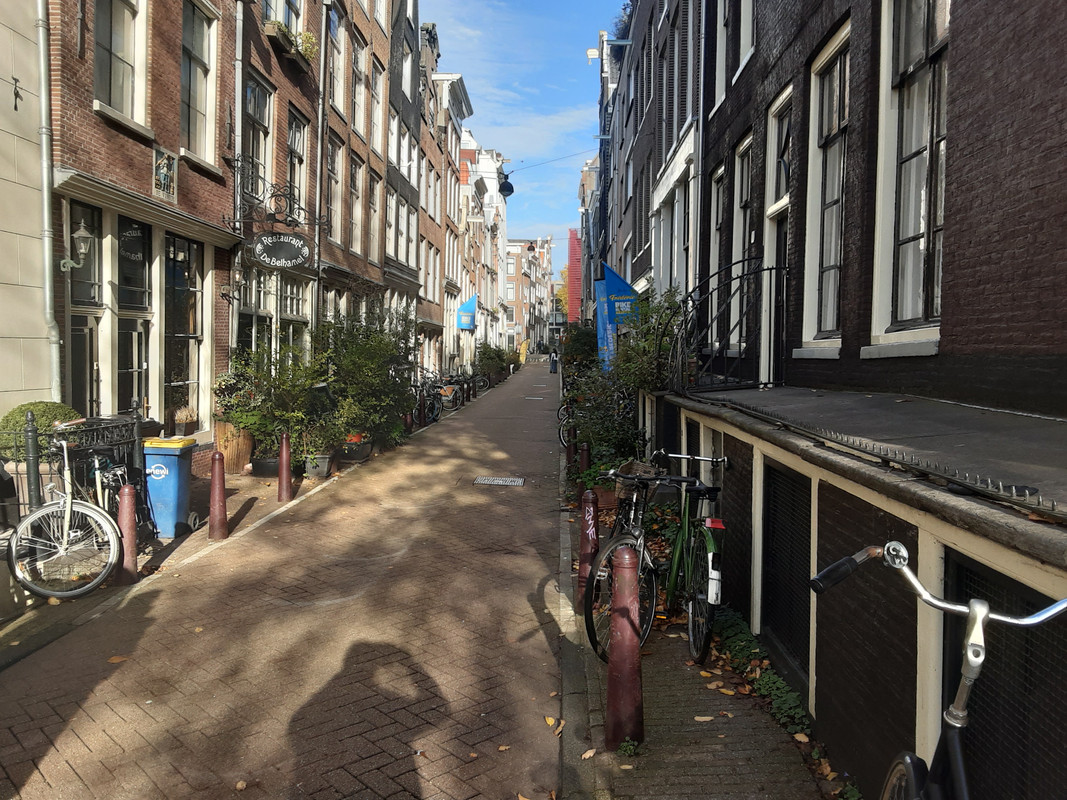
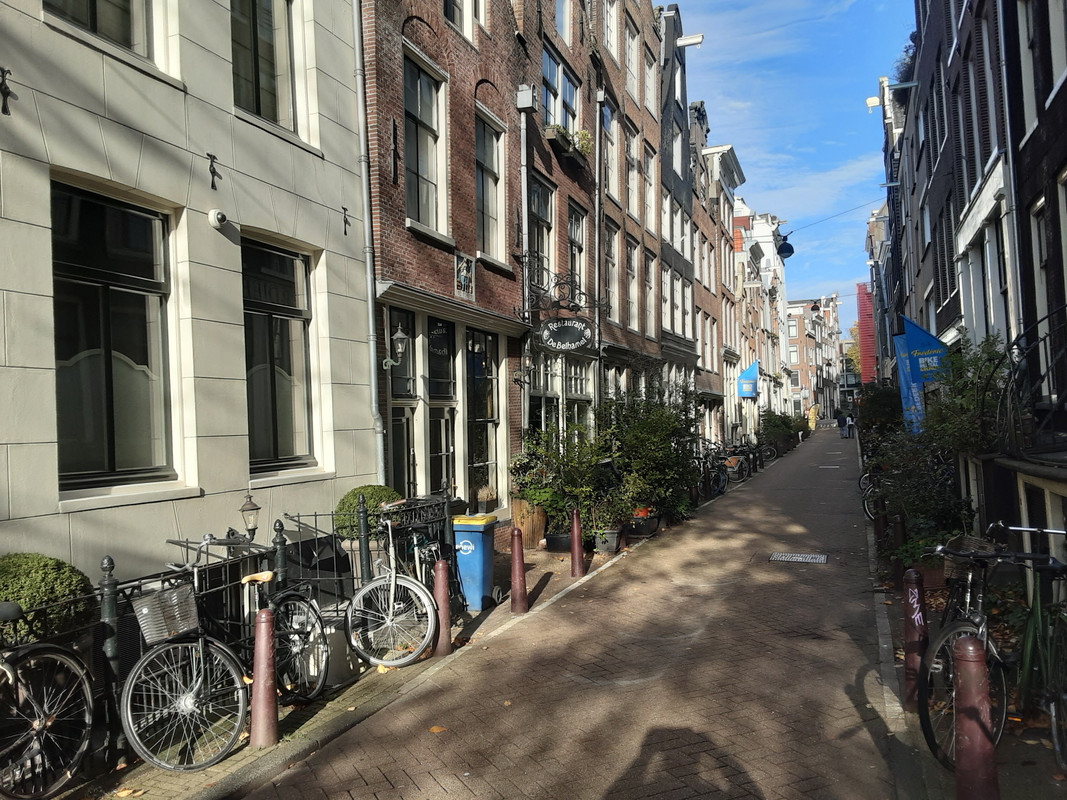
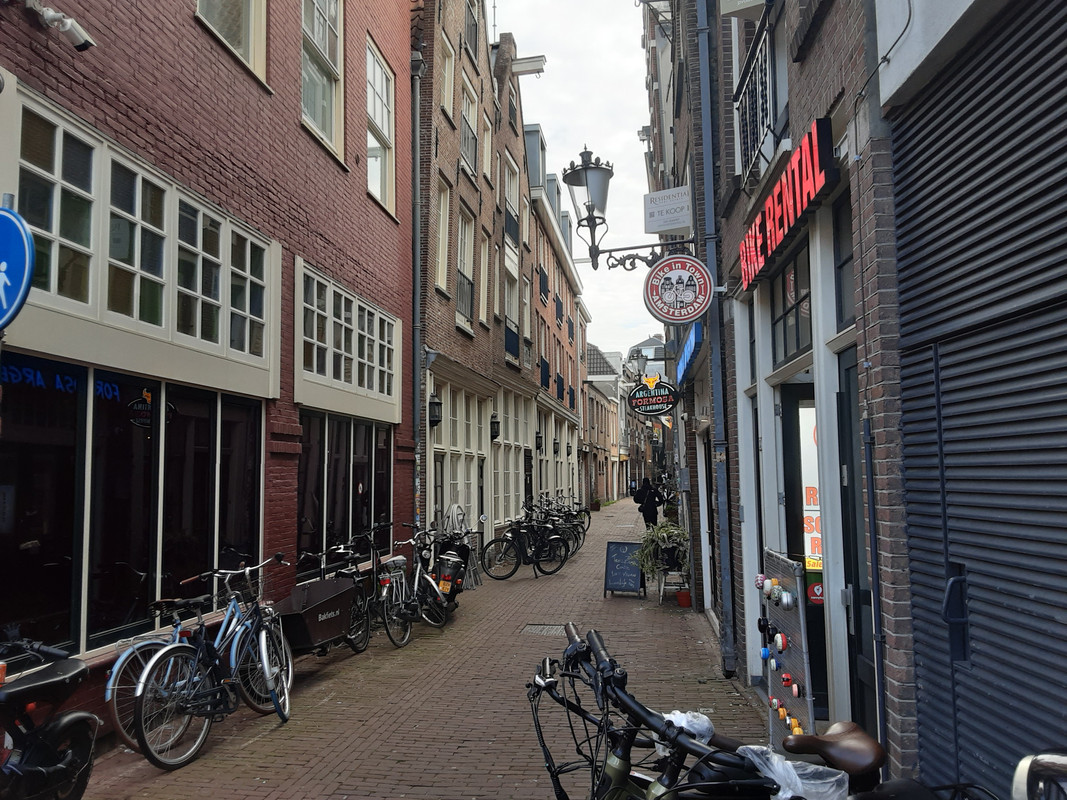
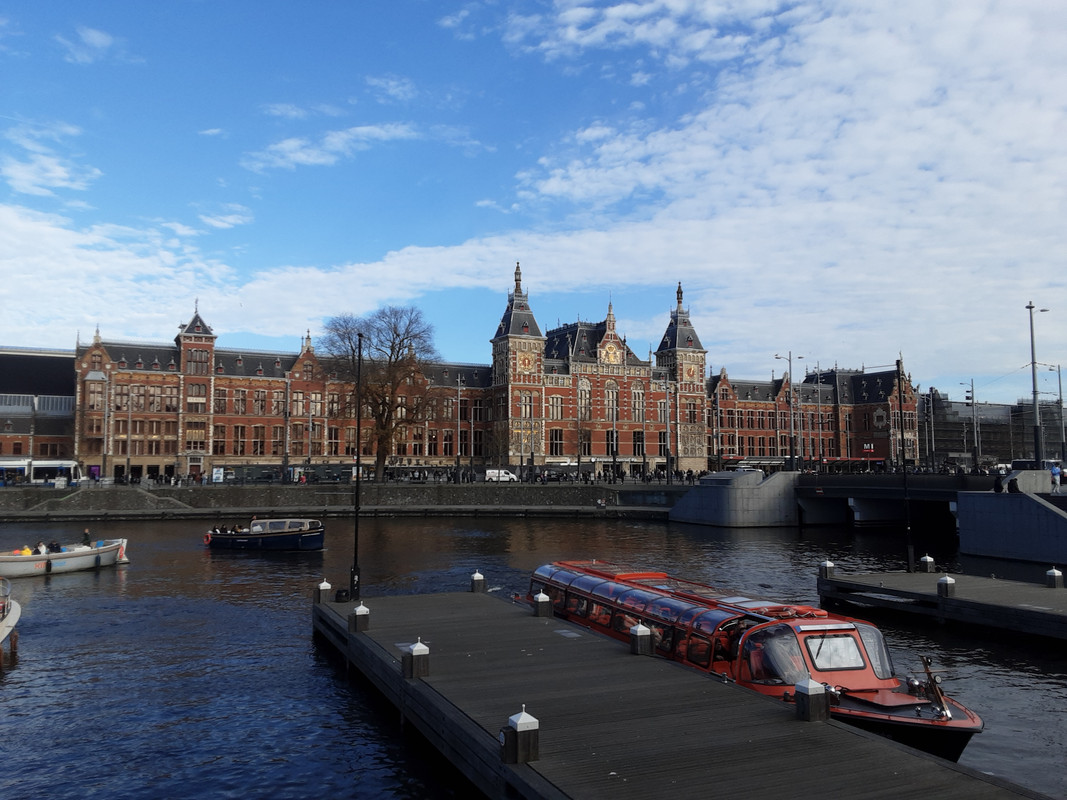
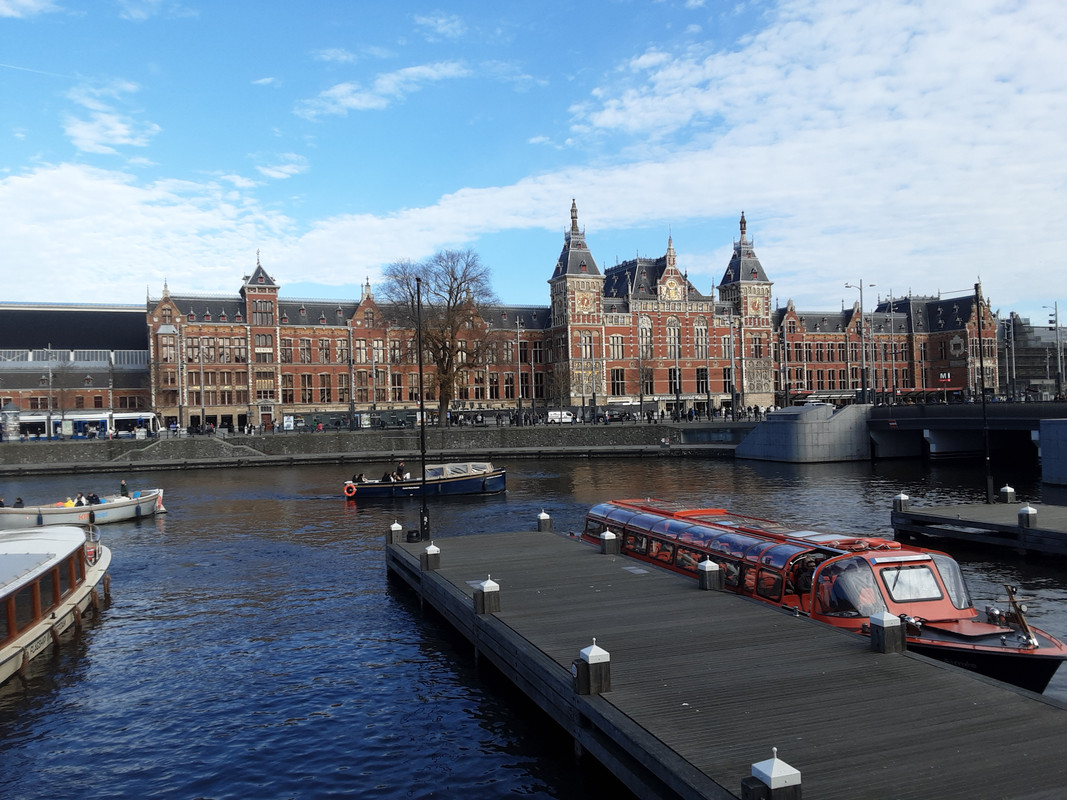
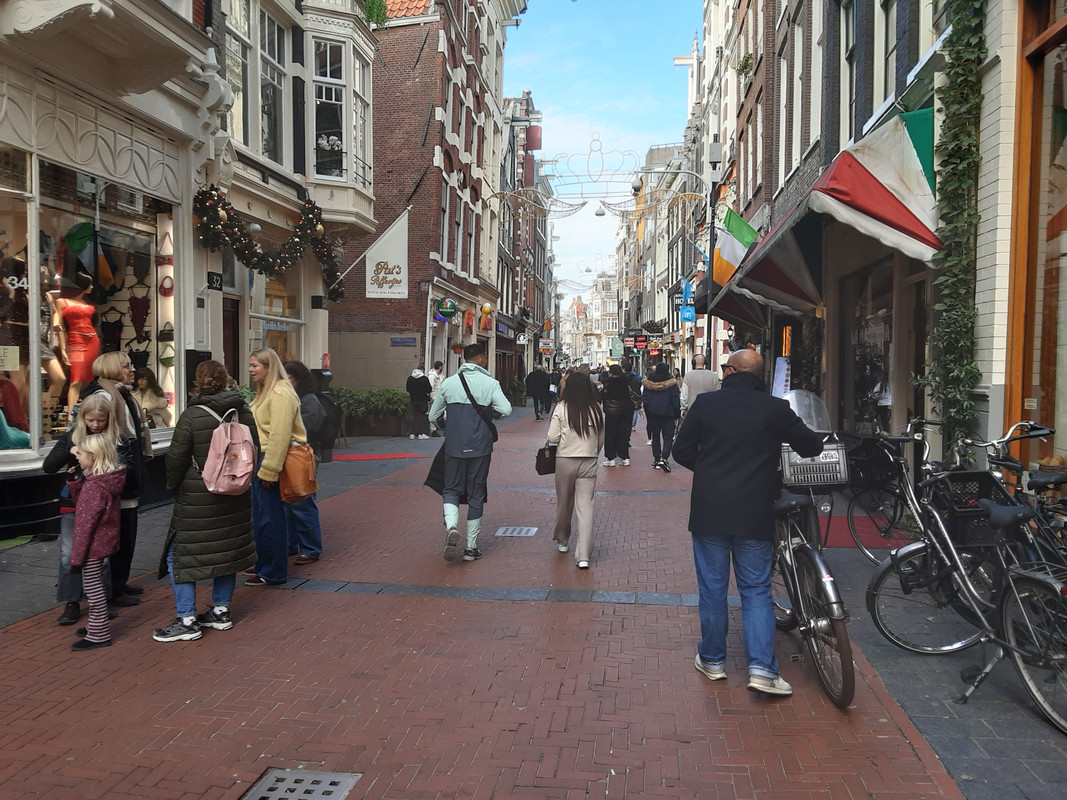
#86 Exploration to Settlement Creation » Pedestrian Martian Cities » 2025-11-05 15:26:23
- Calliban
- Replies: 6
Mars is something of a paradox. In theory, it has more land than any nation on Earth. Indeed, it has as much land as the entirety of Earth. In the early years of colonisation, land will be free. For a long time to come, it will be cheap. But aside from mining rights, it is also worthless. Nothing can grow in the dry, toxic soil surrounded by vacuum. And a house built on the surface of Mars would be uninhabitable as it would contain no air. We could build cities as a network of pressurised buildings, each surrounded by vacuum. But that would mean donning spacesuits to move between buildings or having pressurised passageways, which will be single point failures. Humans also seem to prefer open air environments that provide a sense of space. I think it most likely that city districts will be built as single pressurised enclosures, with non-pressurised buildings within. District enclosures will be connected by underground, pressurised passageways. This allows the city to grow over time, by adding more modular districts.
Land within the enclosure will be expensive. This is inevitable, as we must construct a pressurised enclosure around it. This could be a tensile structure, like a dome. Or it could be a gravity pressure vessel, using the weight of an overbearing mass of soil to counterbalance internal pressure. But either way, habitable space on Mars requires no small amount of engineering. When living space is expensive, the architecture should make the most efficient use of it possible. For small spaces, no more than a few hundred metres across, we don't need cars or even bycycles to move people and goods within an urban district. All transportation within will be by foot, with perhaps handcarts used to transport heavier and bulky goods over the short distances within districts. This is an opportunity as much as a challenge.
Cities were built in this way for thousands of years before the car ruined the urban landscape with cancerous urban sprawl. In the modern city, far more land is devoted to cars than to buildings. This has expanded the footprint of cities, to the point where they are so large that they are inaccessible to a man on foot. This has led to a form of cancer. The more unpleasant and sprawled the urban environment became, the more people desired to escape it and the more they needed motorised transportation to navigate it. In the race to achieve infinite personal mobility, mankind built urban environments that are a grim dystopia that everyone is desperate to escape from. This created a positive feedback that could only be exhausted by depletion of resources. The US took this further than any other nation, because its resources and land area provided no natural breaks. The more unpleasant the environment became, the more the demand for transportation grew, as people desired to live outside of it, but still needed the income it provided. At no point were the people involved prepared or able to realuse that they were the problem.
The cities of the Netherlands are unique in the fact that there was insufficient land to allow this cancer to spread very far. Dutch cities have preserved their preindustrial pedestrian character. The bycycle has improved mobility within the limited space available, but cities lacked the space for cancerous urban sprawl in the way that American cities did. So Dutch cities focussed on improving the limited environments that they had. The UK is part way between the Netherlands and the US in terms of the amount of land available. As a result, the cancer of urban sprawl started, but never went as far as it was able to in the US. With far fewer resources and far less land, the Netherlands has succeeded in building livable urban environments that Britain can only aspire to and Americans can only dream of. This makes Dutch cities a perfect case study for the development of Martian cities, where habitable land will similarly be constrained. Martian cities will be compact and pedestrian. I raise this thread in an attempt to explore how Martian cities will develop within the constraints imposed by the Martian environment.
#87 Re: Not So Free Chat » Zaanse Schaanes Windmill Museum, Holland. » 2025-11-04 15:16:43
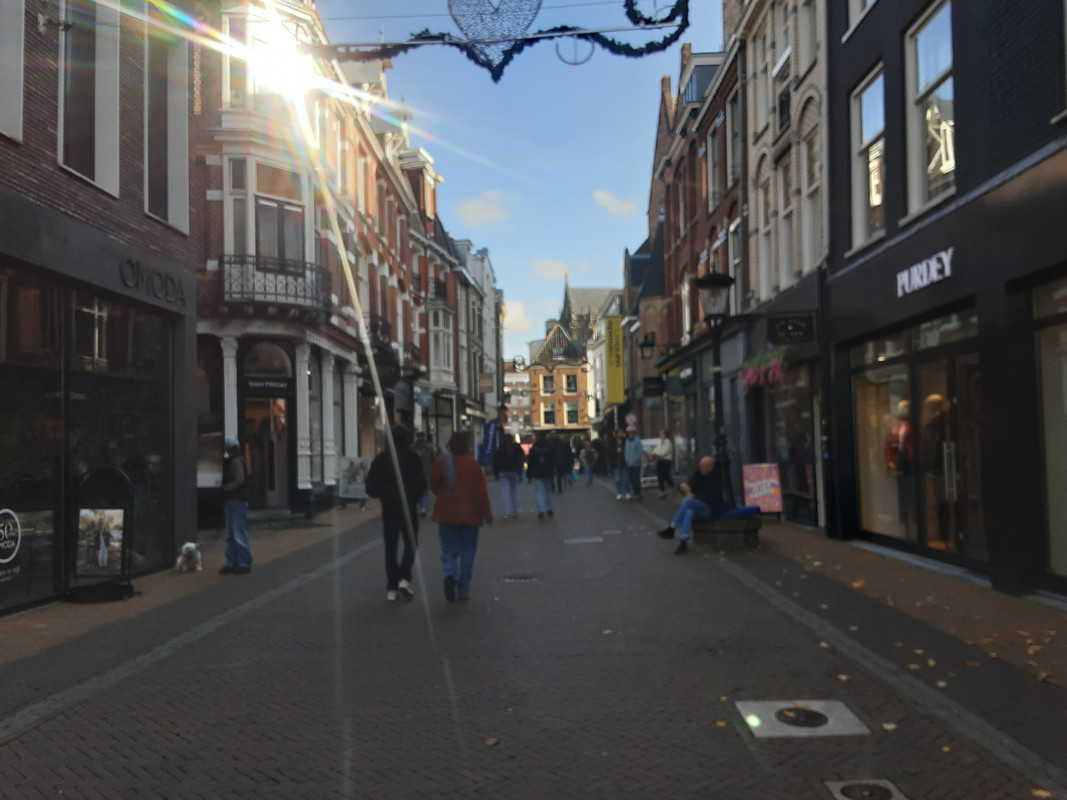
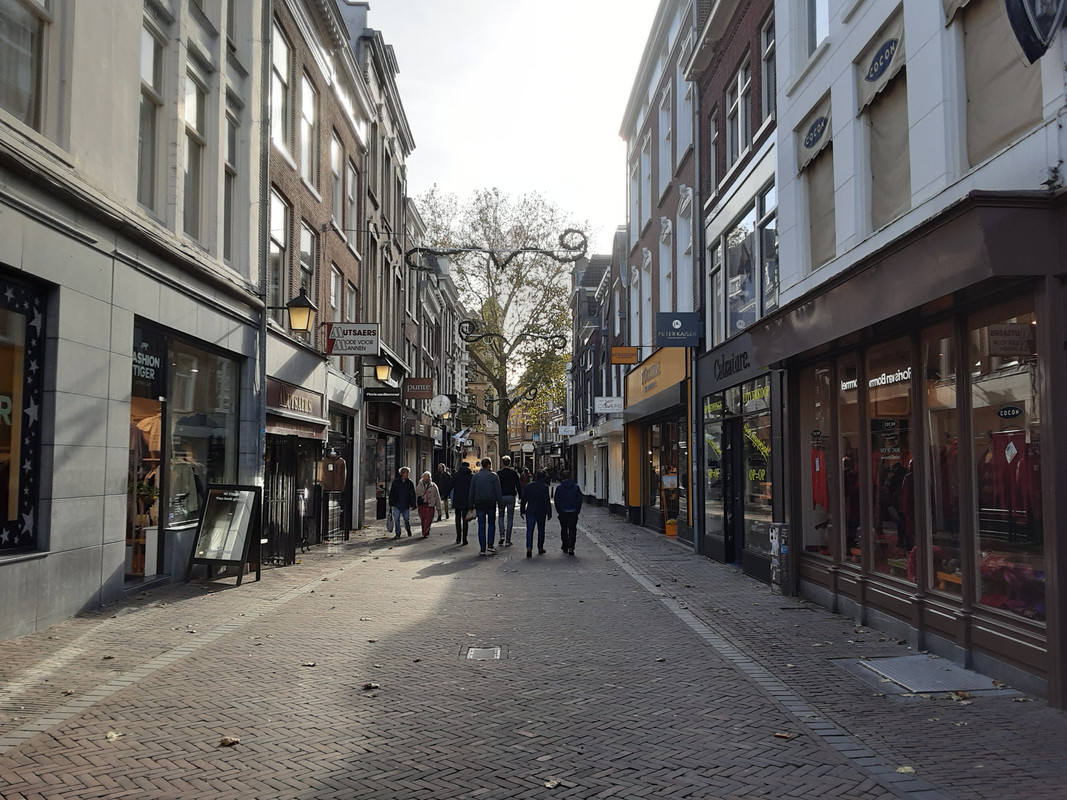
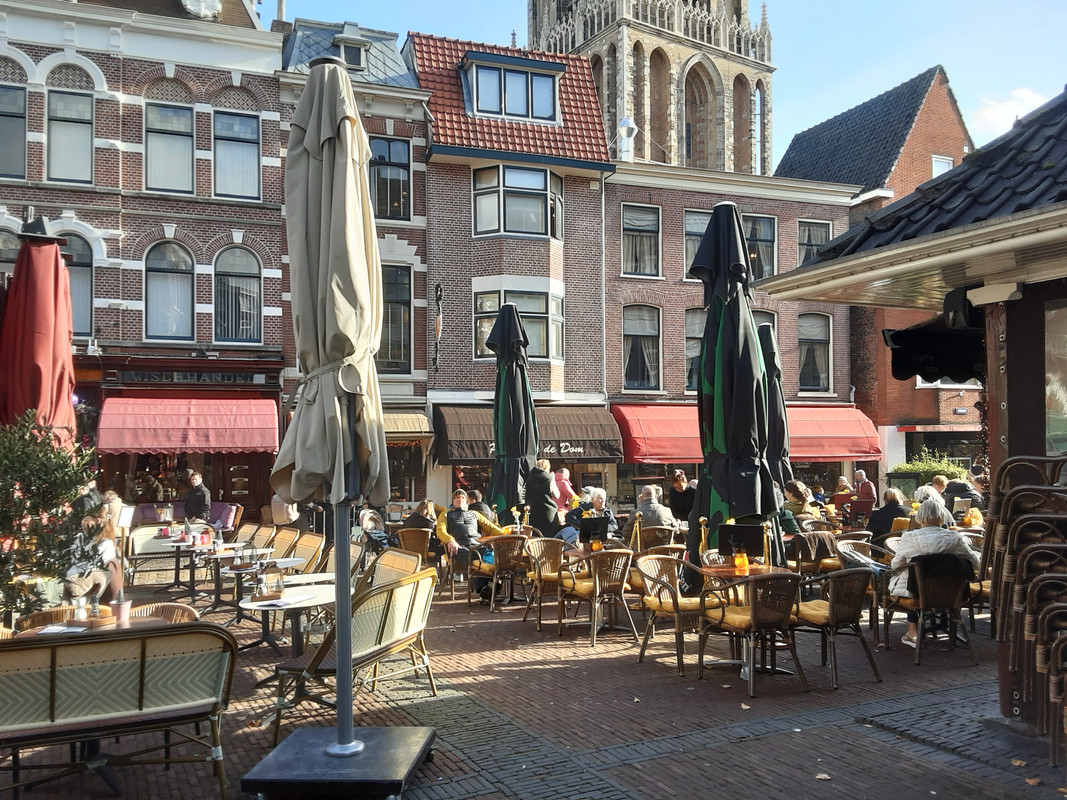
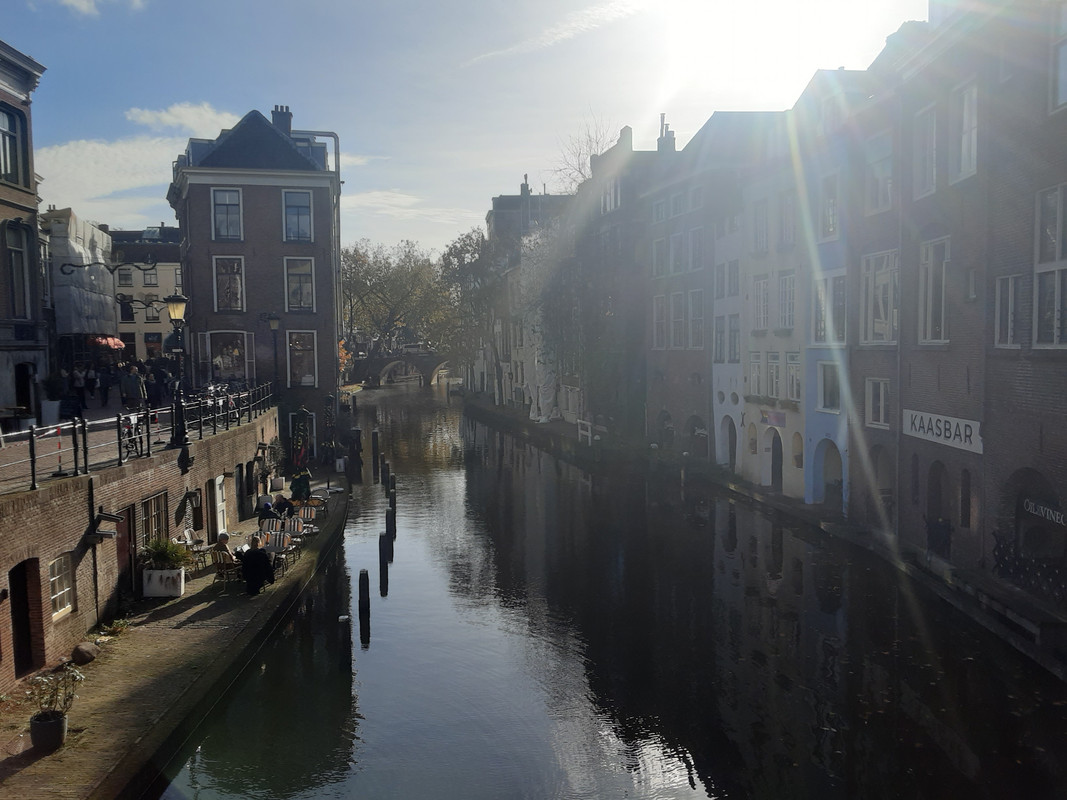
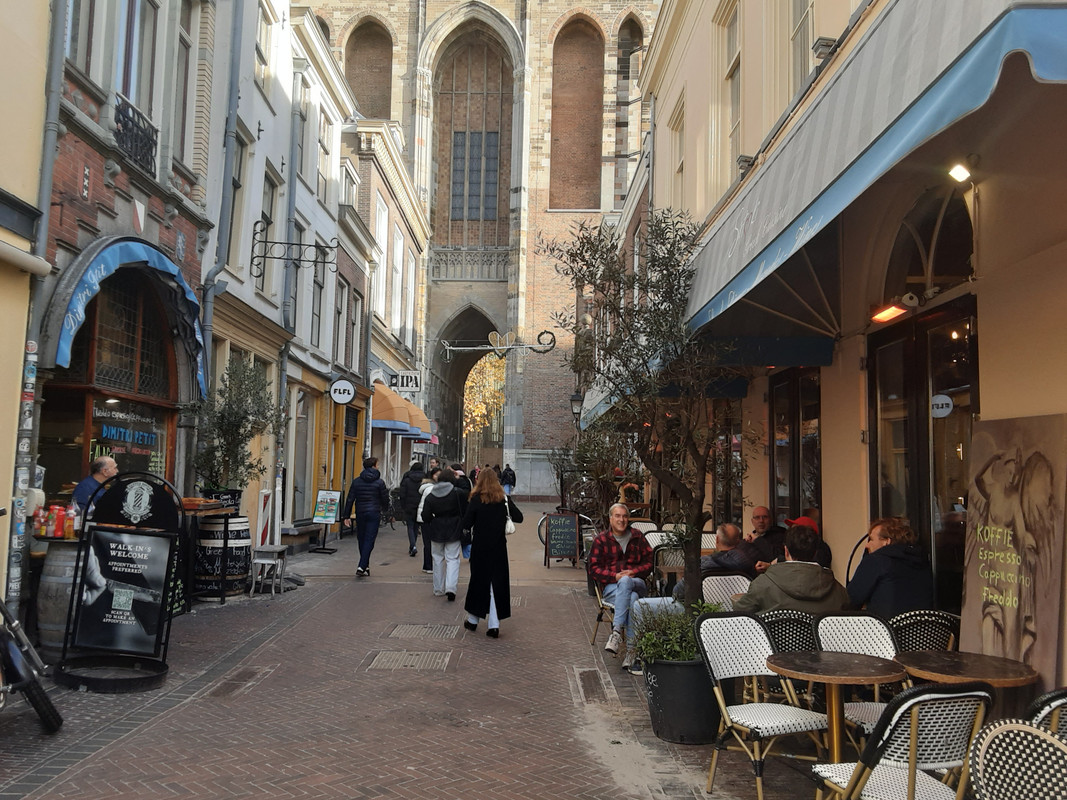
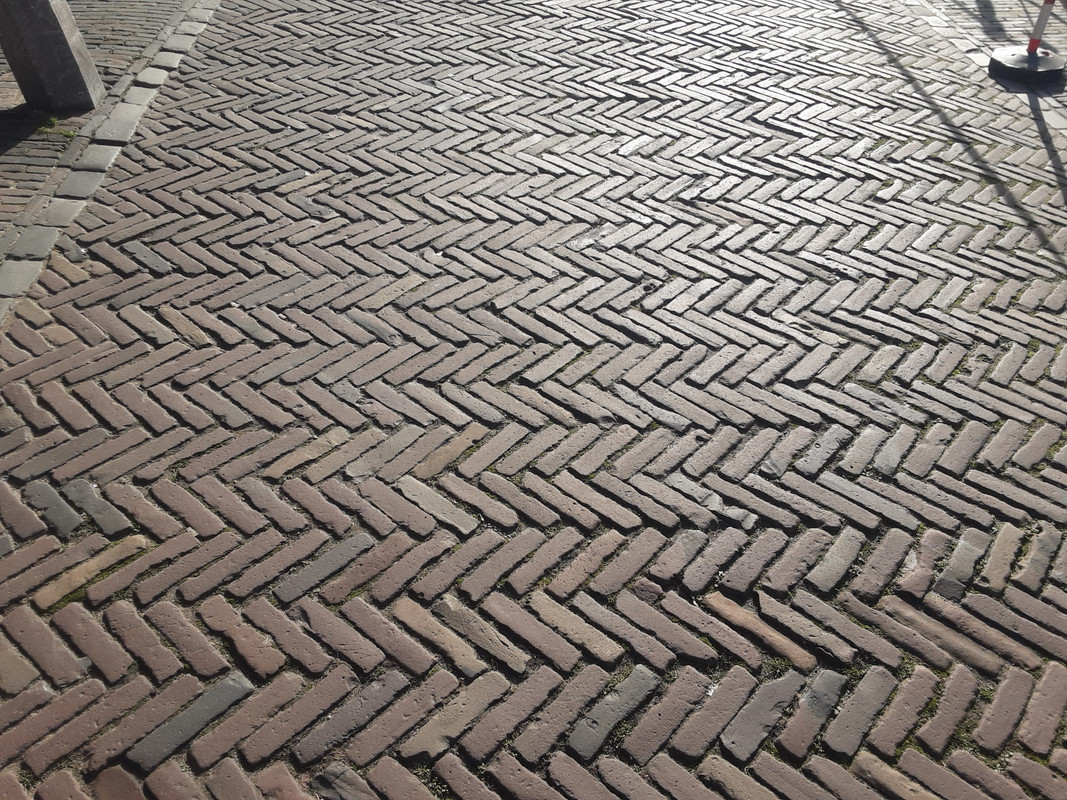
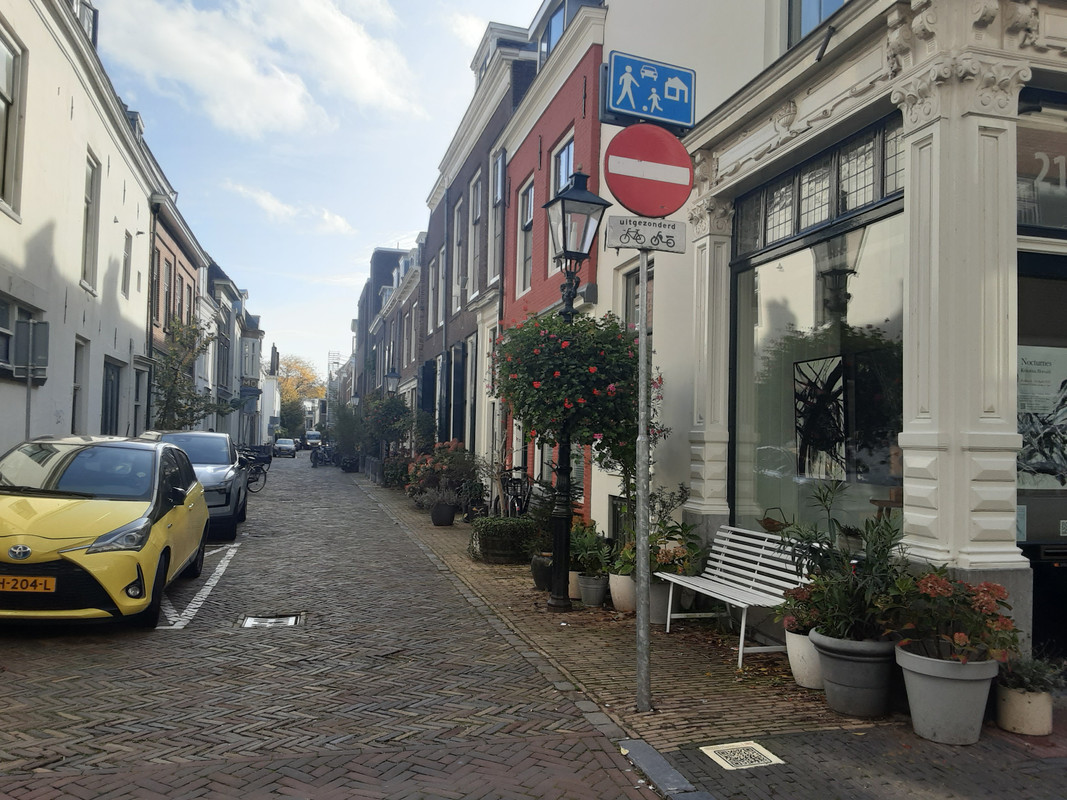
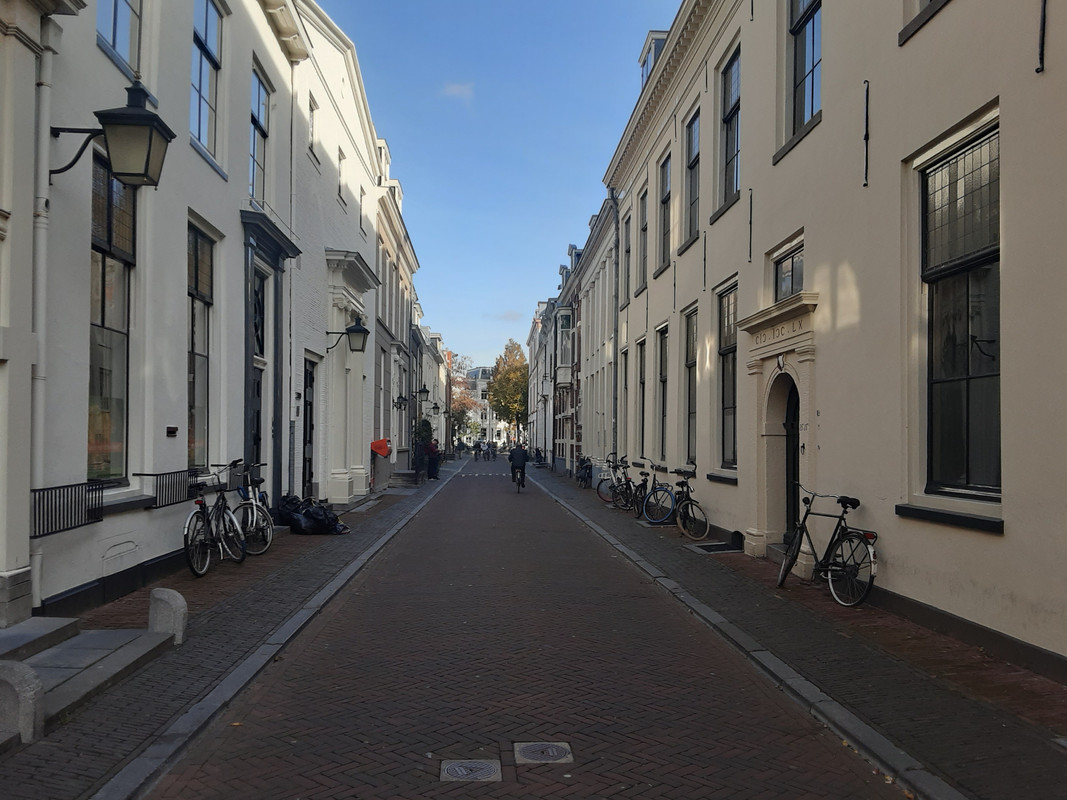
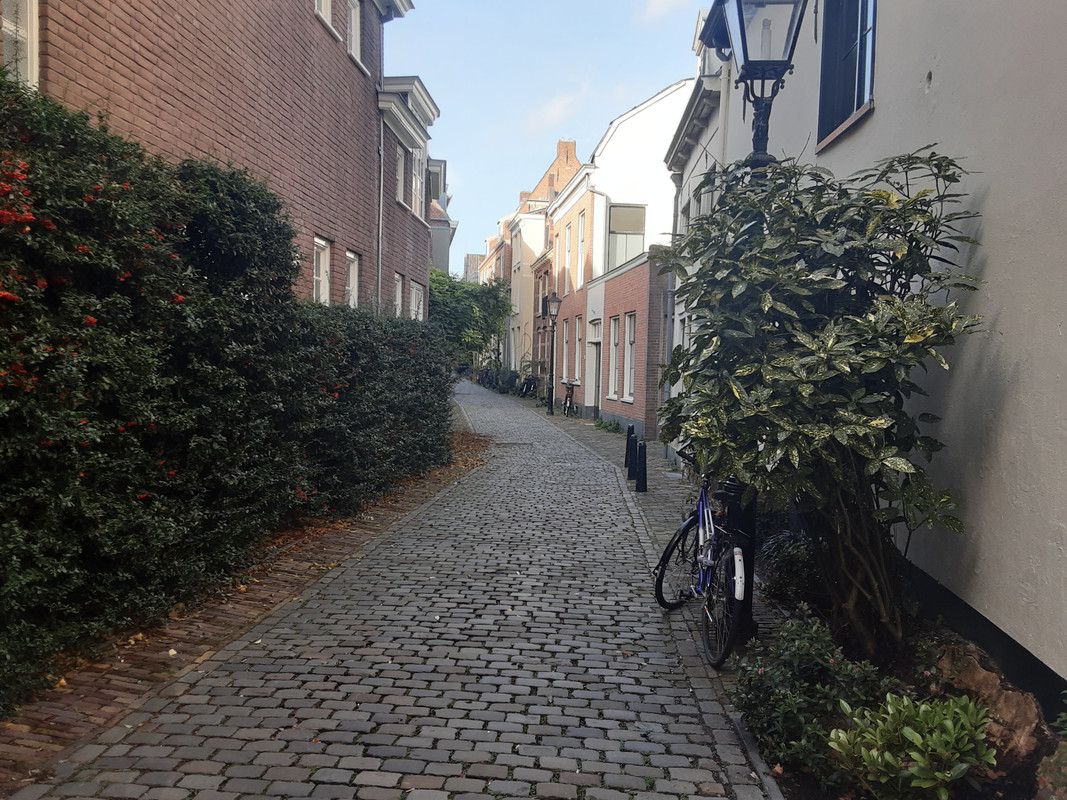
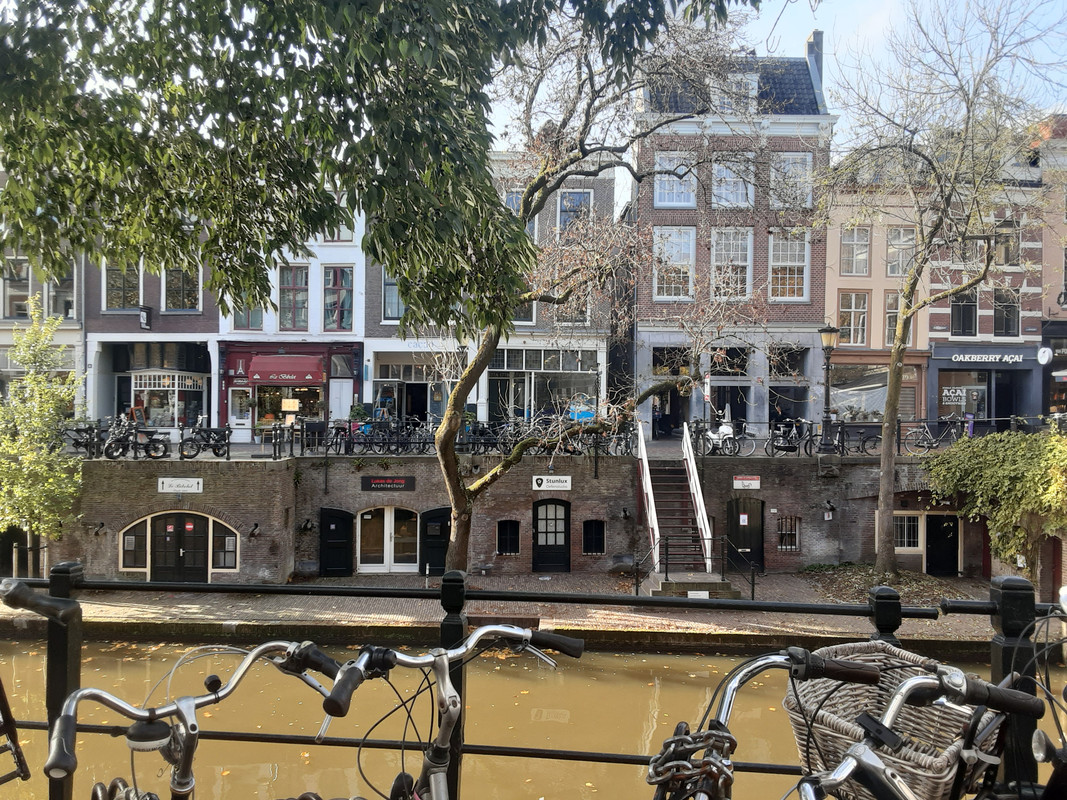
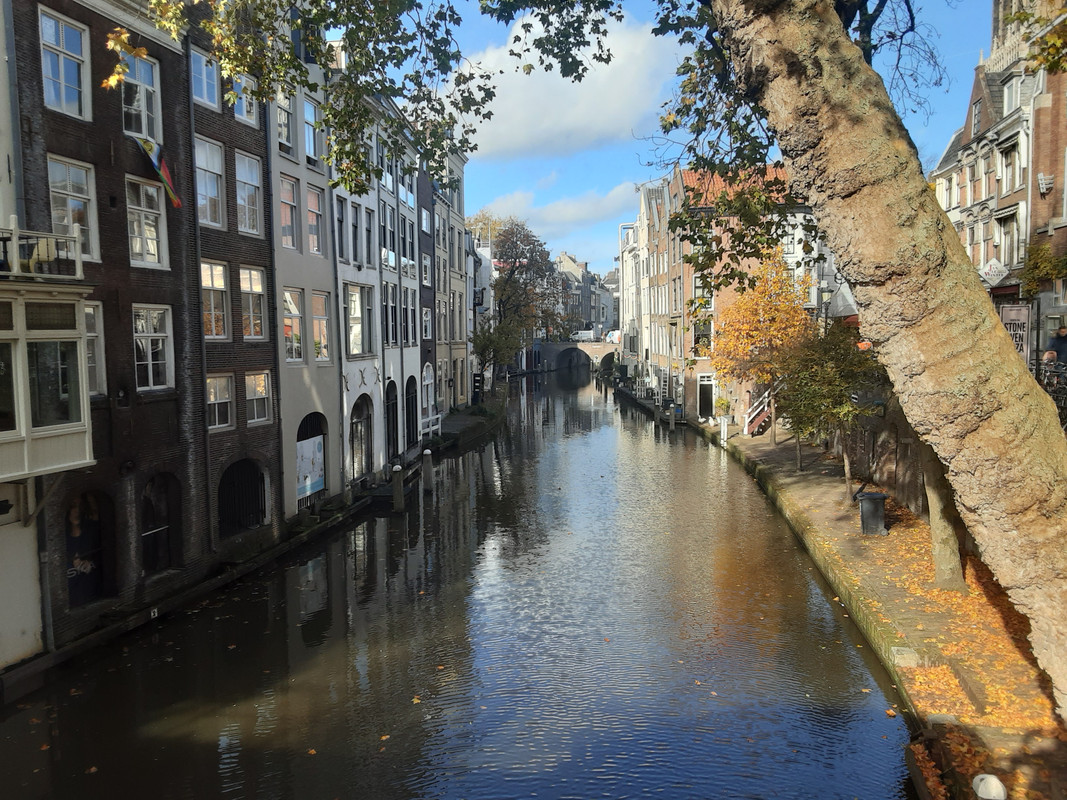
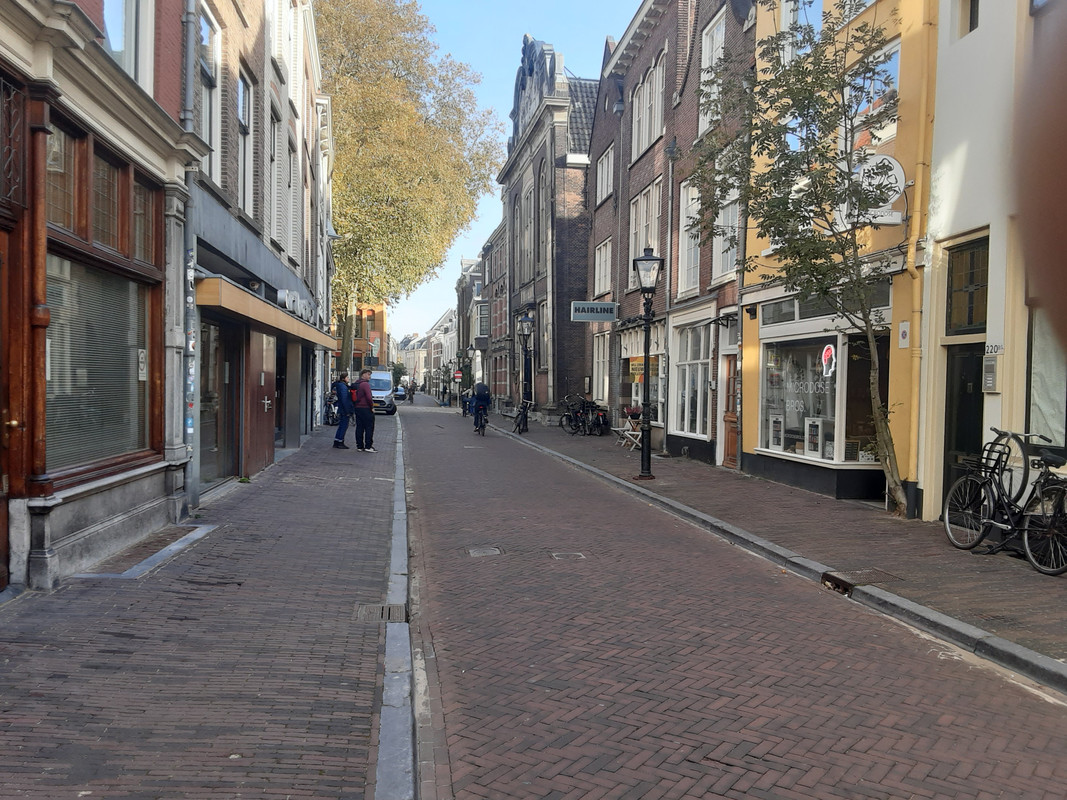
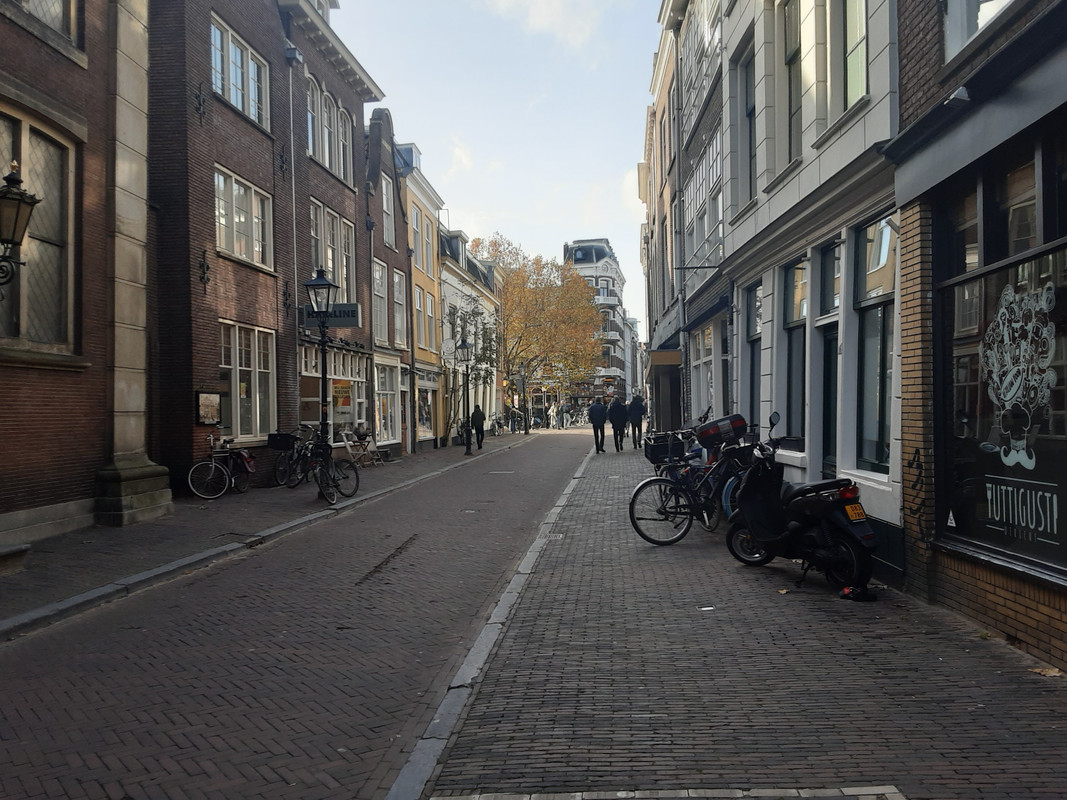
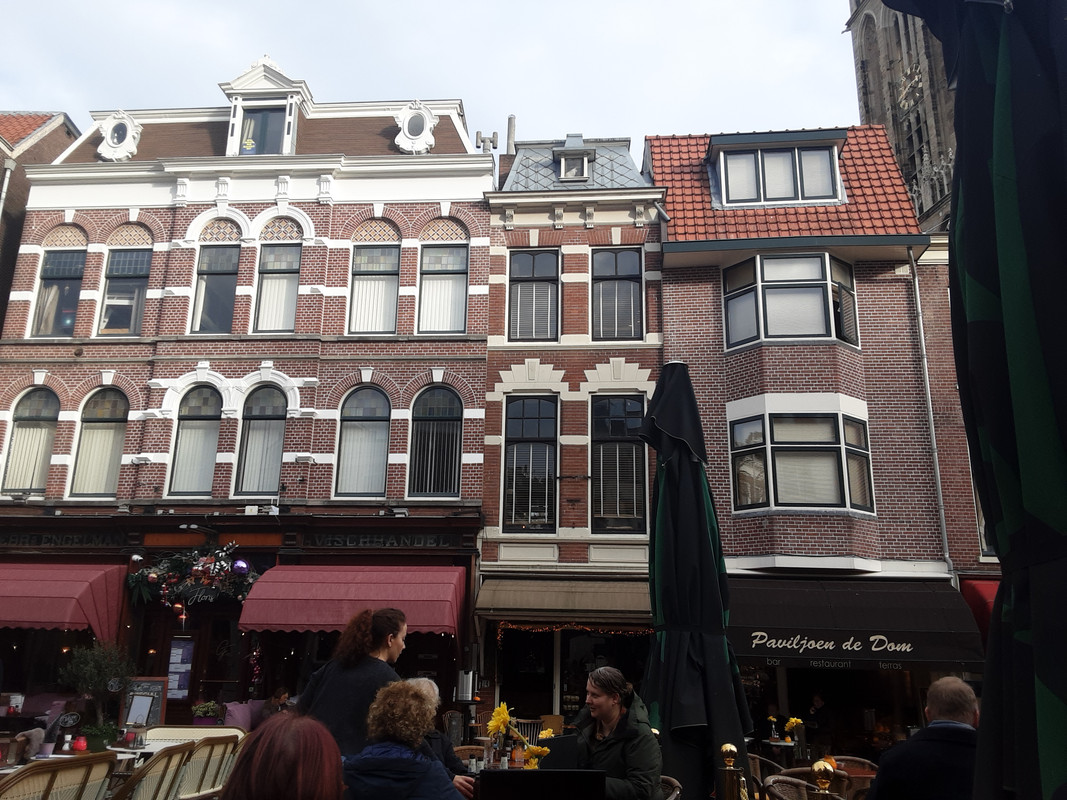
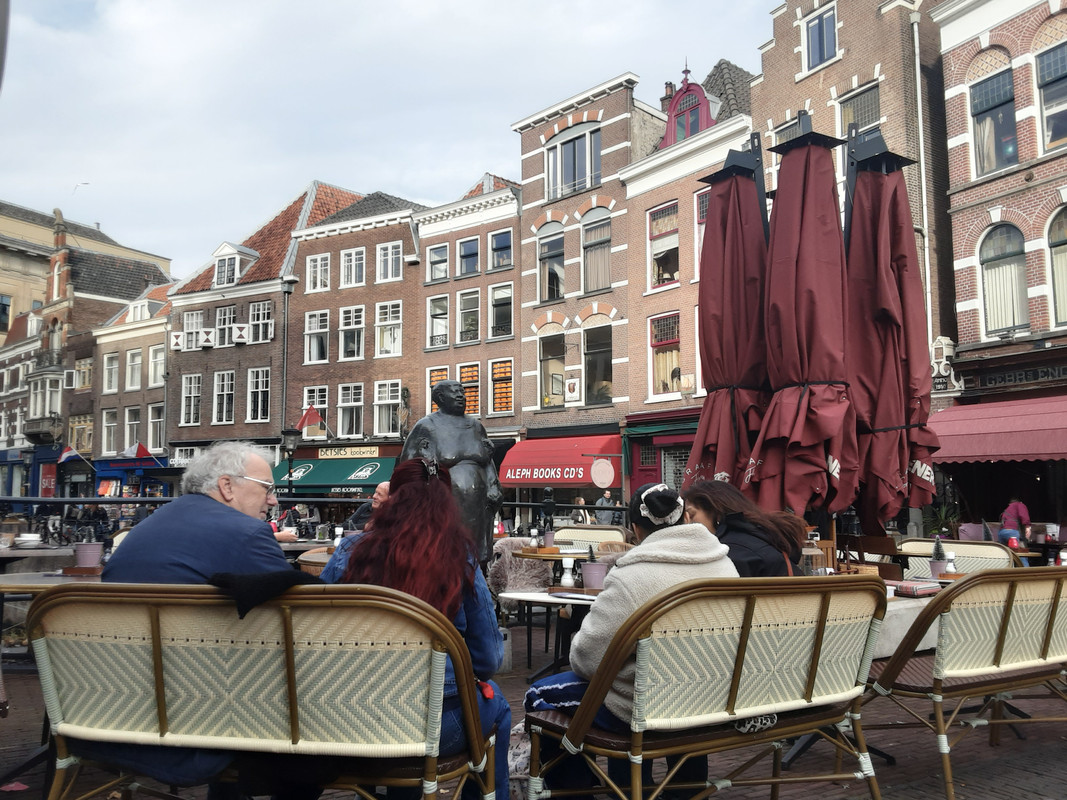
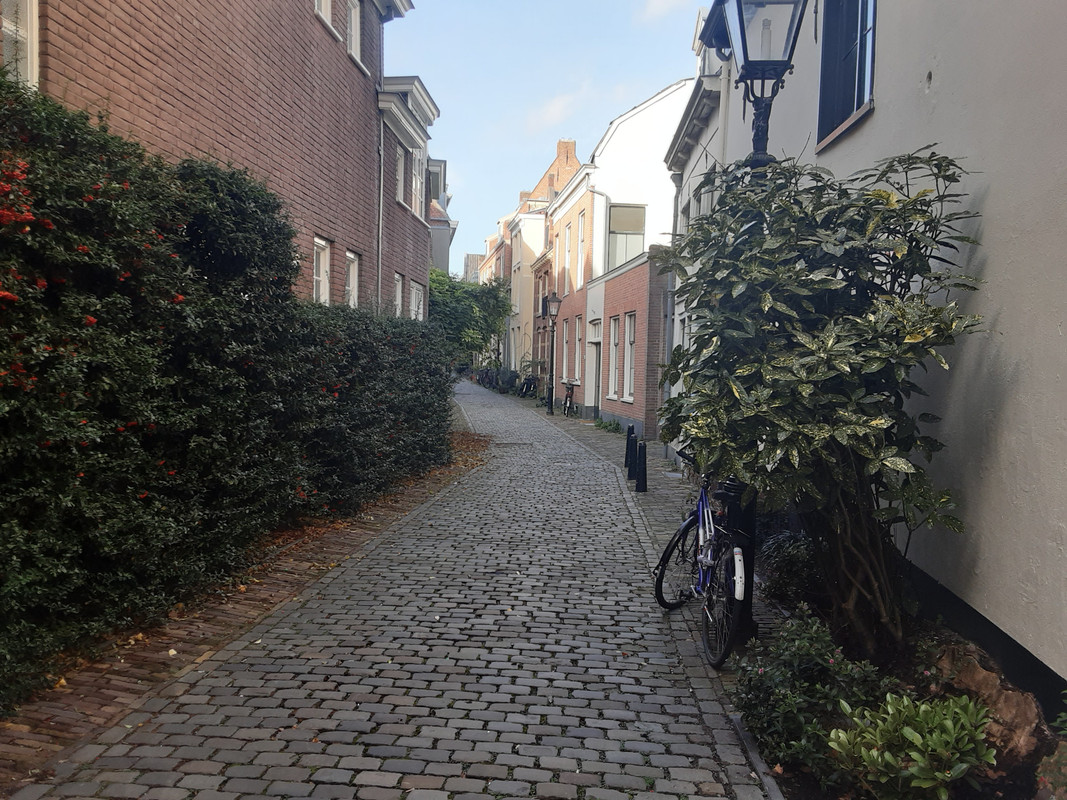
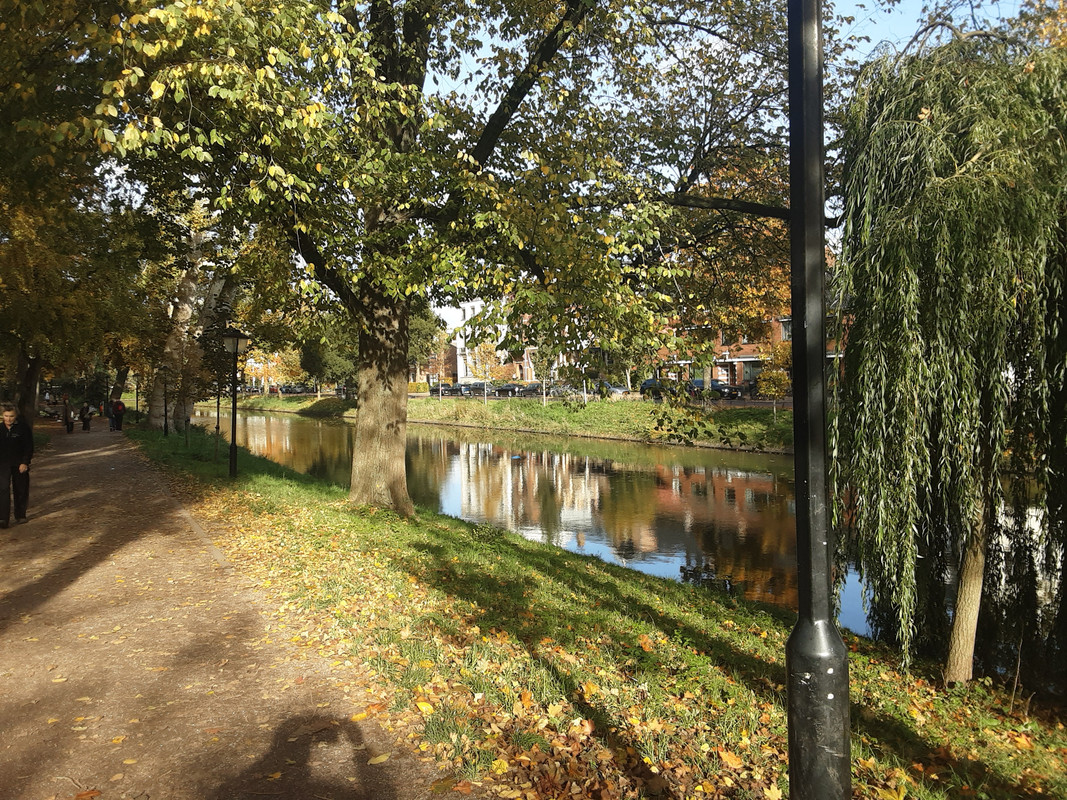
Utrecht (5)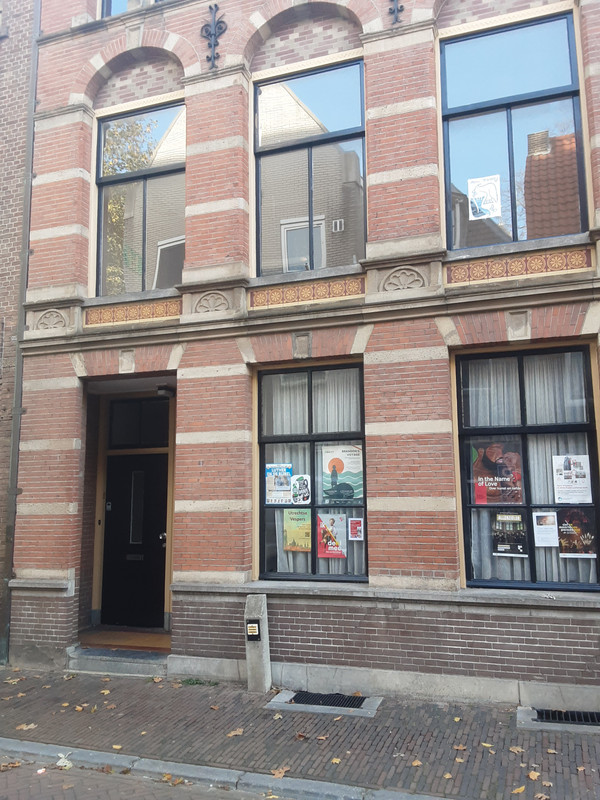
#88 Re: Not So Free Chat » Zaanse Schaanes Windmill Museum, Holland. » 2025-11-04 15:14:21
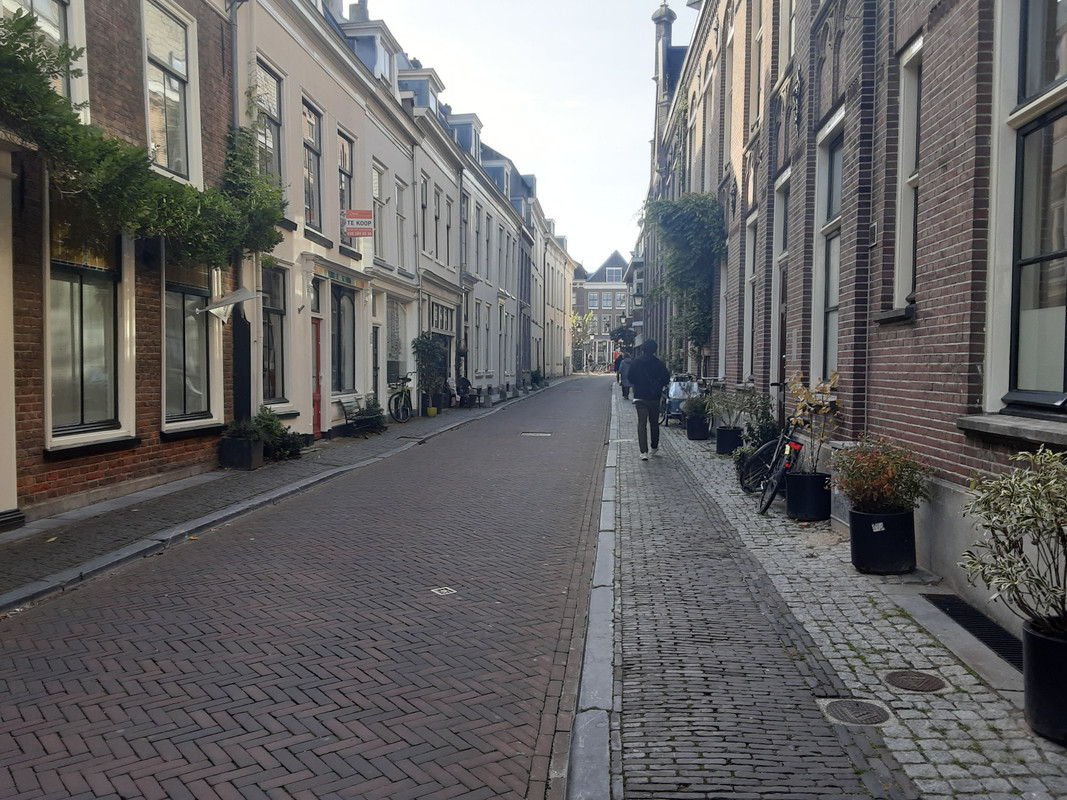
Utrecht (4)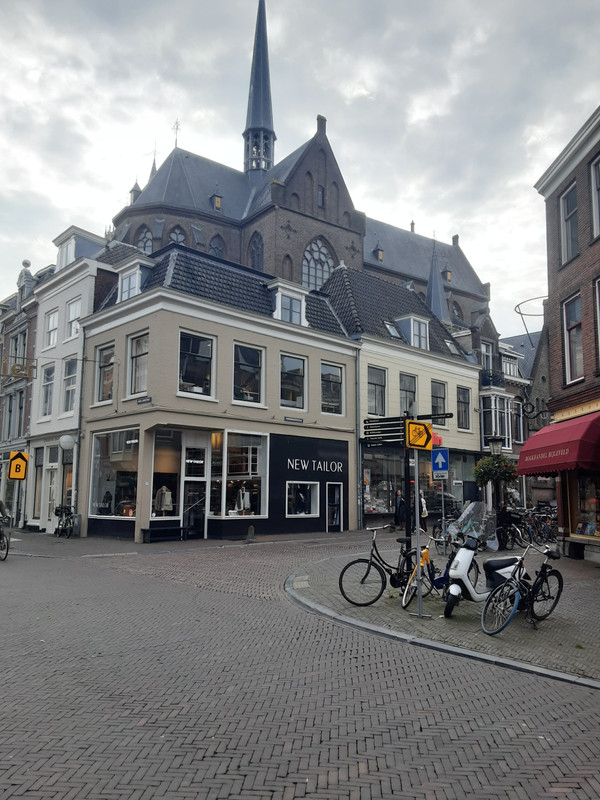
#89 Re: Not So Free Chat » Zaanse Schaanes Windmill Museum, Holland. » 2025-11-04 15:12:32
Utrecht (3)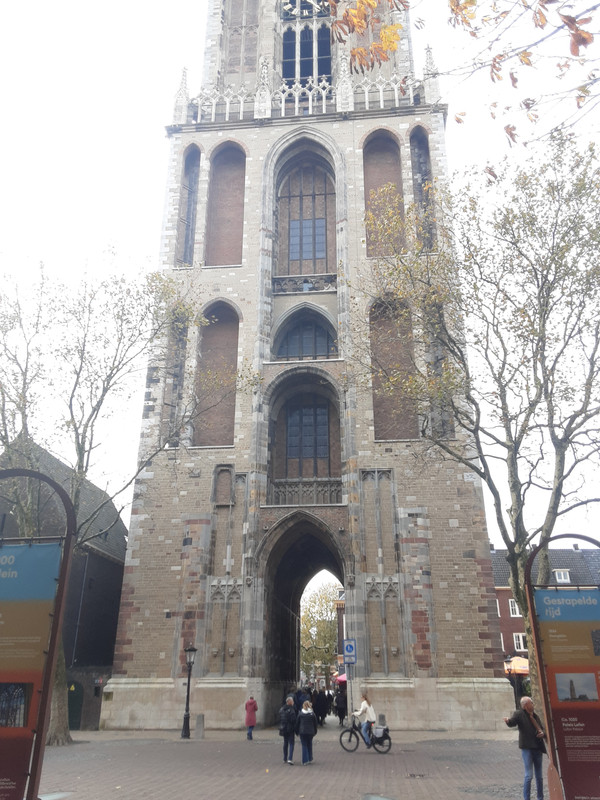
#90 Re: Not So Free Chat » Zaanse Schaanes Windmill Museum, Holland. » 2025-11-04 14:55:56
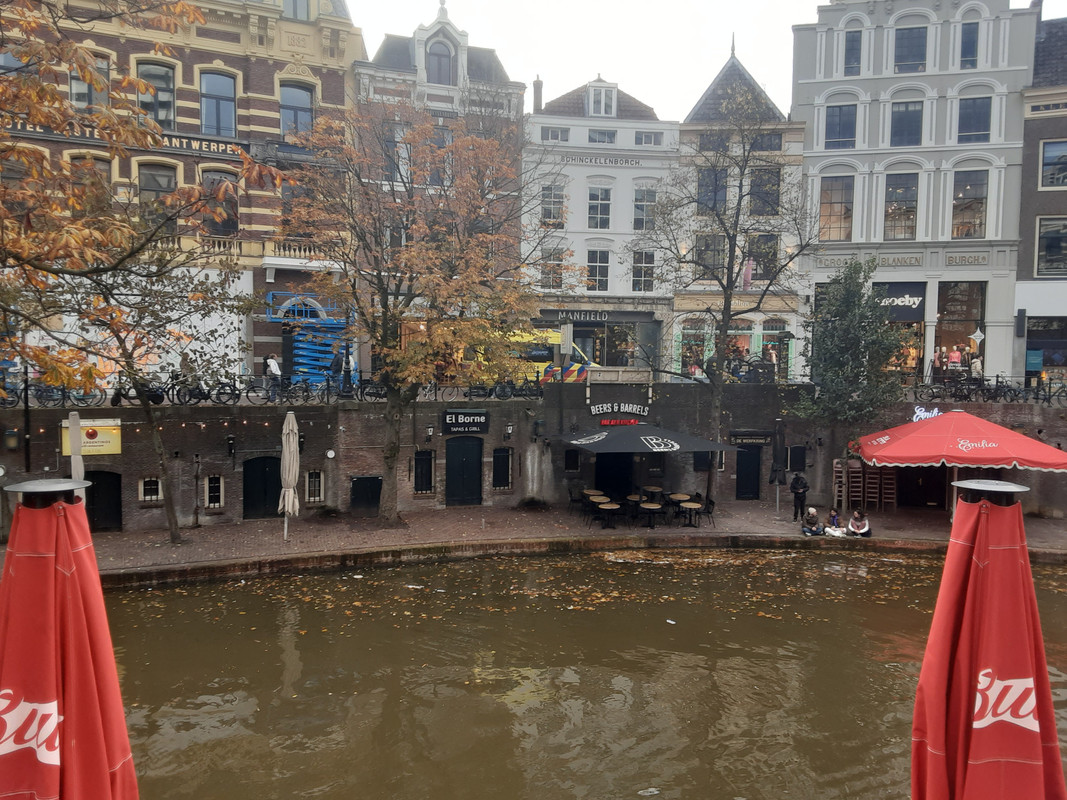
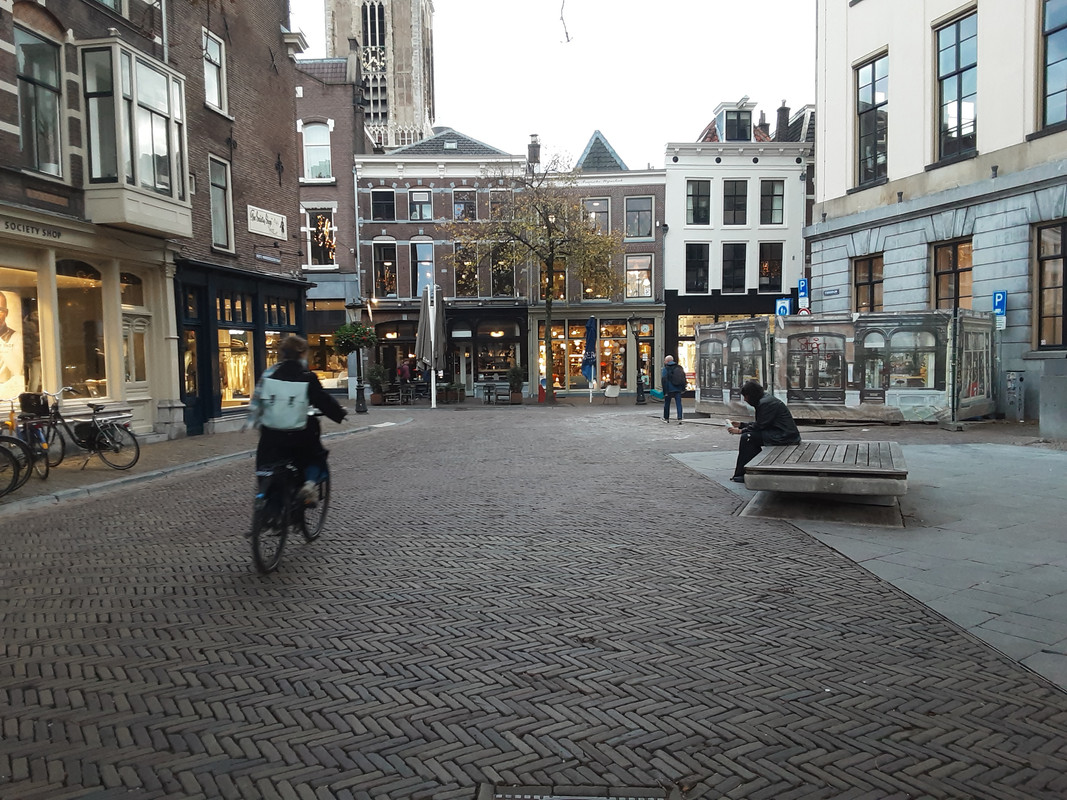
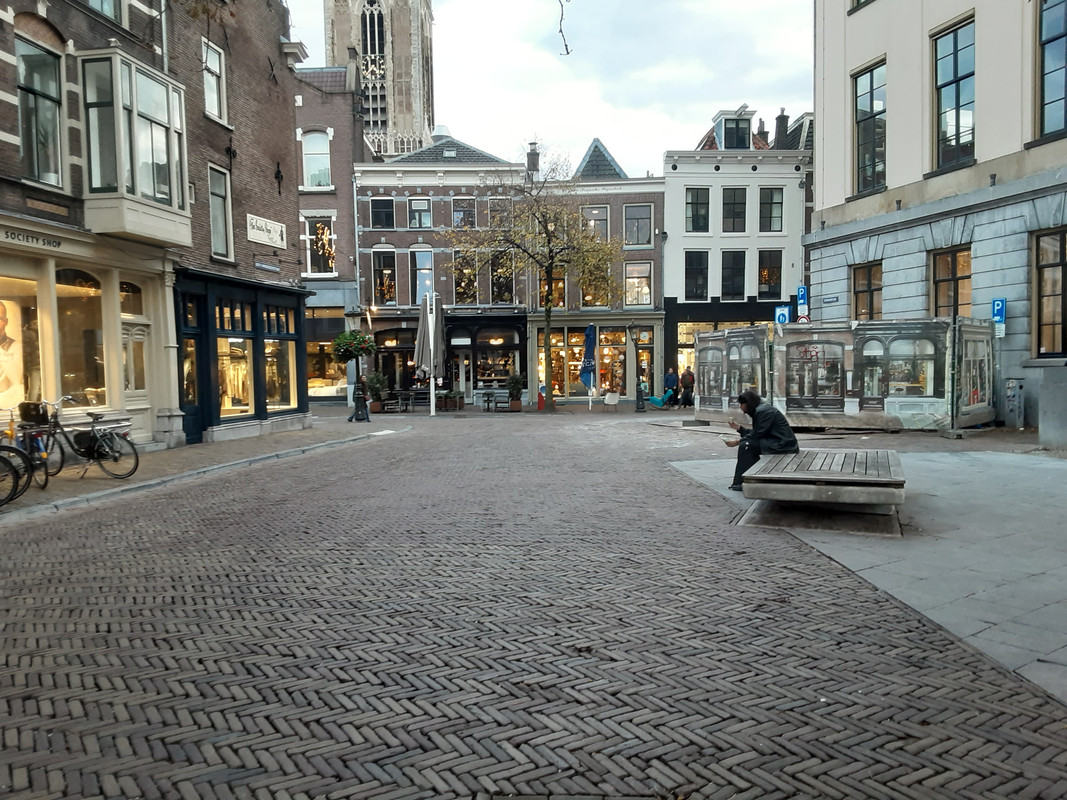
Utrecht (2)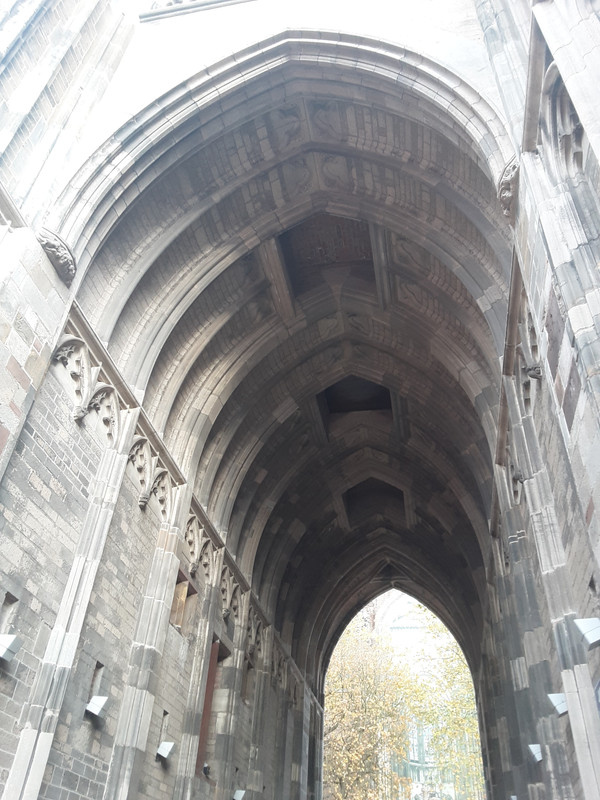
#91 Re: Not So Free Chat » Zaanse Schaanes Windmill Museum, Holland. » 2025-11-04 14:40:00
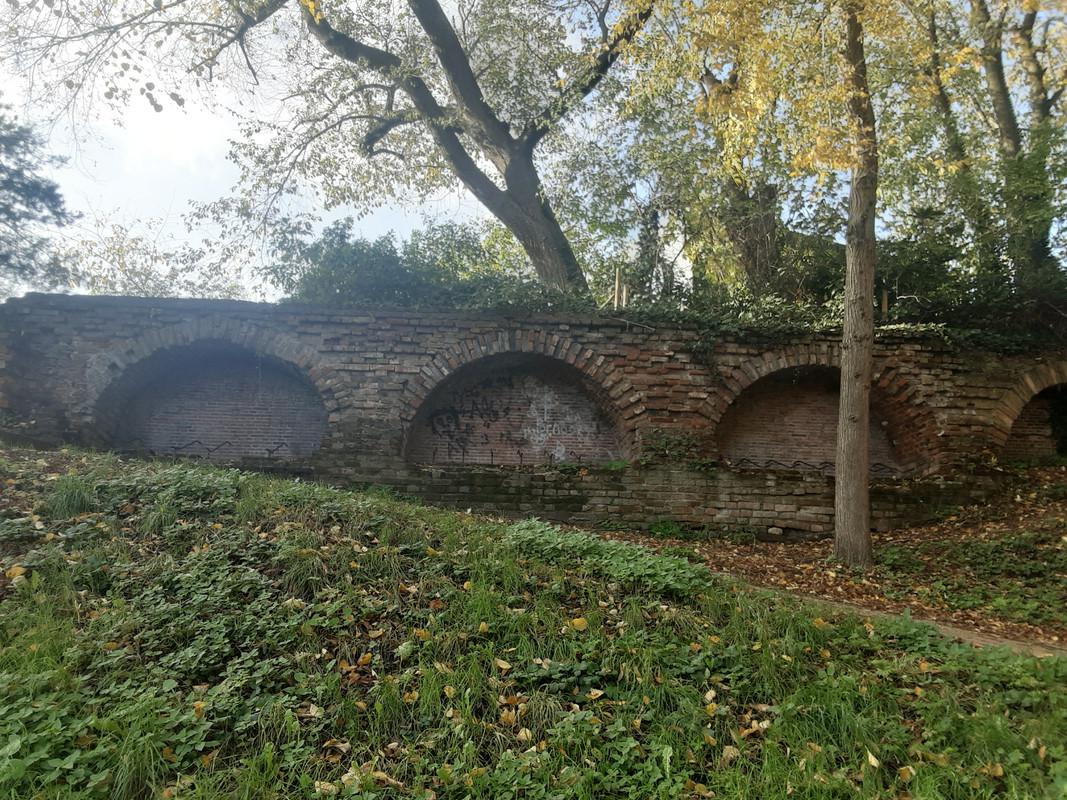
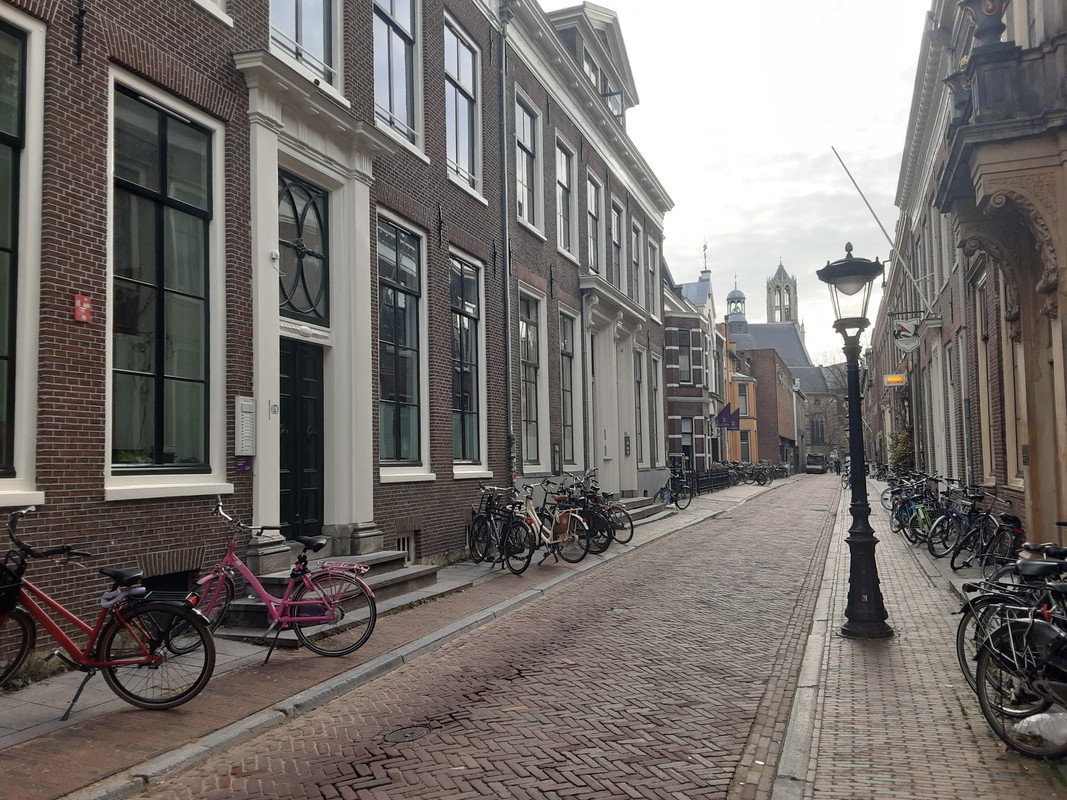
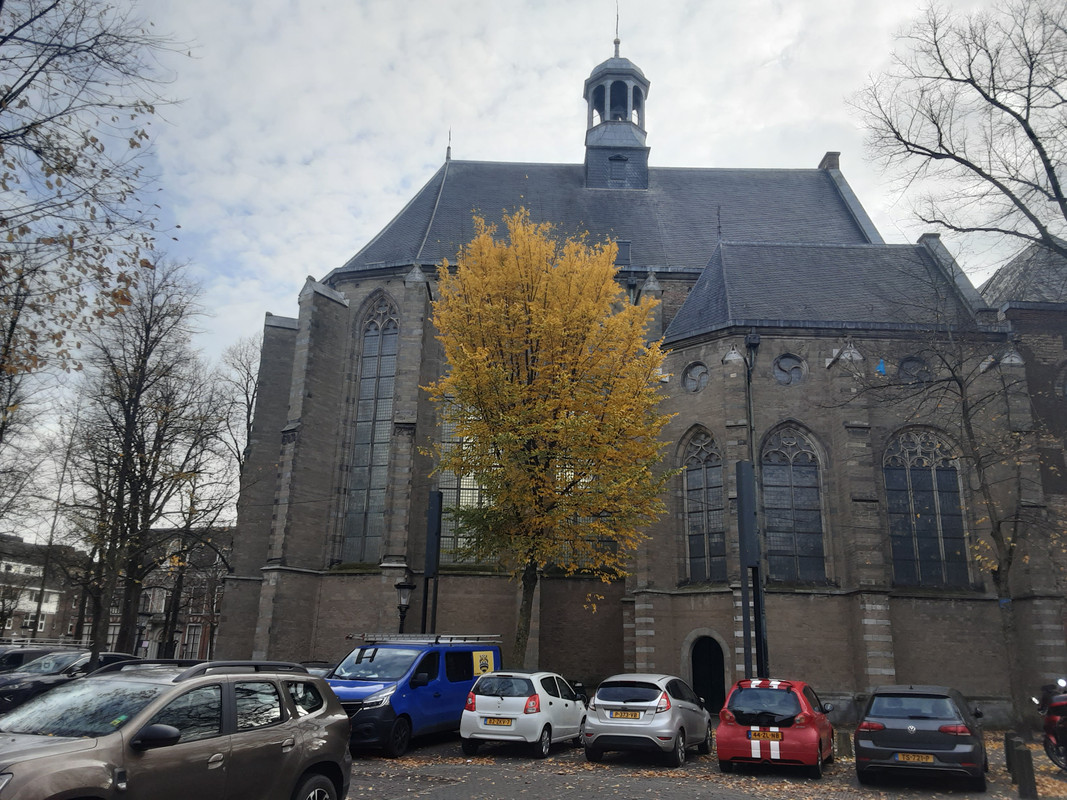
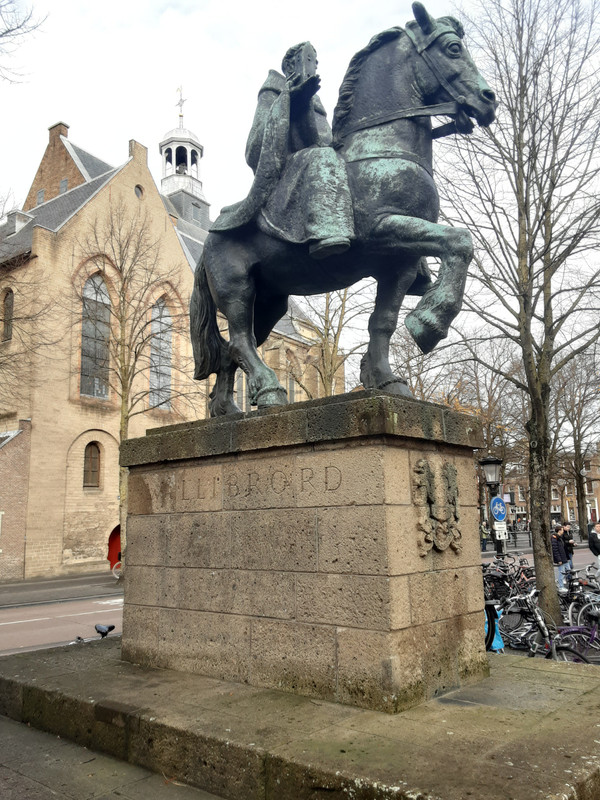
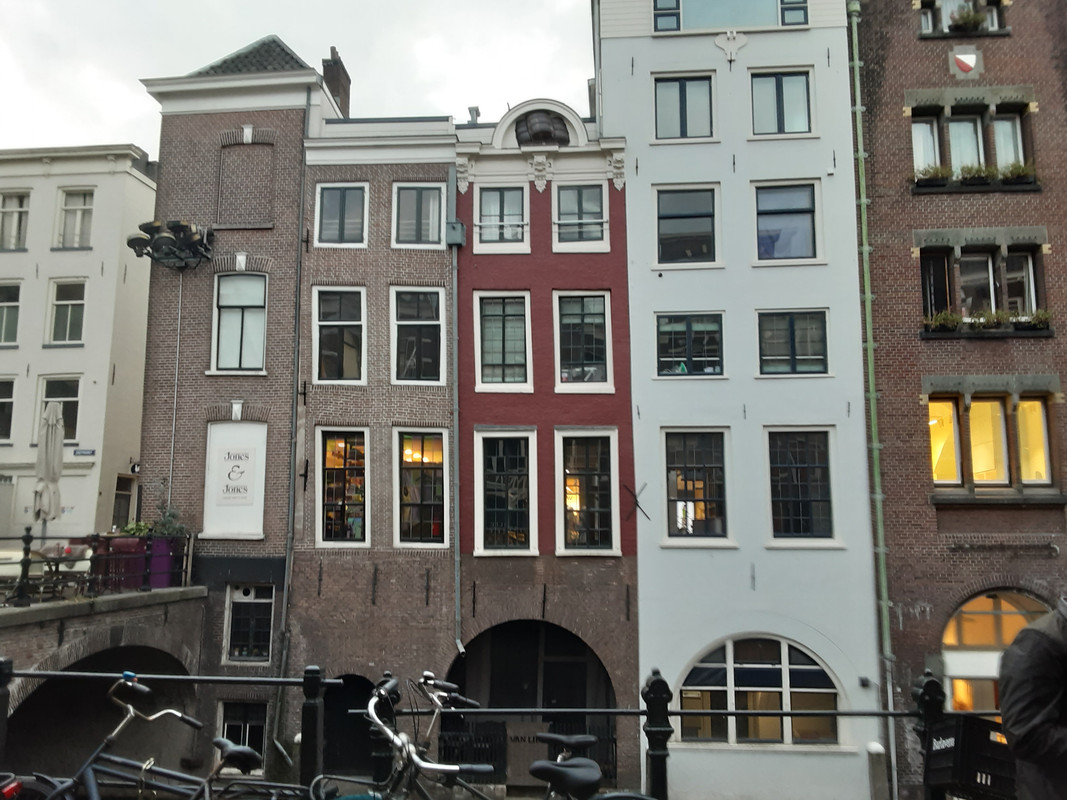
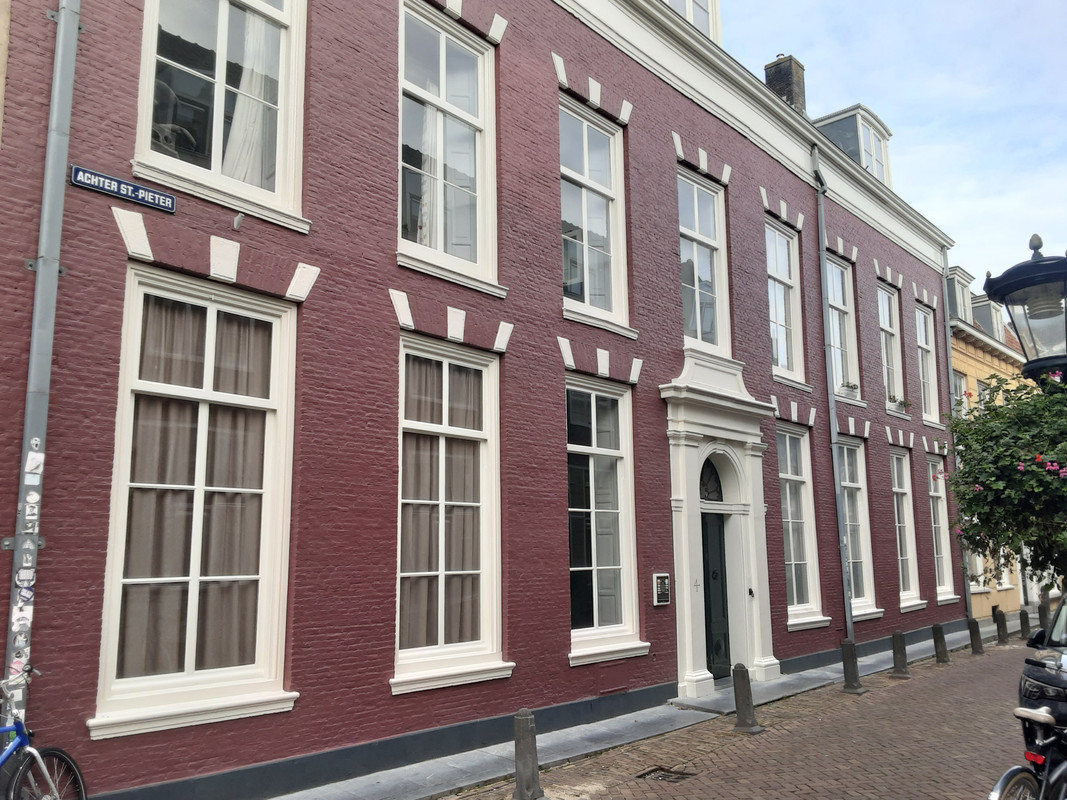
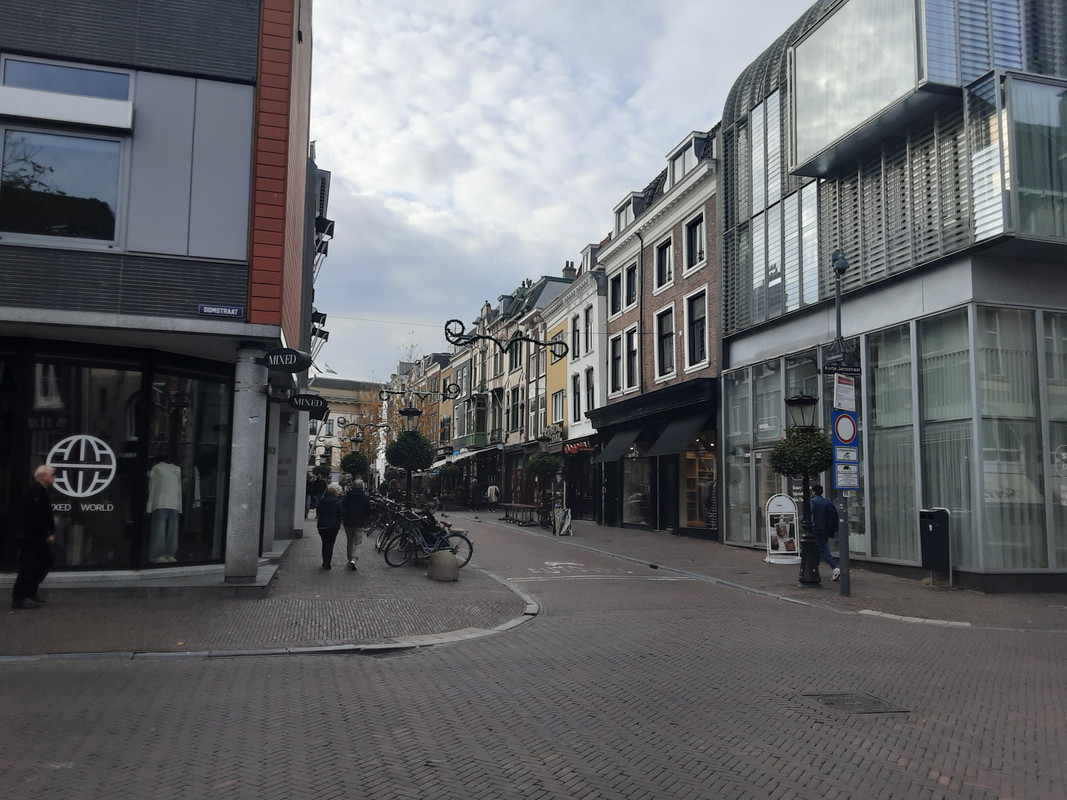
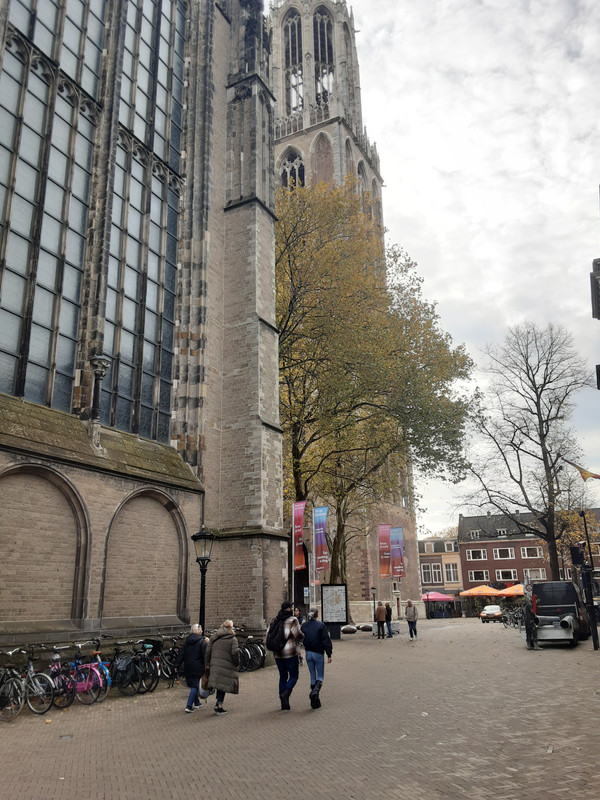
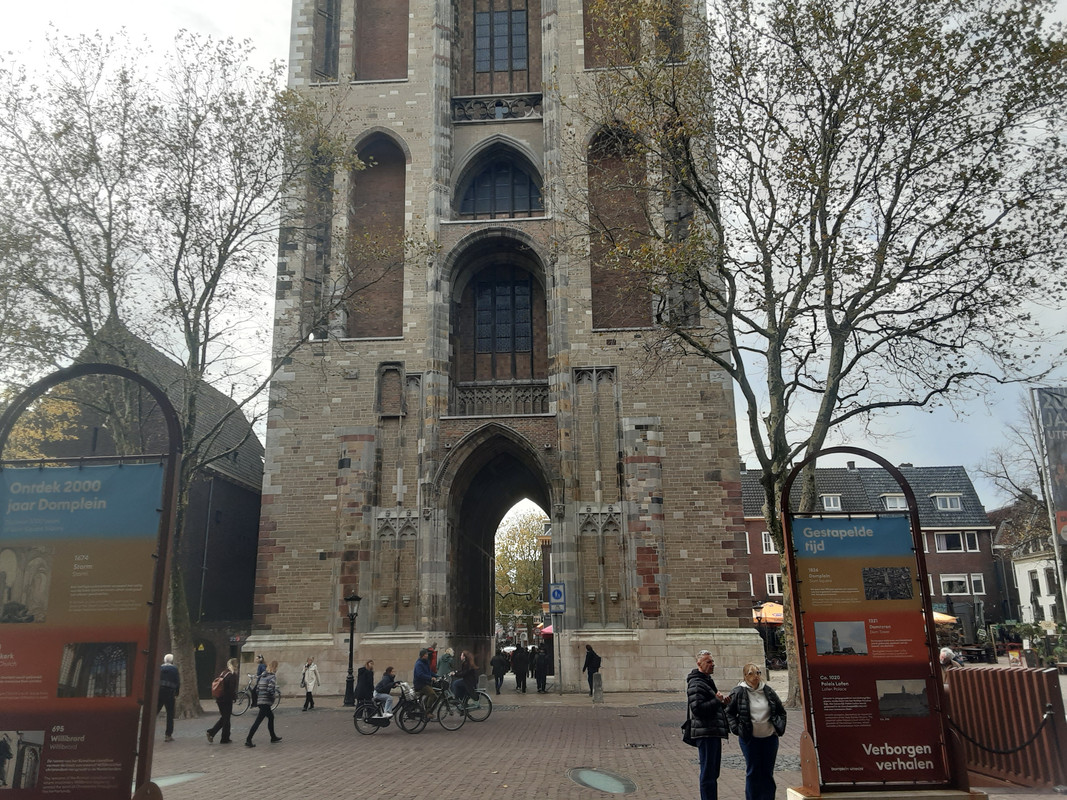
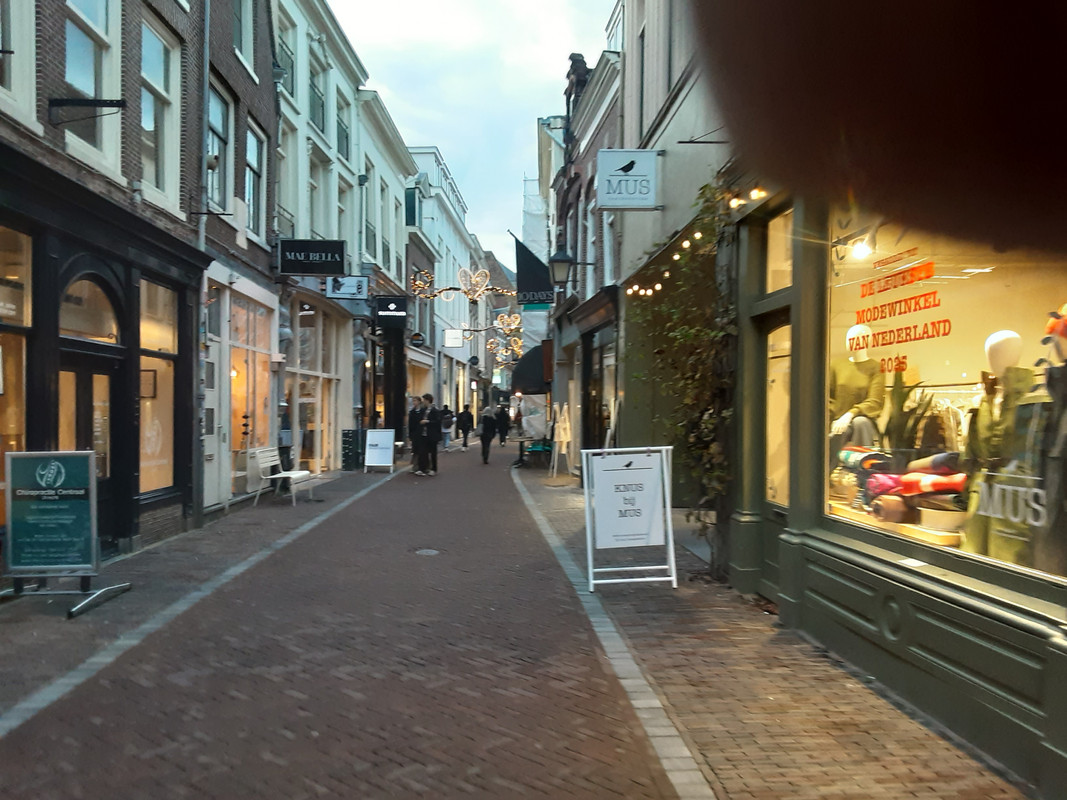
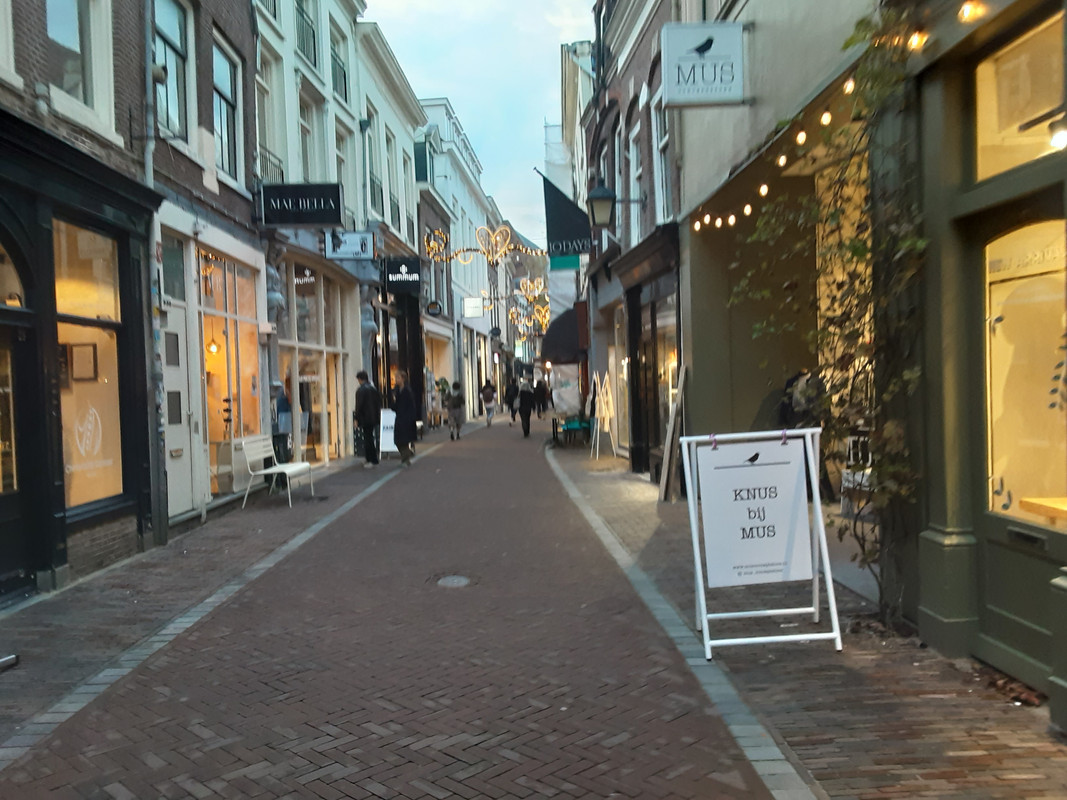
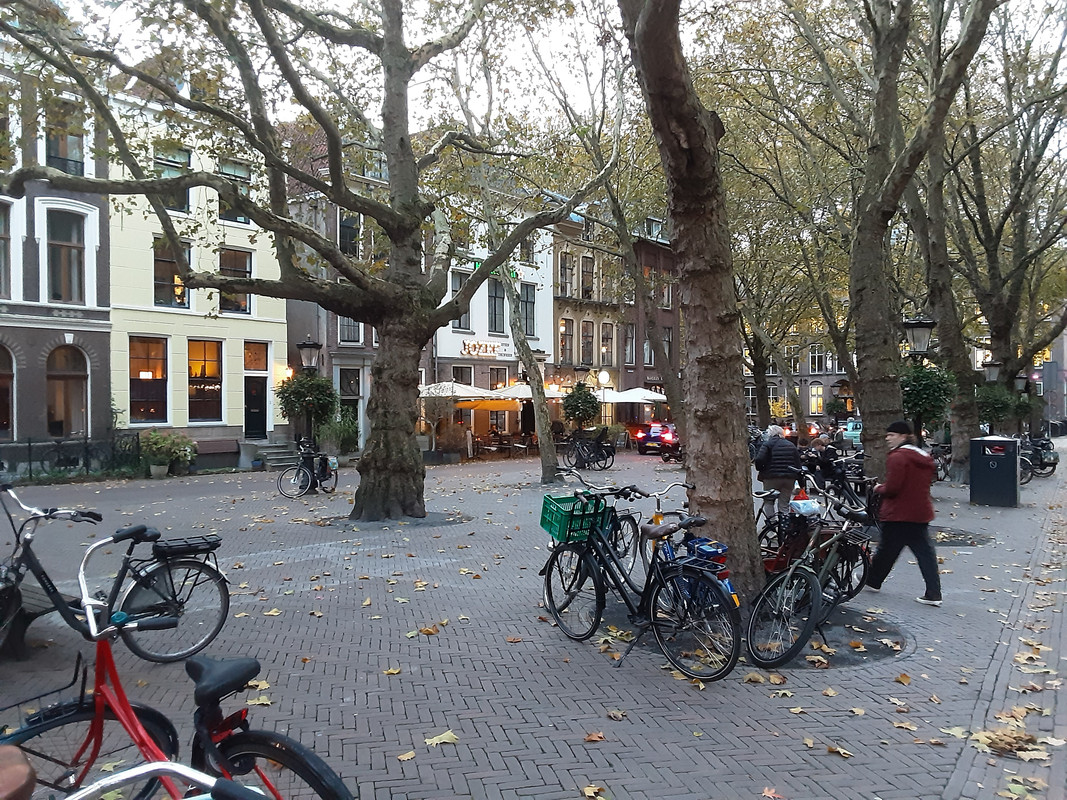
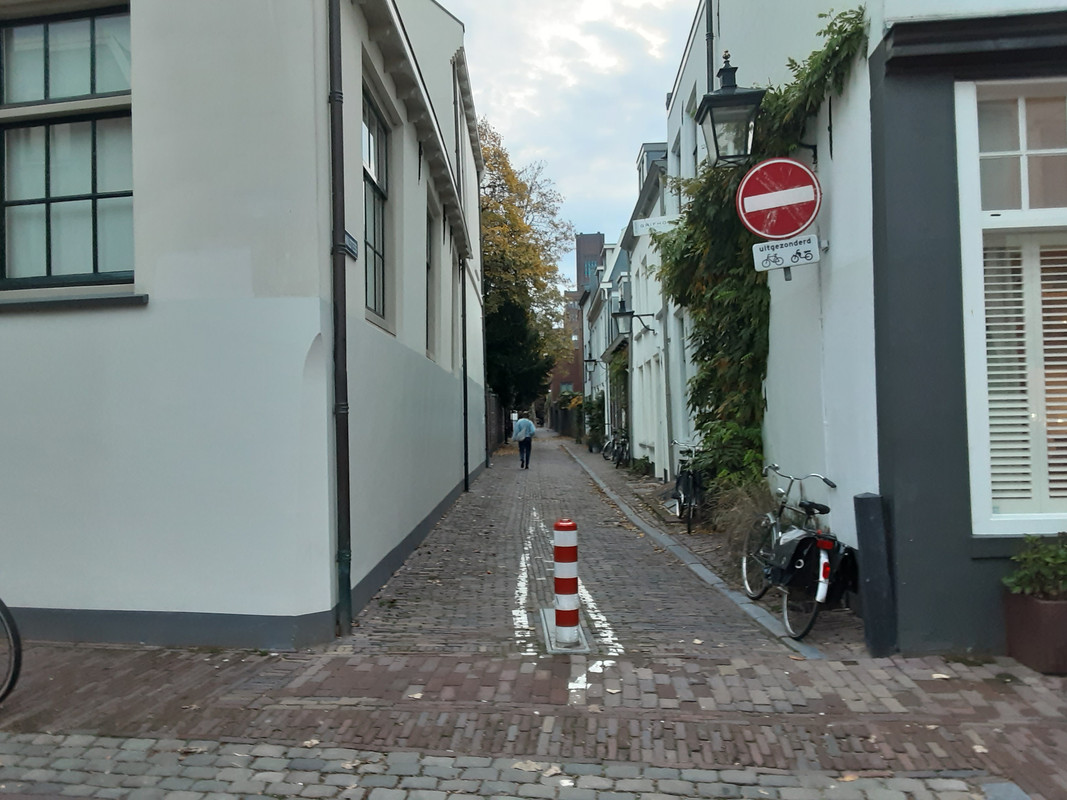
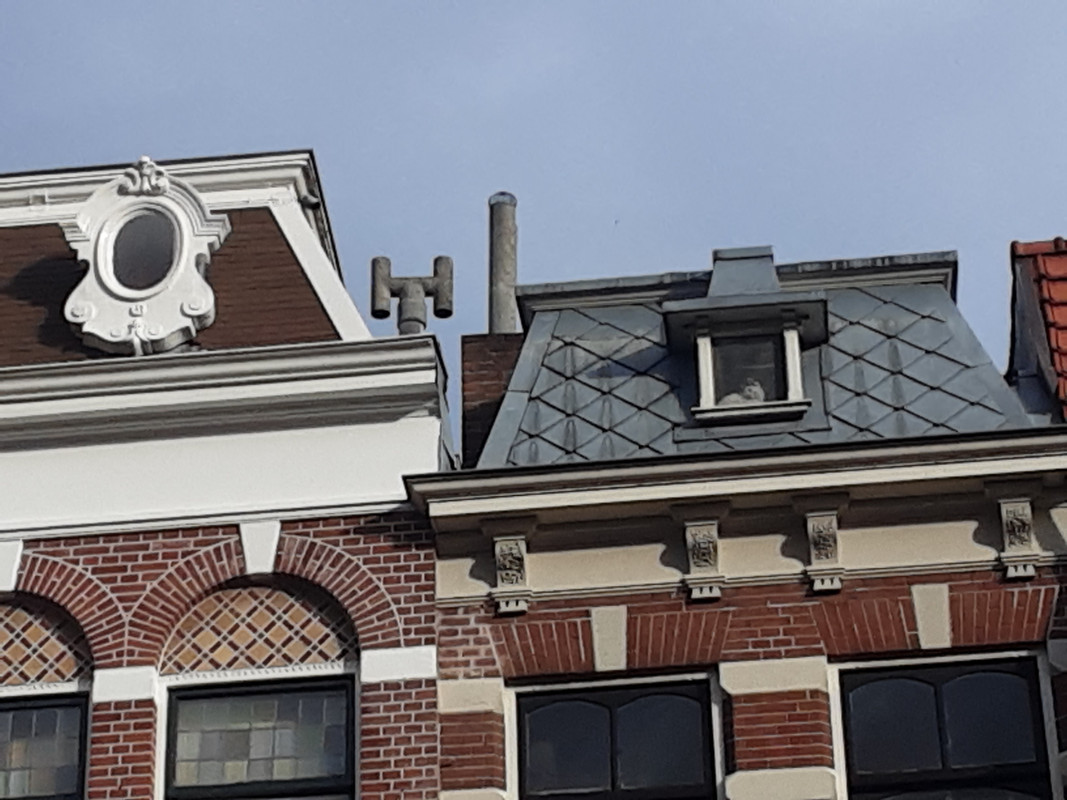
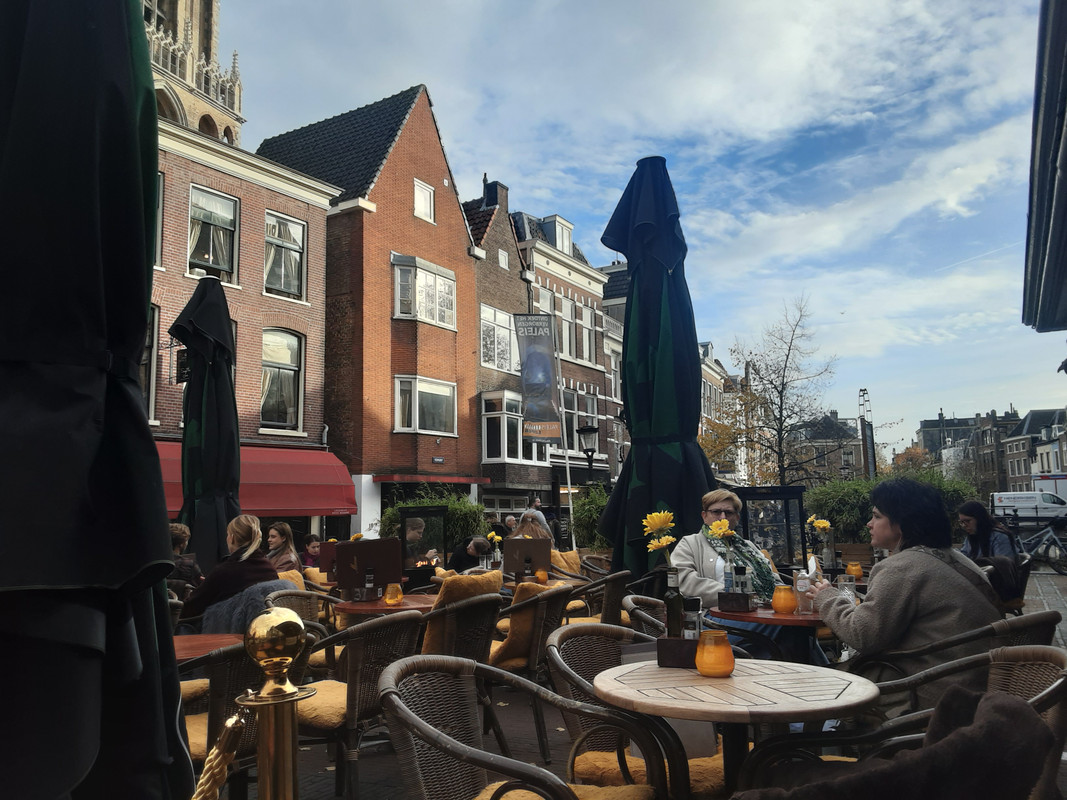
Some pictures from Utrecht.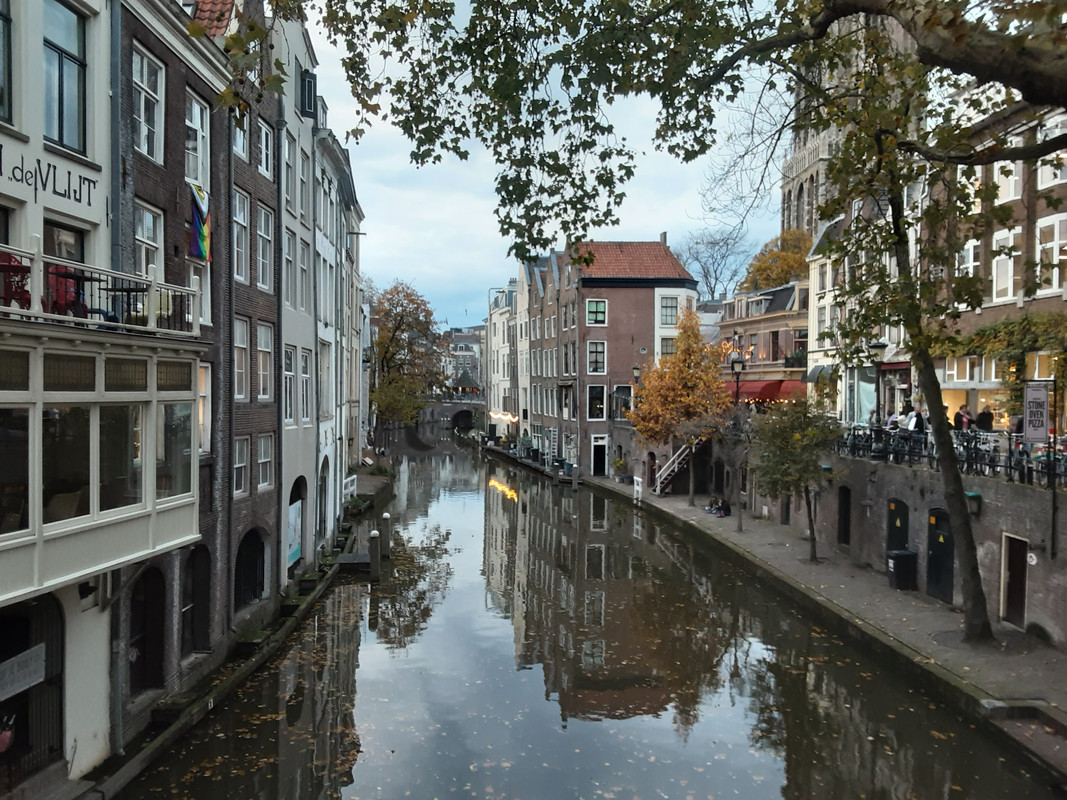
#92 Re: Meta New Mars » Calliban Postings including links to notable contributions » 2025-10-29 08:18:49
It may have been written in Dutch, I don't. Whilst the IR telescopes would be valuable for Earth defence, they are equally valuable for resource prospecting. IR emission spectra should also tell us a lot about the minerology of each asteroid. Starship has already reached a sufficient level of technological development to do this right now, if it were used in expendible mode. Reusability is proving to be difficult because of the sheer trauma of atmospheric entry on the ship. But in expendible mode, the ship would appear to be fully operational.
I like the idea of kinetic impactors. At a 30km/s relative velocity, an impactor will carry 500MJ/kg of specific energy. That is about 100x of the explosive energy density of TNT. It may be that we don't need nukes to deflect asteroids, just a lump of iron hitting them at high relative velocity. But provided there is sufficient time to impact, we could make the most dangerous asteroids our first priority for mining. By the time the impact date arrives, the asteroid would have been processed into solar power satellites, space stations and propellant.
#93 Science, Technology, and Astronomy » Burezestnik - Russia's nuclear powered cruise missile » 2025-10-29 07:55:58
- Calliban
- Replies: 4
This rumble video discusses Russia's new nuclear powered cruise missile.
https://rumble.com/v70xuv0-burevestnik- … ntage.html
Here is the wiki page:
https://en.wikipedia.org/wiki/9M730_Burevestnik
This has just completed a flight test of some 8700 miles. So it is clearly approaching operational readiness.
From what I can tell, it is powered by a small, high-temperature, open-cycle gas cooled reactor. The reactor is unshielded, so will leak considerable neutron and gamma radiation, irradiating everything it flies over. The missile is intended to carry a nuclear warhead.
This is a significant strategic threat to the west. Russia already has ICBM capabilities that can target cities. I think this weapon is intended as a battlefield weapon, capable of delivering tactical nuclear weapons in the low kilotonne range. It could be used, for example, to irradiate NATO troops with some sort of low yield high-neutron warhead ahead of a Russian attack. Or it could be deployed against carriers.
The US studies this idea under project Pluto in the 1950s. But the concept of a power dense, unshielded and open cycle air-cooled reactor, was deemed too dangerous to test. This thing would be very difficult to land safely after any extended period of operation. Decay heat would probably melt the fuel as soon as airflow through the engine diminishes. It would be an extreme hazard to ground crew even after shutdown, due to high gamma emissions. Apparently, the Russians are crazy or desperate enough to do what other countries just didn't want to for seemingly obvious reasons. We seem to be entering a scary new world.
#94 Re: Science, Technology, and Astronomy » Asteroid/off-Earth mining » 2025-10-28 05:48:23
Starship could be used to launch large infrared telescopes. These would have enough resolution to identify near Earth asteroids down to a few metres across.
https://www.nextbigfuture.com/2025/10/a … -2035.html
This is interesting because asteroids in the size range of a few to several tens of metres are the easiest to mine. We can enclose the entire asteroid in a bag and use grabber shovels to pull material off the surface. Useful metals can be seperated out and silicate wastes can be used as reaction mass to bring the useful materials back to high Earth orbit.
Some asteroids have orbits that require very little energy to reach beyond that needed for Earth escape. These are the ones we want to begin with. Large IR telescopes are a valuable tool for identifying these most promissing mining candidates.
#95 Re: Science, Technology, and Astronomy » Coal-fired Brayton Cycle Supercritical CO2 Boilers » 2025-10-26 18:40:02
Quite a lot to read through here, so I will comment again when I've had chance to read it all. Gas turbine blades have always been made from high temperature nickel alloys. Since the 90s, they have been grown as single crystals with mineral rods embedded to provide cooling channels by dissolving the rods in weak acid after casting. So I'm not sure why the reference suggests that using nickel alloys is impractical or expensive. It is standard aerospace practice. Take any COTS GT and you find nickel alloy components. For non-moving parts, steels can still be used at 700°C. Strength will be reduced substantially and corrosion in hot CO2 will be more of a problem. But is can be done. There are specialist oxide dispersion strengthened mechanical alloys that were specifically developed for operation in this temperature range.
#96 Re: Not So Free Chat » Politics » 2025-10-26 18:03:09
Trump is trying to rebuild the US domestic manufacturing base, as it existed in the 1970s. The problem is that we live in a very different world today to the one he would have known as a young man. The demographics of the workforce are different. The workforce has gotten older throughout the world, but especially in Western countries. Energy is more expensive.
To a great extent, globalisation was an attempt at keeping production costs down by relocating manufacturing to places where energy was cheaper, the workforce was younger and environmental regulations were weak or absent. But there is more to globalisation than just that. Many products cross national borders multiple times before they are finished. Different parts of the manufacturing process require labour at different price points and skill levels. It isn't as simple as saying that a car is made in Mexico or Japan. In the modern manufacturing system individual components may cross national borders multiple times for specific manufacturing processes that just happen to be most efficient in a particular place.
Tariffs risk disrupting trade arrangements that took many years and a lot of dollars to set up. They also ignore the reality of how products are produced in the modern world. Tariffs are a tax on consumers not producers. The additional revenue that the US government is receiving is coming directly from the US consumer, who is now paying higher prices. This is a direct source of inflation that erodes consumer purchasing power. This is on top of the post-COVID inflation that had already eaten into wages. So consumer spending is going to be squeezed on both sides.
#97 Re: Not So Free Chat » Zaanse Schaanes Windmill Museum, Holland. » 2025-10-23 04:39:49
I will be back in Holland week after next. Not somewhere I thought I would be going back to so soon, but it is where my son wants to go for holiday. We are planning on visiting different places this time. We are staying in Haarlem and will be getting the train to Utrecht, Delft and Den Hague. I will take pictures as last time and post them here.
I have always found the Holland to be quite inspiring. It is a place where about half of the land is reclaimed from the sea and much of the remainder was boggy marshland before humans terraformed it. The sea is held back by a system of soil dikes. Behind the dikes, water drains into ditches, and is pumped to sea level by pumps, originally wind driven. This seems quite analogous to what we plan to do on Mars. In that case, land will be recovered from vacuum by constructing a roof structure and covering with soil to counterbalance internal pressure. The resulting habitable land will be relatively expensive. Under the roof, the challenge will be to develop towns that are comfortable to live in despite high population density. The urban architecture of pre-industrial Europe gives us solid examples of how to do that.
#98 Re: Not So Free Chat » Politics » 2025-10-19 18:29:56
Lest we forget No More Kings...
Agreed. The present king (Charles) is an utterly pointless person. He really does nothing for the planet except consume oxygen. So long as some are more equal than others, it is difficult to build a proper democracy.
That said, the North American rebellion was more a proxy war by the French against Britain. It had nothing to do with American freedom, though that did come later.
#99 Re: Life support systems » Spacesuit materials » 2025-10-19 18:18:36
Much depends I think on how we construct space suits. If we go with an MCP design, then you have an elastomer fabric covering skin. Other, tougher garments can be worn over this. As Robert noted, Mars dust grains are more rounded than lunar equivelent. So I don't see that we need anything special compared to Earth based clothing. On the moon, the situation is quite different. That dust will destroy most fabrics quickly. CNT or BNNT would appear to be necessary there. Sharper dust will also be more toxic to the lungs if tracked back into the hab.
I have a GoreTex coat that is about 10 years old now and has seen heavy use. It is still in good condition and is still reasonably waterproof. That is a necessity in the northern parts of Britain. The surface is easy to wipe down as it is relatively impermeable. So it shoukdn't be difficult to keep clean on Mars. The moon is a different case entirely. It was noted that the original Apollo space suits were destroyed by a few days expusure to lunar dust. I hate to think what it is going to do to astronaut lungs long term. Will it be as bad as asbestos?
#100 Re: Life support systems » Power Distribution by pipelines on Mars. » 2025-10-19 17:41:30
This topic has sat idle for a while. It covers both power distribution and transportation through pipelines, though the initial intent was power distribution.
TH raised a good idea in the use of ice in pipes as a low friction medium that vehicles can slide along. A smooth surface could support high speeds. It can be renewed by melting the top inch of ice periodically and allowing it to refreeze. Microwaves would do that very effectively. Or maybe some kind of radiant heater. Propulsion could be provided by driving wheels pushing against the sides of the pipe.
Steel has a 0.04 static friction coefficient and a 0.01 dynamic friction coefficient against ice.
https://www.engineersedge.com/coeffient … iction.htm
This means that every tonne of mass transported would require some 37N of driving force. Given that Q = F × D, that amounts to 37KJ/tonne-km. The sled and drive car will have mass as well. As an initial rough estimate, lets say 50KJ/tonne-km. That is about the same energy cost as rail (on Mars) but without the cost of the rails. We would only need about one inch of ice. The tunnels would need to be sealed and covered with regolith to prevent sublimation. But provided the atmosphere within is maintained at high humidity, they would not need to be pressurised.