New Mars Forums
You are not logged in.
- Topics: Active | Unanswered
Announcement
#726 Re: Exploration to Settlement Creation » Re-purposing Moxie for Co + O2 Fuel » 2025-12-22 16:06:28
If the question are put into the topics then one can make better sense of what is required.
Astronauts can approach an operating Radioisotope Thermoelectric Generator (RTG) very closely, even working in its immediate proximity, but the exact safe distance is determined by mission design, the specific RTG's shielding, and the total duration of exposure, as part of strict radiation safety protocols.
Safety limits are based on the principle of keeping exposure As Low As Reasonably Achievable (ALARA) and not exceeding established dose limits.
Key Safety Principles
Distance is a Primary Shield: Radiation exposure decreases significantly with distance. Doubling the distance from a source can reduce the exposure rate by a factor of four (inverse square law).
Mission-Specific Limits: NASA sets specific limits for radiation exposure from nuclear technologies, which are typically capped at an effective dose of 20 millisieverts (mSv) per mission year (prorated for mission duration). This limit is designed not to add more than 10% to the unavoidable background space radiation dose of a mission.
Shielding: RTGs used in space missions are designed with shielding to minimize external radiation. For planetary surface operations (like on Mars or the Moon), the mission plan factors in habitat shielding, terrain as a potential shield, the distance from the source, and the duration of extravehicular activities (EVAs).
Time: The duration of exposure is strictly managed to stay within short-term and career dose limits.
Practical Application
In practice, astronauts on Apollo missions worked near the deployed RTGs of the Apollo Lunar Surface Experiments Package (ALSEP). They would align the ALSEP so that the RTG's cable exit pointed toward the central station, and while they avoided unnecessary proximity, no specific maximum distance constraint was imposed in the same way as avoiding a rocket launch, due to the contained nature and shielding of the RTG's radioactive material.
For future missions, safety zones and operational procedures are established through rigorous analysis to ensure that cumulative and acute radiation doses remain within safe, regulated limits for all crew members
Mars has quite a bit of radiation already for a crew to deal with so additional shielding would be needed.
The other is mass shipped to mars is not sustainable.
#727 Re: Exploration to Settlement Creation » Re-purposing Moxie for Co + O2 Fuel » 2025-12-22 16:02:31
For SpaceNut re new posts in MOXIE topic ...
Thanks for the new posts you added, with what sure looks like ** very ** encouraging news of larger scale operations on Earth.
My point was (and remains) that the original small MOXIE unit could be replicated in large numbers and deployed to Mars with an RTG able to provide the 300 watts it needs. It does NOT need to be mounted in a rover. That was convenient for the research mission.
Your posts show that researchers/engineers are working on larger scale versions.
That is all good, but the fact remains, the ONLY such system tested on Mars is the 300 watt version.
So we should be able to figure out how many 300 watt units are needed to supply oxygen for humans or fuel and oxidizer for machinery.
***
In one of your posts you seemed (as I read it) to think that carbon monoxide had never been tested on Earth for internal combustion engines. I am 95% confident that kbd512 researched that long ago and found that such engines had most definitely been tested on Earth.An internal combustion engine that runs on CO and O2 will produce less power than would an engine that has hydrogen in the fuel, but I question why that makes a difference. To make hydrocarbon fuels will consume energy that you might be able to get back if you have an engine designed for it, but why bother? CO and O2 make a perfectly acceptable energy storage system and the whole process is so much simpler, I just don't see why anyone would go to all the trouble of fooling around with hydrogen.
(th)
#728 Re: Exploration to Settlement Creation » Re-purposing Moxie for Co + O2 Fuel » 2025-12-22 15:29:49
The largest solid oxide electrolyzer (SOE) developed for Mars is the mission-scale SOXE stack by OxEon Energy, a 33x scaled-up version of the toaster-sized MOXIE device on NASA's Perseverance rover, designed to produce propellant for human return missions, though the MOXIE unit itself was the first SOE to operate on Mars, generating oxygen from CO2. On Earth, Bloom Energy's 4 MW Bloom Electrolyzer is the world's largest SOE system, stemming from that original NASA Mars technology.
For Mars Missions (Technology for Future Human Exploration):
MOXIE (Mars Oxygen ISRU Experiment): This small, toaster-sized SOE device on the Perseverance rover successfully demonstrated solid oxide electrolysis on Mars, producing oxygen from the thin CO2 atmosphere.
OxEon Mission-Scale SOXE: OxEon scaled up its MOXIE technology significantly (33x) for potential Mars crewed missions, aiming to produce large quantities of oxygen for propellant (Mars Ascent Vehicle) and life support, according to this TTU DSpace Repository document and OxEon Energy's website.
For Earth (Current Largest SOE):
4 MW Bloom Electrolyzer: Bloom Energy built the world's largest solid oxide system, operating at NASA's Ames Research Center, with roots in the original Mars technology to produce clean hydrogen for terrestrial decarbonization.
In summary, MOXIE was the first SOE on Mars, OxEon scaled it up for future large-scale Mars needs, and Bloom Energy created the largest SOE on Earth based on that heritage
The cell can also be used to make power from the input at about 60% efficiency.
#729 Re: Exploration to Settlement Creation » Re-purposing Moxie for Co + O2 Fuel » 2025-12-22 15:23:42
I think that I miss read you post as it appears that the life support for humans is not what you are asking about.
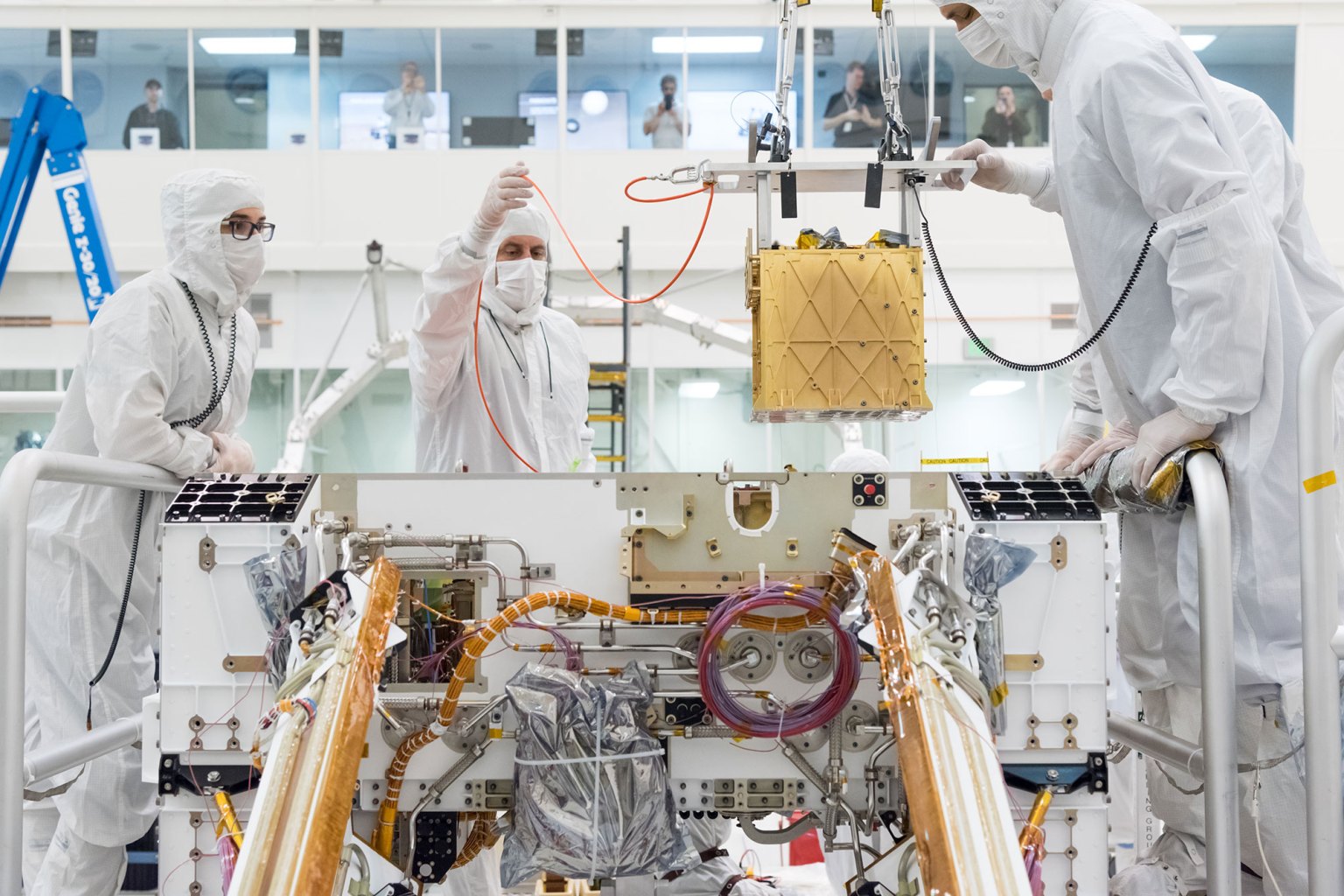
Gold box being positioned over the rover.
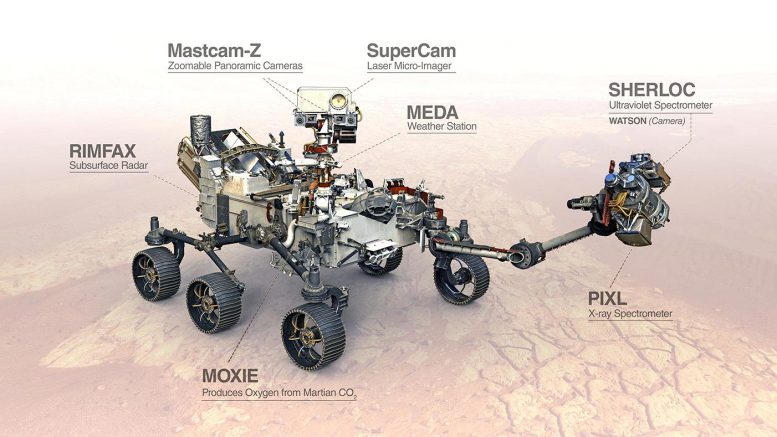
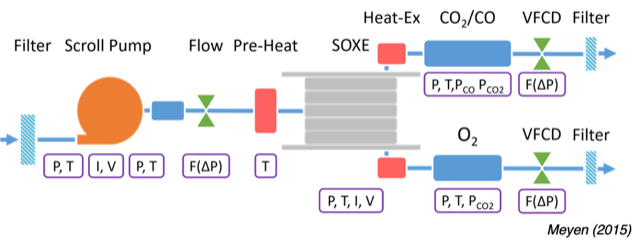
The unit rides currently on Perseverance which supplies power from its RTG as electrical for the unit to work at 300 watts. As the unit does not have its own power system or supply.
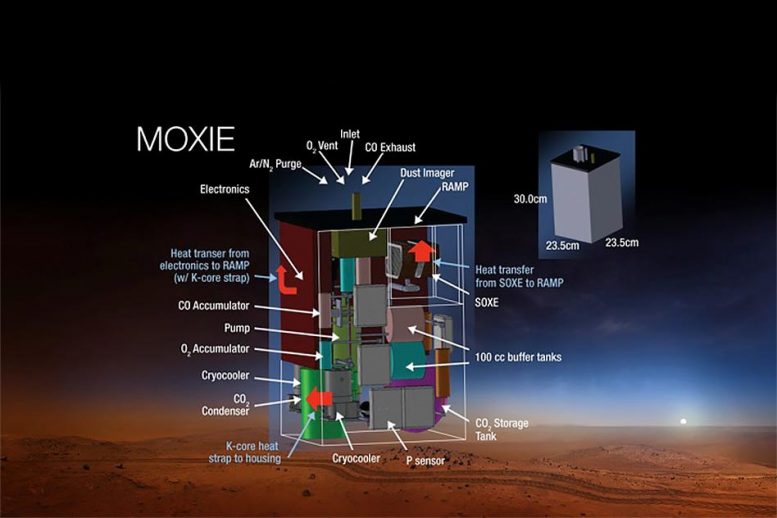
The main parts are a compressor to draw pair in, the co2 electrolysis unit ( Solid OXide Electrolyzer (SOXE),). and lots of sensors and filters.
NASA's MOXIE on Mars produces about 6-10 grams of oxygen per hour (like a small tree) after a warmup, with runs lasting around 3.5 hours (2.5 hrs warm-up, 1 hr production). The initial target was 6g/hr, but it exceeded goals, reaching up to 12g/hr at peak performance, proving scalable technology for future human missions by converting Martian CO2 into oxygen.
MOXIE's Performance & Process:
Standard Output: Around 6-10 grams of oxygen per hour (g/hr).
Peak Output: Achieved up to 12 g/hr, doubling initial targets.
Typical Run: About 3.5 hours total (2.5 hrs warm-up, 1 hr oxygen production).
Total Produced (by late 2021): Over 100 minutes of breathable oxygen for an astronaut, or 50 grams.
Technology: Uses Solid Oxide Electrolyzer (SOXE) at 800°C, splitting CO2 into oxygen and carbon monoxide.
Significance:
Demonstrates In-Situ Resource Utilization (ISRU) for Mars colonization.
Knowledge gained will inform future, scaled-up MOXIE systems needed for crewed missions, potentially producing kilograms of oxygen
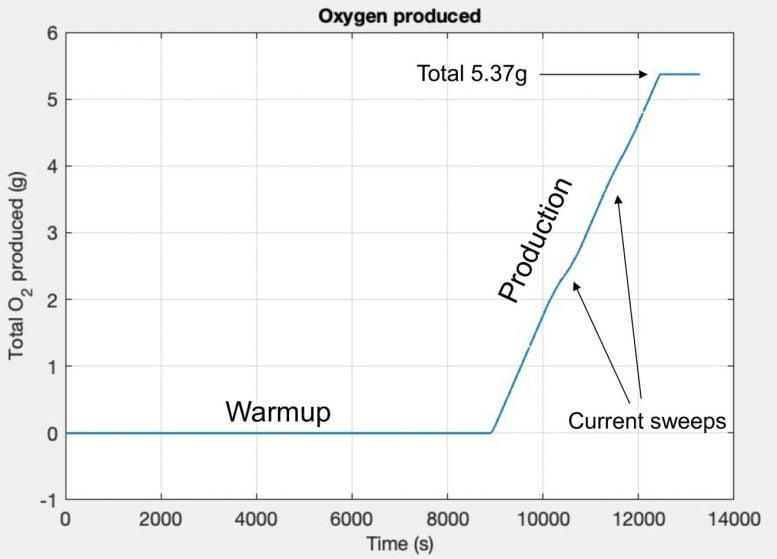
Mars Oxygen ISRU Experiment (MOXIE)—Preparing for human Mars exploration
It cycled 16 times during night and day with the pressure measure with temperature with timed duration for oxygen creation.
It does not run continuous but must cycle to make it not become damaged.
It has no storage tanks for the exiting gasses which will check values, pumps to pressure rise the amounts stored.
KBD512 pg 14 post gave a scaled up post in the Internal combustion engines for Mars which is theoretical as no vehicle has had it done to the engine. Tank size is dependent on how long you wish to use the fuel but also how much it can carry on its frame.
We also do not have a production rocket engines that I could find. Plus the rockets that we are using to get to its surface is a CH4+O2 engine.
Carbon Monoxide and Oxygen Combustion Experiments: A Demonstration of Mars In Situ Propellants
#730 Re: Human missions » Moxie and only Moxie Oxygen creation » 2025-12-21 18:18:06
Rather than using the electrical power we could use the Krusty reactor heat to do the job.
The KRUSTY (Kilopower Reactor Using Stirling TechnologY) reactor operated at a target core temperature of around 800°C (1472°F), reaching up to 880°C during testing, to generate about 4-5.5 kW of thermal power for space applications, demonstrating efficient fission power at relatively high temperatures for long-duration missions.
Key Temperatures & Operations:
Design Goal: Achieve steady-state operation at ~800°C (4 kW thermal).
Peak Test Temperature: Reached up to 880°C (1616°F) during the full-power run.
Warm Criticals: Pre-test experiments heated the core to 200°C, 300°C, and 450°C to study reactivity.
Control: Temperatures were adjusted by moving control rods, allowing for standby heat or shutdown.
Significance:
Demonstrated the Kilopower system's ability to operate reliably at high temperatures, crucial for space power.
Validated nuclear codes and material performance for potential long-term use in space
I did this equation back in the 1 m water topic.
MOXIE converts Martian CO2 into oxygen (O2) and carbon monoxide (CO) using solid oxide electrolysis, where roughly 2 moles of CO2 yield
1 mole of O2, meaning for every ~44 grams of CO2 consumed, MOXIE produces ~32 grams of O2, though its actual output is ~6-10 grams O2/hour from ~55 grams CO2/hour, with CO as a byproduct, not just pure O2 output.
MOXIE's Process & Ratios: Input: MOXIE takes in Martian atmosphere (95% CO2).Reaction: It uses electrolysis to split CO2 into Carbon Monoxide (CO) and Oxygen (O).
Output: Oxygen gas (O2) is collected, and Carbon Monoxide (CO) is released as a byproduct.
Stoichiometry: The balanced equation is roughly \(2CO_{2}\rightarrow 2CO+O_{2}\) (simplified for mass flow).
Mass Conversion (Theoretical): Molar Mass of \(CO_{2}\approx 44\) g/molMolar Mass of \(O_{2}\approx 32\) g/molFor every 44g of CO2, you get 32g of O2 (and 28g of CO).
This means for every 1 gram of O2 produced, about 1.375 grams of CO2 are needed (44/32).
MOXIE's Actual Performance: MOXIE aims for 6 grams of O2 per hour using about 55 grams of CO2 per hour.
This 55g CO2/hour input yields ~6g O2/hour output, which is roughly a 9:1 mass ratio of CO2 in to O2 out, reflecting the byproduct CO and operational inefficiencies.
In summary, it's not a direct 1:1 mass conversion; a larger mass of CO2 is consumed to produce a smaller mass of pure oxygen, with the rest becoming carbon monoxide
One cubic meter of Mars \(\text{CO}_{2}\) (assuming the general Martian atmosphere which is predominantly \(\text{CO}_{2}\) gas) is approximately 19 grams (0.019 kg), though the exact value varies with location and season on Mars.
#731 Re: Exploration to Settlement Creation » Re-purposing Moxie for Co + O2 Fuel » 2025-12-21 18:03:18
Moxie used just 300 Watts to do this experiment from the radioactive generator.. The system while it may scale does not mean that its going to process even when fully tested here on Earth.
The Co is only part of a fuel as it needs an oxidizer to make it useful.
The equation for converting CO₂ to O₂ and CO involves the decomposition of carbon dioxide, often requiring energy, and the balanced form for producing both is complex, but for simple decomposition into solid carbon and oxygen, it's \(2CO_{2}(g)\rightarrow 2C(s)+2O_{2}(g)\) (or simplified \(CO_{2}\rightarrow C+O_{2}\)), while the reverse, forming CO₂, is \(2CO+O_{2}\rightarrow 2CO_{2}\). For a reaction that yields both CO and O₂, it's a partial combustion of carbon, like \(2C+O_{2}\rightarrow 2CO\), or a mix, but you can have \(C+O_{2}\rightarrow CO+CO_{2}\) (which balances to \(2C+2O_{2}\rightarrow 2CO+CO_{2}\) or \(C+O_{2}\rightarrow CO+\frac{1}{2}O_{2}\) if you want CO + O₂). Key Reactions Complete Combustion (CO₂ Formation): \(2CO+O_{2}\rightarrow 2CO_{2}\) (Carbon monoxide + Oxygen \(\rightarrow \) Carbon dioxide).Partial Combustion (CO Formation): \(2C+O_{2}\rightarrow 2CO\) (Carbon + Oxygen \(\rightarrow \) Carbon Monoxide).Decomposition (CO₂ to C + O₂): \(2CO_{2}\rightarrow 2C+2O_{2}\) or \(CO_{2}\rightarrow C+O_{2}\) (Carbon dioxide \(\rightarrow \) Carbon + Oxygen).Mixed Products (From Carbon): \(2C+2O_{2}\rightarrow 2CO+CO_{2}\) (Carbon + Oxygen \(\rightarrow \) Carbon Monoxide + Carbon Dioxide). Balancing Example (CO₂ \(\rightarrow \) C + O₂) Unbalanced: \(CO_{2}\rightarrow C+O_{2}\) (1 C, 2 O on left; 1 C, 2 O on right - Wait, the O is split!).Balance Oxygen: You need 2 O on the right (from \(O_{2}\)) and 2 O on the left (from \(CO_{2}\)).Final Balanced (Simplest): \(CO_{2}\rightarrow C+O_{2}\) (This looks balanced but often needs coefficients for real-world application, like \(2CO_{2}\rightarrow 2C+2O_{2}\) to ensure whole numbers if you are breaking down multiple molecules). The specific equation depends on what you're starting with (CO or C) and what you want as products.
The balanced chemical equation for the decomposition of carbon dioxide (\(\text{CO}_{2}\)) into carbon monoxide (\(\text{CO}\)) and oxygen (\(\text{O}_{2}\)) is:
2CO[sub]2[/sub] → 2CO + O[sub]2[/sub]This equation can also be represented in BBCode format using HTML-like tags for subscript:
2CO[sub]2[/sub] -> 2CO + O[sub]2[/sub]
#732 Re: Human missions » Moxie and only Moxie Oxygen creation » 2025-12-21 15:52:49
Still waiting for updates but here is the test that was done on mars. MOXIE accomplishes this by sucking in Martian atmosphere, scrubbing out dust, and then compressing and heating it to almost 1,470°F (800°C). Inside the module, a solid oxide electrolyzer breaks down carbon dioxide molecules (CO₂) in to oxygen ions and carbon monoxide. The oxygen ions are recombined into O₂, quantified for purity, and discharged. The waste, carbon monoxide, is discharged back into the Martian atmosphere. Overall, MOXIE produced 122 grams of oxygen, enough for a small dog to breathe for 10 hours or a human for 4 hours. But it only produced 6 grams with a limitation of an hour, With hopes of getting to 14 grams.
Currently, a crew of four astronauts would require approximately 55,000 pounds (25 metric tons) of oxygen for rocket propellant, while only about one metric ton is needed for breathing over a full year on Mars.
update to get better runtime to output.
NASA's MOXIE experiment on the Perseverance rover produces oxygen by electrolyzing Martian CO2, with a typical run taking about 3.5 hours (2.5 hours warmup, 1 hour production) to generate roughly 6-10 grams per hour, enough for a small dog to breathe, exceeding initial goals by generating higher purity oxygen and scaling up production, proving technology for future human missions.
MOXIE Run Cycle Breakdown
Warmup: About 2.5 hours for the Solid Oxide Electrolyzer (SOXE) to reach ~800°C.
Production: Around 1 hour of active oxygen generation.
Total Cycle: Roughly 3.5 hours.Production Output & Goals
Rate: 6-10 grams of oxygen per hour (g/h) in its standard runs, later reaching up to 12 g/h.
Purity: Achieved high purity (98% or better).
Total: Generated over 122 grams by its mission's end.
Analogy: 6 g/h is like a modest Earth tree; 100 minutes of oxygen is enough for one astronaut for a short time.Key Achievements
Demonstrated oxygen production in various conditions (day/night, seasons).
Proved the viability of In-Situ Resource Utilization (ISRU) for human exploration.
Exceeded initial goals for production rate and purity, paving the way for scaled-up versions for future missions
Goal is continuous run not a cycled loop. So the above is not representing this information.
#733 Re: Exploration to Settlement Creation » WIKI Starship repurposed to make or build what we need » 2025-12-21 15:29:41
Starship's payload shroud, or bay, offers a massive volume of around 800-1000 cubic meters (m³), with a large 8-meter diameter and up to 22 meters in height for extended payloads, designed to deliver over 100 tons of cargo to Mars, enabling truly large-scale surface operations and habitats, far exceeding previous missions' capabilities.
Key Dimensions & Capacity:
Diameter: 8 meters (26 feet).
Usable Volume: Up to 1000 m³.
Height Options: Standard volume plus an extended option up to 22 meters (72 feet) for tall cargo.Cargo Mass to Mars: Over 100 metric tons (100,000 kg) in its reusable configuration, potentially up to 150 tons for LEO, making it a game-changer for Mars colonization.
What This Means for Mars Missions:
Large Hardware: The enormous volume allows for sending substantial components for habitats, pressurized rovers, and even entire small settlements, not just small scientific instruments.Autonomous Deployment: The bay is designed for autonomous cargo deployment, meaning Starship can deliver supplies and infrastructure without needing a human crew on board for the initial missions.
Game-Changing Scale: This capacity is orders of magnitude greater than previous Mars landers, allowing for the transport of materials for sustainable human presence, from building supplies to massive power systems
#734 Re: Human missions » Why Artemis is “better” than Apollo. » 2025-12-21 12:19:43
Artemis III pressure and the threat to SpaceX
all about meeting the lunar manned mission date.
#735 Re: Human missions » Blue Origin » 2025-12-21 12:14:48
Blue Origin's historic flight on December 20, 2025, marked the first time a person using a wheelchair was successfully launched into space and returned safely. Michaela "Michi" Benthaus, an aerospace engineer at the European Space Agency, became the first wheelchair user to reach the Kármán line, the internationally recognized boundary of space. The mission lasted about 10 minutes, during which Benthaus experienced several minutes of weightlessness. The launch was conducted from Blue Origin's West Texas site, and the capsule was designed with accessibility in mind, requiring only minor modifications to accommodate Benthaus. The successful flight by Blue Origin demonstrates the company's commitment to promoting disability inclusion in human space exploration.
#736 Re: Exploration to Settlement Creation » A City Rises on the Plain... » 2025-12-21 11:39:58
I do not know if this will work but here is the facebook page.
First Congregational Church of Farmington NH
The page does have the internal roof support beams going into the brick column supports.
#737 Re: Science, Technology, and Astronomy » Architectural Engineering on Mars » 2025-12-21 07:49:59
Parts of What we need to go to Mars - short term projects some of which applies to exploration as well as for building.
#738 Re: Exploration to Settlement Creation » WIKI Lighting use How and why things are not simple » 2025-12-21 07:43:54
Not all crops will be done in hydroponic growth systems as some will desire being grown in soil.
Mars Soil Factory
#739 Re: Meta New Mars » Housekeeping » 2025-12-20 20:01:06
I saw that the images gave the smooth thoughts for using epoxy to make them adhere to each other. I would use these for the inside of the dome once its sealed and heated so that we could control the curing process. The interlaced blocks would allow for building the dome and then berm before allowing more construction within it.
#740 Re: Exploration to Settlement Creation » Mars Colony Cement & Concrete » 2025-12-20 18:58:24
For in situ (on-site) brick mortar on Mars, scientists developed StarCrete, a strong, starch-based biocomposite using Martian dust (regolith) and potato starch as a binder, mixed with a little salt for enhanced strength, creating materials stronger than Earth concrete, ideal for building habitats with minimal imported materials. This method uses local resources (dust, starch from food) for cost-effective, sustainable construction, producing bricks that can be made in a microwave at home-baking temperatures.
How StarCrete Works
Ingredients: Martian regolith (simulated dust), potato starch, and salt (like magnesium chloride found on Mars).
Process: Mix the starch and salt with the regolith to form a gelatinous binder, then compress into molds and heat (like in a microwave) to create strong bricks.
Strength: Martian StarCrete boasts compressive strengths of about 72 MPa, more than double ordinary concrete (around 32 MPa).
Key Advantages
In-Situ Resource Utilization (ISRU): Uses readily available Martian dust and starch from food, drastically cutting down on expensive Earth launches.
Simplicity: Can be produced with relatively low energy (home baking temperatures), unlike traditional concrete.
Resourcefulness: Starch is a food source, making it a practical, dual-purpose material.
Alternative Binders: While starch works well, researchers also explored human waste (urea from urine/sweat) as a binder, showing high strength but with potential practicality issues compared to starch.
Application for Mars
This "cosmic concrete" provides a pathway to build essential infrastructure—habitats, roads, shelters—using what's already on Mars, making long-term colonization more feasible and sustainable
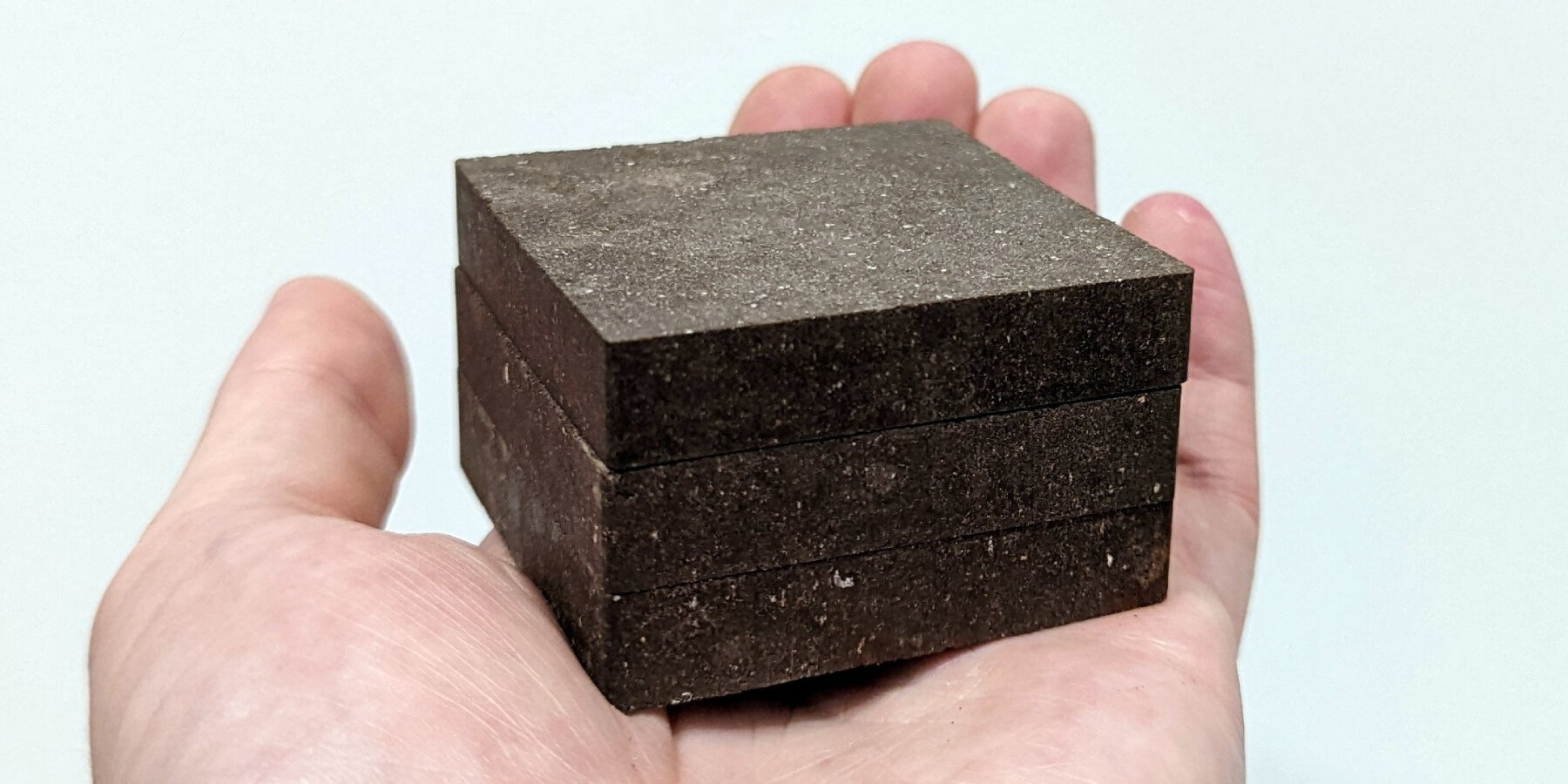
'cosmic concrete' made from potato chips, salt, and dust can be used to build homes on mars
StarCrete: Materials Scientists Create Starch-Based Concrete for Extraterrestrial Construction

When tested, StarCrete had a compressive strength of 72 Megapascals (MPa), which is over twice as strong as the 32 MPa seen in ordinary concrete.
StarCrete made from the lunar dust was even stronger at over 91 MPa.
The researchers calculated that a sack (25 Kg) of dehydrated potatoes (crisps) contain enough starch to produce almost half a ton of StarCrete, which is equivalent to over 213 brick’s worth of material. For comparison, a 3-bedroom house takes roughly 7,500 bricks to build.
Additionally, they discovered that a common salt, magnesium chloride, obtainable from the Martian surface or from the tears of astronauts, significantly improved the strength of StarCrete.
The next stages of this project are to translate StarCrete from the lab to application.
StarCrete: A starch-based biocomposite for off-world construction
#741 Re: Exploration to Settlement Creation » Iron and Steel on Mars » 2025-12-20 17:14:02
Yes, smelting iron ore (regolith) on Mars to make girders for dome supports is a viable concept, with recent research showing scientists can extract pure iron and iron alloys from simulated Martian soil using Mars-like conditions (low pressure, high heat), making in-situ resource utilization (ISRU) possible for building habitats, though domes themselves face tension challenges requiring strong materials like steel.
The Process:
Extracting Iron: Researchers heat Martian regolith simulant (like that from Gale Crater) in a furnace simulating Mars's low atmospheric pressure.
Smelting: At around 1000°C, pure iron forms; at 1400°C, liquid iron-silicon alloys are produced, similar to Earth's processes but optimized for Mars.
Refining: This metal can then be separated from slag and potentially used to create steel or other structural components.
Why It Matters for Domes & Girders:
Reduces Earth Reliance: Instead of shipping massive amounts of steel, future colonists can "live off the land" (ISRU).
Structural Strength: Martian domes, pressurized by internal air, are under tension (trying to tear themselves apart) and need strong materials like steel for reinforcement, making locally produced girders crucial.
Key Takeaway: This technology moves beyond just oxygen production (like NASA's MOXIE) to creating essential building materials, making self-sufficient Martian colonies more feasible
Making iron girders on Mars for dome support involves In-Situ Resource Utilization (ISRU), requiring specialized equipment like furnaces (maybe electric or solar-powered), systems to extract iron from regolith (dirt), a carbon source (from CO2), and technologies for refining and shaping into beams, likely using methods like additive manufacturing (3D printing) or casting, all while managing extreme Martian conditions. Key steps include ore processing, reduction (removing oxygen), alloying for strength, and fabrication into structural components.
Required Processes & Equipment
Regolith Processing & Mining:
Equipment: Rovers with drills, excavators, and material handlers to collect iron-rich regolith (Martian dirt).
Process: Separation of iron-bearing minerals from silica and other materials.
Iron Extraction (Smelting/Reduction):
Carbothermic Reduction: Heating the ore with a carbon source (from Martian CO2) in a furnace to produce molten iron.
Hydrogen Reduction: Using hydrogen (produced on Mars) as a reducing agent.
Molten Regolith Electrolysis: An alternative method.
Equipment: High-temperature furnaces (possibly solar-powered or electric), systems to generate reducing agents (C, H).
Technology: The MMOST (Moon to Mars Oxygen and Steel) system is a NASA-backed concept for this.
Steelmaking & Alloying:
Process: Adding specific elements (like silicon, manganese, chromium) to the iron to create strong steel suitable for construction.
Equipment: Alloying furnaces, refining vessels.
Fabrication (Making Girders):
Additive Manufacturing (3D Printing): Printing complex shapes like girders directly from metal powder or molten metal.
Casting: Pouring molten steel into molds.
Machining: Shaping hardened steel components.
Equipment: Industrial 3D printers, casting molds, robotic arms.
Energy & Infrastructure:
Solar Arrays/Nuclear Power: To provide the immense energy needed for heating and processing.
Habitats & Workshops: Pressurized environments for equipment and personnel.
Key Martian Advantages/Challenges
Abundant Iron: Iron oxides are common in Martian regolith.
Atmosphere: The CO2 atmosphere provides carbon for steelmaking.
Low Oxygen/Water: Less rust/corrosion on finished steel.
Challenges: Low atmospheric pressure, extreme temperatures, and the need to transport initial complex equipment from Earth.
#742 Re: Exploration to Settlement Creation » WIKI Project construction design meaning for insitu materials » 2025-12-20 16:53:45
The concept of 3-axis interlocking bricks for building structures like parabolic domes on Mars is an active area of research within extraterrestrial construction, focusing on using local resources (regolith) and robotic assembly.
Key Research & Design Concepts
Interlocking Design: The primary goal of interlocking bricks is to create strong, form-fitting, and compression-dominated structures without relying heavily on traditional Earth-based mortars or adhesives, which are problematic in Mars's thin atmosphere. The wedging action of correctly shaped blocks provides stability.
3-Way Interlocking Units: Architectural and engineering research has explored using "3-way interlocking units" or "universal joints" to map non-planar, complex geometries like hemispherical or parabolic domes. These designs maximize surface contact and prevent horizontal movement, often involving complex computational design (CAD) and robotic fabrication processes (like multi-axis CNC or 3D printing with robotic arms) to achieve the precise, varied angles required for a curved surface.
Material Sourcing (ISRU): To minimize materials shipped from Earth, researchers use Martian regolith simulants to create "space bricks". Methods include:
Compression: Applying high pressure to iron-oxide-rich Martian simulant causes the nanoparticles to bind, forming solid bricks without any additional binders.
Biopolymers: Using synthetic living materials (like cyanobacteria and fungi) to "glue" regolith particles together into building blocks.
3D Printing/Sintering: Using high-powered lasers or a binding agent (such as sulfur cement) to fuse regolith layers, often employing 3-axis or 4-axis Cartesian robots to print specific material paths.
Specific Project Examples
TESSERAE Tiles: Research at MIT has focused on self-assembling tiles called TESSERAE, which use embedded magnets and specifically beveled faces to automatically assemble into complex shapes, such as a "buckyball" or dome structure, in microgravity or a controlled environment.
NASA 3D Printed Habitats: NASA has sponsored competitions and research into large-scale additive manufacturing (3D printing) of entire habitats using Martian regolith materials, often resulting in dome or vault designs (e.g., the Mars Dune Alpha habitat).
The creation of actual physical 3-axis interlocking "pieces" is generally part of specialized academic research and robotic fabrication workflows, not commercially available products in the traditional sense, as the geometry is highly specific to the intended dome's exact curvature and size
3-way Interlocking Units on Hemispherical Dome Surface
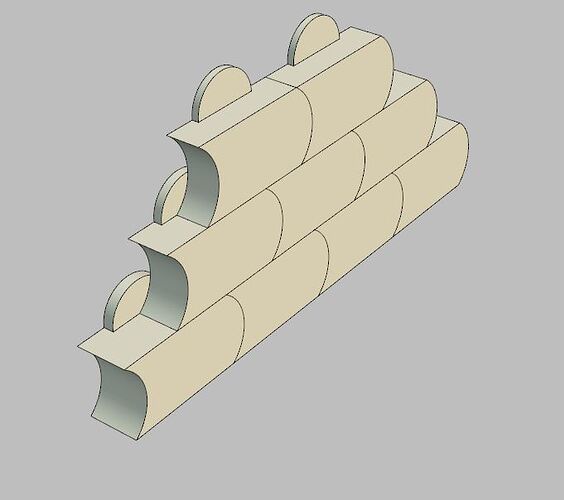
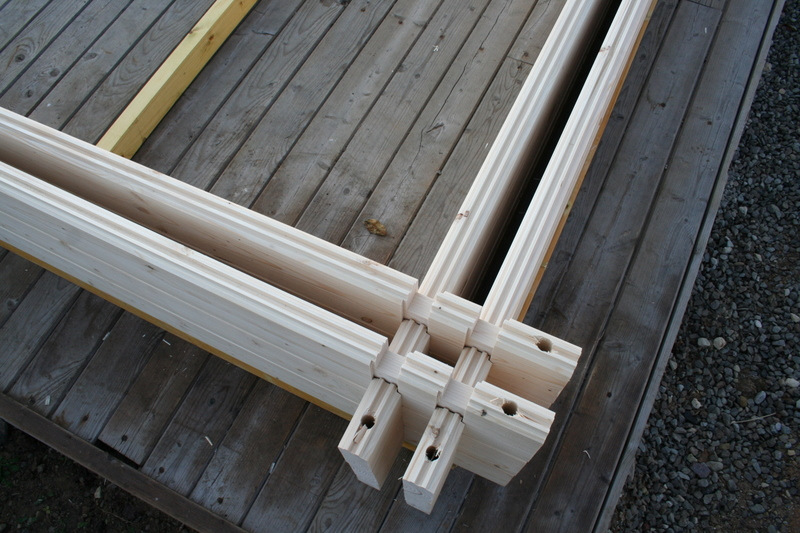
Sort of like a tongue and grove but not only the top an bottom but also the ends of the block sized brick.
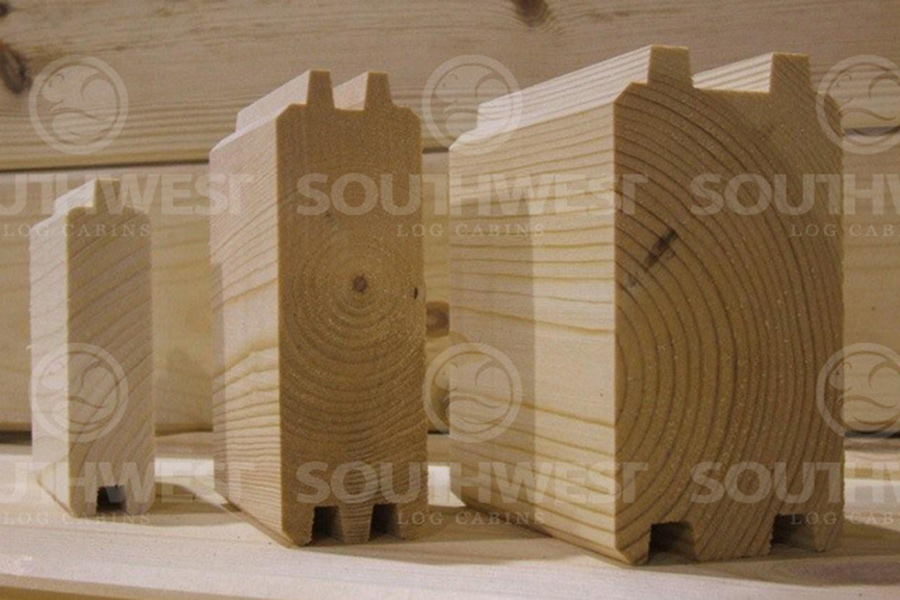
prefabbed log cabin wall
Dome would be double walled and have insulation for the inner space between the block or brick that we use.
#743 Re: Exploration to Settlement Creation » A City Rises on the Plain... » 2025-12-20 10:33:39
I was about town today and looked at the brick structures that I have to view the methods employed in construction.
the brace build outs are part of its thick wall construction. which have granite corner footing stone and angled head toppers as well.

The other buildings with in the area are only 3 stories high.
#744 Re: Meta New Mars » Housekeeping » 2025-12-20 10:20:41
Also the rocket system that supplies must be logical in mass management of items that are required to give the build up of equipment, resources and more for the construction to even begin for a manned sustained presence.
#745 Re: Science, Technology, and Astronomy » Architectural Engineering on Mars » 2025-12-19 18:04:45
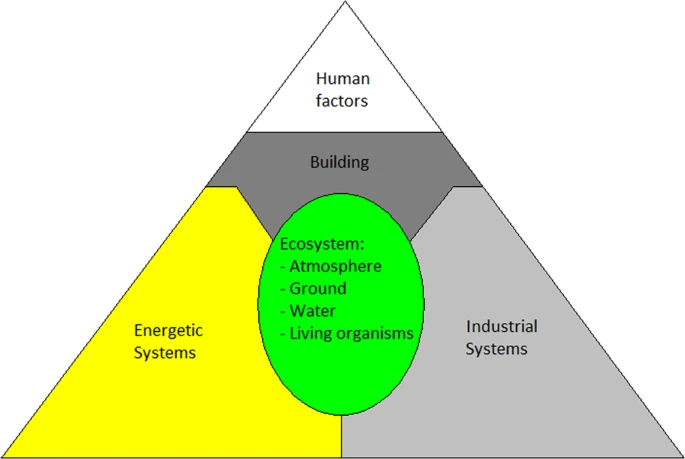
A Mars habitat mission requires robust life support (air, water, power), radiation shielding, extreme thermal control, and durable structures to withstand Mars' harsh environment, plus systems for food, waste, communication, and medical care; crew needs include psychological resilience, STEM skills, and physical fitness, as seen in NASA's simulations focusing on teamwork, resource limits, and isolation challenges to prepare for long-duration stays and self-sufficiency.
Key Habitat & System Requirements
Life Support: Closed-loop systems for air (CO2 scrubbing, oxygen generation) and water recycling, plus reliable power (solar, nuclear) for continuous operation.
Structure: Must handle extreme cold (avg. -62°C), low atmospheric pressure, dust, and significant internal pressure forces (over 2,000 psf).
Resources: In-situ resource utilization (ISRU) for water/fuel, food production (hydroponics), and efficient waste management.
Protection: Shielding against cosmic and solar radiation, dust mitigation systems, and robust thermal control.
Interfaces: Commonality with other vehicles (rovers, landers) for power, data, and crew transfer.
Crew & Operational Requirements (NASA Analog Missions)
Crew Profile: Healthy, motivated US citizens/residents (ages 30-55), non-smokers, with STEM Master's degrees or equivalent experience, and strong teamwork/problem-solving skills.
Psychological Health: Focus on managing isolation, confinement, interdependence, communication delays, and developing strong interpersonal skills.
Operations: Simulate realistic stressors like equipment failures, resource limitations, and communication blackouts for long durations (e.g., ~378 days).
Mission Class & Duration
Opposition Class: Shorter stays (e.g., 30 days at Mars) with Venus flyby.
Conjunction Class: Longer stays (e.g., 500+ days at Mars) due to orbital mechanics, requiring more self-sufficiency
Moon to Mars (M2M) Habitation Considerations
What's the Bare Minimum Number of People for a Mars Habitat?
Minimum Acceptable Net Habitable Volume for Long‐Duration Exploration Missions
Sustaining Human Presence on Mars Using ISRU and a Reusable Lander
#746 Re: Exploration to Settlement Creation » WIKI Constructing things on Mars equipment needs » 2025-12-18 18:35:28
Basalt Crushing Plant: Process, Machines, and Price
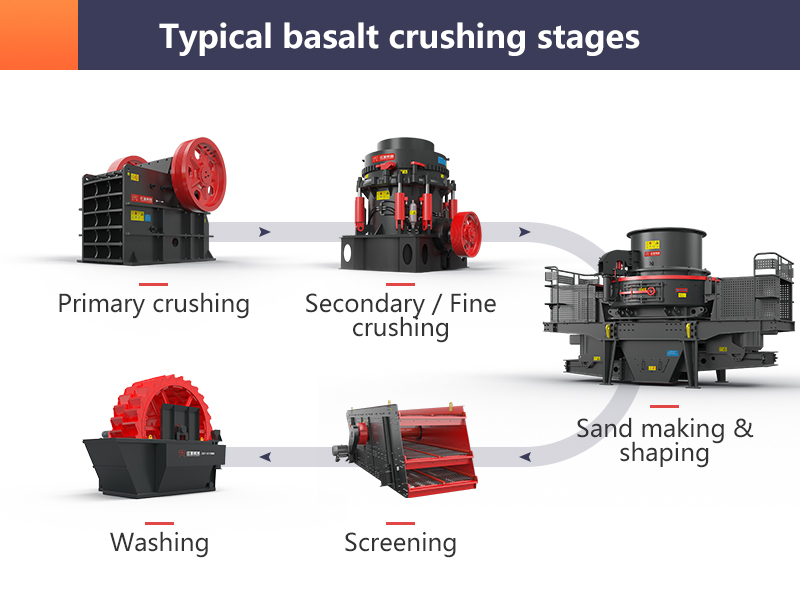
Final product sizes and applications
0–5 mm: Manufactured sand for concrete, dry-mix mortar, asphalt mix
5–10 mm: High-grade road base, permeable concrete
10–20 mm: Municipal projects, ready-mix concrete plants
20–31.5 mm: Railway ballast, highway base, mass concrete
>31.5 mm: Returned for re-crushing to ensure proper gradation
#747 Re: Human missions » Humidity Moisture Habitat Air Management » 2025-12-18 15:50:07
if the top of the dome inside contains the inlet for the air heat to enter and a fan pushes that heat away towards the cold radiator tubing and once it exits it the air exits at the base of the dome we have the loop that is the way to go. Attachment point are to the building structures for the most part rather than connection to the dome itself.
This is not a ceiling fan but a duct fan that pulls the air from the top of the dome into the vent system to send it to the cooling exchanger.
Ceiling fan AI response.
For a structure with a 200 m (656 ft) diameter and 120 m (394 ft) tall parabolic dome, standard High-Volume, Low-Speed (HVLS) ceiling fans, typically with diameters up to 7.3 meters (24 feet), would be used in a calculated array to provide effective air circulation. Multiple fans, rather than a single massive fan, are required due to the immense size of the space.
Step 1: Calculate the Floor Area and Assess Fan Coverage The floor area of the dome is a circle with a radius of 100 m:\(\text{Area}=\pi \times \text{radius}^{2}=\pi \times 100^{2}\approx 31,416\,\text{m}^{2}\,(338,166\,\text{ft}^{2})\)A single large HVLS fan (e.g., 7.3 m diameter) typically covers between 900 and 1,500 square meters. For cooling purposes, the coverage area is roughly five times the fan's diameter for large-blade fans, but for destratification (air mixing in very high spaces), it can be up to ten times.
Step 2: Determine the Number and Placement of Fans Given the vast area, an array of fans is necessary. The general guideline is to space fans a distance equal to at least one fan diameter apart, or up to three times the diameter depending on the manufacturer and application. For consistent coverage, a grid pattern is ideal. For such a massive, open space, consulting with an HVLS expert for a custom layout drawing is crucial. The number of 7.3-meter (24-foot) fans could range from 21 to over 30 to cover the entire area effectively, depending on specific airflow requirements and building obstructions.
Step 3: Consider Ceiling Height and Fan Mounting The 120 m (394 ft) ceiling is extremely high. While fans perform well when mounted between 6 and 12 meters (20 to 40 feet) above the floor, longer downrods might be needed to position the fans within the occupied zone for optimal air movement. The fans must also maintain safe clearance from the floor (at least 3 m or 10 ft) and other structural elements.
Answer: For a parabolic dome ceiling with a 200 m diameter and 120 m height, multiple HVLS fans with diameters typically ranging from 6.1 meters to 7.3 meters (20 to 24 feet) would be required. The exact number and strategic placement of fans, likely exceeding two dozen units, should be determined through a professional airflow study to ensure uniform air circulation and temperature control
Commercial 7m (7-meter) fans refer to large industrial fans, often HVLS (High-Volume, Low-Speed) ceiling fans, used for cooling vast spaces like warehouses, factories, malls, and arenas, providing massive airflow (measured in CFM) for comfort and energy efficiency in huge commercial areas. You'll find them as massive ceiling units or powerful pedestal/wall-mounted fans designed for serious air movement, not typical home use, with high CFM ratings (thousands) for effective cooling.
Key Characteristics:
Size & Type: Look for HVLS fans (often 7 feet or more in diameter) or large pedestal/wall fans, not standard residential ceiling fans.
Airflow (CFM): Measured in Cubic Feet per Minute; higher CFM means more air moved, crucial for large spaces (e.g., 7000+ CFM is common).
Applications: Warehouses, factories, gyms, shopping centers, agricultural buildings, and large event spaces.
Benefits: Better air circulation, reduced heat, improved comfort, and energy savings over traditional AC in large buildings.
Where to Find Them:
Home Improvement Stores: The Home Depot offers large industrial ceiling fans.
Online Marketplaces: Alibaba.com has many manufacturers for 7m industrial fans.
Specialty Retailers: Amazon.com (for large pedestal/wall fans) and industrial fan suppliers.
When searching, use terms like "HVLS fan," "industrial ceiling fan," "large commercial fan," or specify CFM and diameter (like 7ft or 7m) for best results
#748 Re: Exploration to Settlement Creation » WIKI Lighting use How and why things are not simple » 2025-12-18 15:30:13
Insulation for mars has similarities to basements in the north. The concrete walls are insulated with close cell foam on both sides of the cellar. The depth of the foam is R15 or 4" thick so as to get soil temperature isolated from the frozen ground that happens in deep winter.
Open basalt insulation would need to be inside 2 brick wall assemblies and the distance between them is over 16" to get to R49 or better.
The depth of the regolith berm is close to this but is not isolating but conductive to the surface air temperatures.
#749 Re: Meta New Mars » Housekeeping » 2025-12-18 15:23:22
The issue is we have not delivered the cargo to do the mining, processing or smelting of the ore to even think about using metal beams as part of dome structure. Solving that as I started to do means you have a plan for what is required.
Boring plus Drilling tech, 3D printing insitu and Tunneling equipment
#750 Re: Exploration to Settlement Creation » WIKI Constructing things on Mars equipment needs » 2025-12-18 15:23:08
Need radar sub surface viewing for what is beneath the surface. To detect large rocks and depth to bedrock or underground voids.
3D printing of dome-shaped habitats on Mars using basalt-based materials is a leading area of research for in-situ construction. This approach leverages the abundant basaltic rock and regolith found on the Martian surface to create a structurally sound, radiation-shielding building material, eliminating the need to transport heavy materials from Earth.
Construction Techniques
The primary method involves additive manufacturing (3D printing) using robotic systems deployed autonomously before human arrival.
Material Acquisition and Processing: Robots collect basalt rocks and regolith (crushed rock and dust) and process them into a usable feedstock. One method involves melting the basalt in a furnace and pulling it into fibers, which are then combined with a binder.
Binding Agents: To create a cohesive, printable "ink," the basalt material is often mixed with a binder. In various NASA challenges, teams have experimented with:
Polymer composites: Combining basalt fibers with polylactic acid (PLA) or other recyclable plastics, which can potentially be synthesized from plants grown on Mars.
Geopolymers/Cements: Using fast-setting metakaolin geopolymer cement formulations.
Printing Process: The material is extruded layer by layer by a gantry-style or robotic arm printer, building the habitat from the ground up. The dome shape itself is a functional design choice, as the curved walls help to withstand the significant pressure difference between the internal human-habitable atmosphere and the near-vacuum Martian environment.
Advantages of Basalt for Mars Habitats
Radiation Shielding: Cooled basalt has a high density, which provides superior protection from electromagnetic space radiation and micrometeorites compared to more porous materials.
Structural Integrity: Basalt fiber-reinforced composites can be several times stronger than traditional concrete, providing robust structural elements.
Thermal Regulation: The material has a low coefficient of thermal expansion, advantageous for the extreme temperature swings on Mars.
Airtight Seal: Basalt's low permeability makes it suitable for forming the necessary hermetic seal to maintain a pressurized, life-supporting internal atmosphere.
Current Status and Research
Research has largely been driven by competitions like the NASA 3D-Printed Habitat Challenge. While material processing and 3D printing techniques have been successfully demonstrated using Martian regolith simulants on Earth, the practical challenge of establishing the energy-intensive processing equipment (like high-temperature furnaces) on Mars remains a significant engineering hurdle.
Additive Construction using Basalt Regolith Fines
Mars X-House: Design Principles for an Autonomously 3D
THREE DIMENSIONAL (3D) PRINTED HABITAT, PHASE 3
Basalt is a very hard, abrasive rock, so its processing for 3D printing requires robust, industrial-grade crushing and grinding machinery to produce the necessary fine powder or granule sizes. Typical crushing sequences involve multiple stages of specialized equipment, rather than a single machine.
Equipment for Basalt Crushing
A multi-stage process is typically used to break down large basalt rock into fine powder or granules suitable for applications such as fiber production or as an aggregate in 3D printed concrete.
Primary Crushing: Jaw Crushers
Purpose: The first stage of size reduction for large, raw basalt pieces.
Description: Jaw crushers are built strong with a deep crushing chamber to handle large, tough lumps of rock effectively, reducing them to sizes manageable by the next stage (e.g., from a meter down to a few inches).
Secondary/Tertiary Crushing: Cone Crushers or Impact Crushers
Purpose: To further reduce the basalt to a more uniform, smaller aggregate size (e.g., down to 0-40mm).
Description:
Cone crushers are highly recommended for hard, abrasive materials like basalt due to their durability and efficiency in producing a uniform, cubic product with lower wear rates than impact crushers.
Impact crushers can also be used, especially for shaping the material into a cubical form, but they tend to experience higher wear when processing hard basalt.
Fine Grinding (Milling): Ball Mills or Vertical Roller Mills
Purpose: To achieve the fine, micron-level powder needed for specialized 3D printing material composites, fillers, or fiber production.
Description: These machines use balls or high pressure to pulverize the basalt into the extremely fine particles required for additive manufacturing processes.
Screening and Classifying Equipment
Purpose: To sort the crushed material by size and ensure the final product meets the required specifications for 3D printing projects.
Description: Vibrating screens are used after each crushing stage to separate the desired product sizes from oversized material, which is then recirculated for further crushing. Air classifiers or washers may also be used to remove impurities and achieve specific material properties.
Considerations for 3D Printing Projects
Particle Size and Shape: 3D printing requires a consistent and specific particle size distribution (PSD). The equipment used must be able to produce material within narrow tolerances.
Material Abrasiveness: Basalt is highly abrasive, with a Mohs hardness of 5-9. Equipment must have heavy-duty construction and wear-resistant liners (e.g., tungsten carbide components) to withstand the wear and tear.
Scale: For hobbyist or small-scale projects, small-scale jaw crushers might be available, though they are primarily industrial machines. For industrial 3D printing applications (e.g., large-scale additive construction using basalt-based concrete), a full production line is required.
Companies like Rubble Master, Zoneding Machine, and FTM Machinery manufacture industrial basalt processing equipment, and platforms like Alibaba.com list a variety of crushers and mills